












Footprints to Recovery Addiction Treatment Centers
1
Top 10 Rehab Centers In Centennial



















































































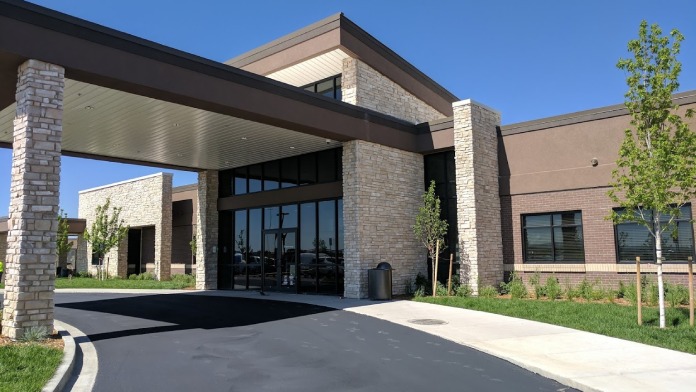
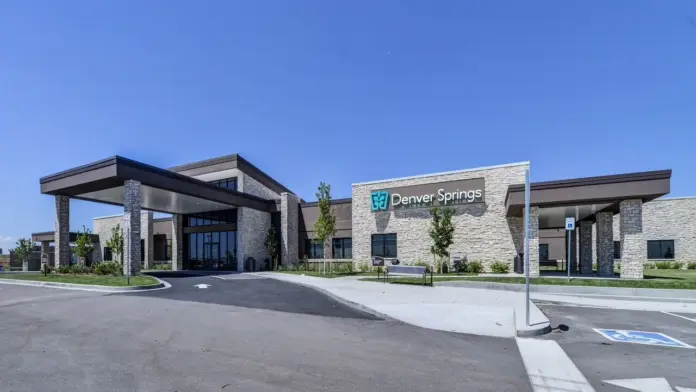
When seeking services at Denver Springs, you have the option to call ahead of time to complete an assessment and they accept walk-ins. During the assessment, you will work with a social worker to have a better understanding of where you are and what you are looking for in regards to the help you need. They’ll help you connect to the level of care that will be most beneficial for you.
This facility offers a Help for Heroes program designed specifically for military personnel, healthcare workers, veterans and first responders. This program helps combat addiction and mental health disorders by providing a safe environment for you to get the help you need. They will also help with medication management and issues like PTSD. They offer both individual and group therapy so you can get the support, accountability, and help you need. They’ll also show you how to incorporate holistic therapeutic approaches to deal with day to day life.
Their outpatient services offer a little more flexibility than their PHP or inpatient programs. More often than not, once you complete treatment and begin to adjust to everyday life while maintaining commitments and responsibilities, finding time for inner healing can be a challenge. Their telehealth outpatient program helps you still get the care you need from the privacy of your own home while still maintaining your weekly schedule.

 Our Methodology




Private insurance refers to any kind of healthcare coverage that isn't from the state or federal government. This includes individual and family plans offered by an employer or purchased from the Insurance Marketplace. Every plan will have different requirements and out of pocket costs so be sure to get the full details before you start treatment.
Self-pay involves paying for treatment out of your own pocket. You can use savings or credit, get a personal loan, or receive help from family and friends to fund your treatment. If you don't have insurance or your insurance plan doesn't cover a specific program, self-pay can help ensure you still get the care you need.
Financial aid can take many forms. Centers may have grants or scholarships available to clients who meet eligibility requirements. Programs that receive SAMHSA grants may have financial aid available for those who need treatment as well. Grants and scholarships can help you pai for treatment without having to repay.
Medicare is a federal program that provides health insurance for those 65 and older. It also serves people under 65 with chronic and disabling health challenges. To use Medicare for addiction treatment you need to find a program that accepts Medicare and is in network with your plan. Out of pocket costs and preauthorization requirements vary, so always check with your provider.
Medicaid is a state based program that helps lower-income individuals and families pay for healthcare. Medicaid covers addiction treatment so those enrolled can use their coverage to pay for rehab. When a program accepts Medicaid the client often pays very little or nothing out of their own pocket.
Military members, veterans, and eligible dependents have access to specific insurance programs that help them get the care they need. TRICARE and VA insurance can help you access low cost or no cost addiction and mental health treatment. Programs that accept military insurance often have targeted treatment focused on the unique challenges military members, veterans, and their families face.
Outpatient Programs (OP) are for those seeking mental rehab or drug rehab, but who also stay at home every night. The main difference between outpatient treatment (OP) and intensive outpatient treatment (IOP) lies in the amount of hours the patient spends at the facility. Most of the time an outpatient program is designed for someone who has completed an inpatient stay and is looking to continue their growth in recovery. Outpatient is not meant to be the starting point, it is commonly referred to as aftercare.
Residential treatment programs are those that offer housing and meals in addition to substance abuse treatment. Rehab facilities that offer residential treatment allow patients to focus solely on recovery, in an environment totally separate from their lives. Some rehab centers specialize in short-term residential treatment (a few days to a week or two), while others solely provide treatment on a long-term basis (several weeks to months). Some offer both, and tailor treatment to the patient's individual requirements.
Clients receiving care in an intensive outpatient program (IOP) engage in a minimum of nine hours of treatment per week on average. However, many intensive outpatient rehabs offer up to 20 therapeutic hours weekly. IOP services are ideal for those in early recovery or who are at an elevated risk of relapse. IOP may be chosen in lieu of inpatient rehab. Treatment modalities typically include psychotherapy, life skills training, medication assisted treatment (MAT), and holistic care.
A partial hospitalization program (PHP) is a short-term form of intensive rehab, usually for those with acute symptoms that are hard to manage but don’t require 24-hour care. PHPs have structured programming (i.e. individual and/or group therapy), and usually meet 3-5 days a week for around 6 hours (i.e. 9am-3m). Some PHPs are residential (patients sleep on site) and some are not, so patients sleep at home. PHPs can last from 1-6 months, and some offer transportation and meals.
Drug and alcohol addiction often takes a heavy toll on one's body. Over time, a physical dependence can develop, meaning the body physiologically needs the substance to function. Detox is the process of removing drugs and/or alcohol from the body, a process that can be lethal if mismanaged. Medical detox is done by licensed medical professionals who monitor vital signs and keep you safe, healthy, and as comfortable as possible as you go through detox and withdrawal. The length of stay at the detoxification program is determined according to the specific needs of the patient.
Detox can be dangerous if not properly supervised, making 24-hour clinical care in Colorado an essential tool in the recovery process. The constant monitoring by medical professionals helps individuals through critical stages of recovery. Medical professionals and addiction specialists are available 24/7 to provide medications that ease withdrawal symptoms and to treat any other issues that arise.
A combined mental health and substance abuse rehab has the staff and resources available to handle individuals with both mental health and substance abuse issues. It can be challenging to determine where a specific symptom stems from (a mental health issue or an issue related to substance abuse), so mental health and substance abuse professionals are helpful in detangling symptoms and keeping treatment on track.
Alcoholism is defined as a physical dependence on alcohol. In this state, the body experiences withdrawal symptoms in the absence of alcohol. Over time, a person with alcohol use disorder also must drink greater amounts of alcohol to achieve the same effects. To overcome alcohol use disorder, alcohol rehab in Colorado is usually necessary, a process which includes supervised medical detox. This is followed by intensive rehab, then a maintenance program that may include 12-step support.
Professional services are often necessary to recover from addiction. Drug rehab in Colorado provides the expert services needed to address the complex issues of addiction and help individuals start their recovery journey.
 Mental Health And Substance Abuse
Adult rehab programs include therapies tailored to each client's specific needs, goals, and recovery progress. They are tailored to the specific challenges adult clients may face, including family and work pressures and commitments. From inpatient and residential treatment to various levels of outpatient services, there are many options available. Some facilities also help adults work through co-occurring conditions, like anxiety, that can accompany addiction.
Young adulthood can be an exciting, yet difficult, time of transition. Individuals in their late teens to mid-20s face unique stressors related to school, jobs, families, and social circles, which can lead to a rise in substance use. Rehab centers with dedicated young adult programs will include activities and amenities that cater to this age group, with an emphasis on specialized counseling, peer socialization, and ongoing aftercare.
Serving in the military is both mentally and physically challenging, and can result in trauma that persists even after combat ends. Military programs are tailored to the specific and often complex needs of active duty personnel, veterans, and military families. Clients often access these programs through the U.S. Department of Veterans Affairs (VA).
The providers who specialize in the children's rehab space understand the specialized needs that this population faces. School-based and social services such as tutoring and family counseling are often central to treatment. Child programs may also address the needs of youth experiencing substance abuse in the home, including a parent's or sibling's addiction.
The main principle of cognitive behavioral therapy (CBT) in Colorado is that substance use disorders are based on faulty thinking and behavior patterns. The goal of this treatment is to help the individual learn better ways of coping with challenges, which will lead to changes in thinking and behavior.
Dialectical behavior therapy is skills based and present oriented. You'll be asked to keep a diary of emotions and related behaviors and practice the skills you've been learning between sessions. The focus of skills development is on mindfulness, distress tolerance, emotion regulation, and interpersonal effectiveness.
Group therapy in Colorado offers you a platform to share your stories about drug addiction and co occurring mental health conditions. You'll receive encouragement and empathy from peers who understand your journey, fostering a sense of community and belonging.
In individual therapy, a patient meets one-on-one with a trained psychologist or counselor. Therapy is a pivotal part of effective substance abuse treatment, as it often covers root causes of addiction, including challenges faced by the patient in their social, family, and work/school life.
Trauma therapy addresses traumatic incidents from a client's past that are likely affecting their present-day experience. Trauma is often one of the primary triggers and potential causes of addiction, and can stem from child sexual abuse, domestic violence, having a parent with a mental illness, losing one or both parents at a young age, teenage or adult sexual assault, or any number of other factors. The purpose of trauma therapy is to allow a patient to process trauma and move through and past it, with the help of trained and compassionate mental health professionals.
Based on the couple's needs, couples therapy may take different forms. Your therapist will probably take an integrated approach, using techniques from several methods such as cognitive behavioral therapy and psychodynamic couple's therapy. The goal is to work through challenges and strengthen your relationship.
During family therapy sessions, family members in Colorado work with therapists to understand addiction as a disease that has affected the entire family. This approach fosters empathy and reduces blame on any one member. Promoting this collective effort helps to support the recovery process.
Addiction therapy uses recreation to provide structured activities that replace substance use with positive experiences. For example, swimming, cooking classes, and hiking trips encourage social interaction and improve physical health and emotional stability. This helps you rebuild your life without relying on drugs or alcohol.
Creative arts therapy can take place in individual or group sessions. It may include reading poetry, journaling, making videos, or scrapbooking. These expressive activities allow participants to tap into emotions and process challenges in ways other than talking about their problems.
Participating in experiential therapy in Colorado brings awareness to the emotions and thoughts that affect your behavior. As you engage in an interactive or creative activity, your therapist will help you reflect on and analyze these patterns and develop healthy coping strategies to use in the future.
Nicotine replacement therapy treats your physical symptoms of withdrawal so you can better focus on breaking down any mental or emotional addiction you have to smoking. Options include nicotine patches, gum, and lozenges, as well as prescription inhalers and sprays.
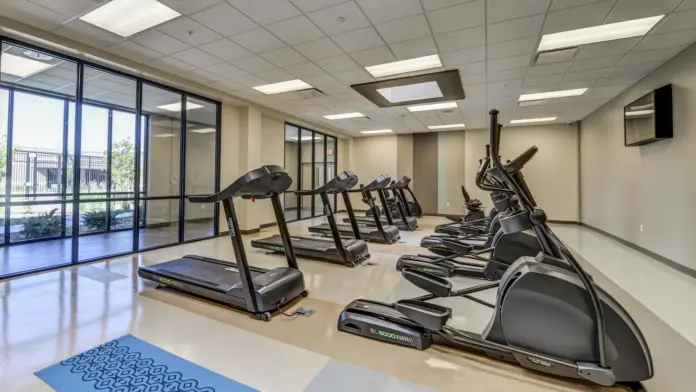
 Gym
Gym  Residential Setting
  Private Rooms
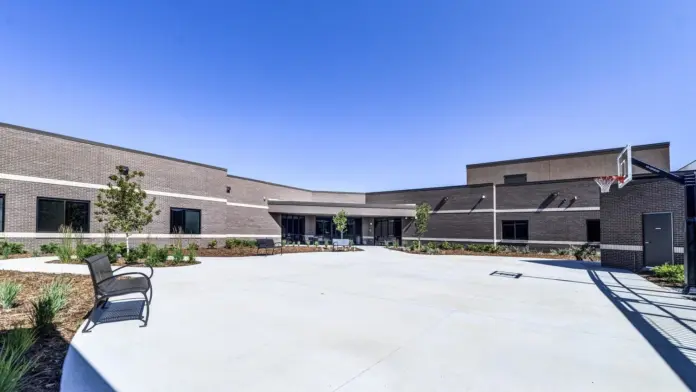
  Recreation Room
  Meditation Room
LegitScript has reviewed Denver Springs as part of their certification program, and has determined that it meets the LegitScript standards for legality, safety and transparency.
LegitScript verified in November 2020

The Joint Commission, formerly known as JCAHO, is a nonprofit organization that accredits rehab organizations and programs. Founded in 1951, the Joint Commision's mission is to improve the quality of patient care and demonstrating the quality of patient care.
Joint Commission Accreditation: Yes
Rehab.com regularly reviews this listing for accuracy but changes may occur between updates. For the most up-to-date information, please contact Denver Springs.

8835 American Way
Englewood, CO 80112
Sponsored Helpline

Denver Springs is a holding facility, and nothing more. Communication is disgraceful, concerns are not addressed, they provided no aftercare or follow-up and my person is worse off now than they were before their stay. I did not research in our emergency, but if you are lucky enough to see the reviews, go elsewhere!

My experience was disappointing in the end outside of Deb, Ms.Patty, Darlene, and maybe a few others questionable now and, I'm the end just very hurtful. During detox, I understand that I may not have always behaved myself, and I take responsibility for my own actions. However, I felt that staff shared opinions about me based on how I behaved while I was detoxing, rather than recognizing that detox can be an extremely difficult and vulnerable time. What was especially difficult was learning that another treatment facility appeared to accept those accounts as completely factual without considering the circumstances or the possibility that some of the situations were emotionally based or misunderstood. I found that experience humiliating, degrading, and embarrassing, and it had a real impact on me. I don't want to discourage anyone from seeking treatment, because getting help is incredibly important. If one program doesn't work for you, keep going until you find one that does. Recovery is worth continuing to fight for. I simply encourage anyone considering a treatment facility to do their research, read reviews carefully, ask questions, and make sure they feel comfortable with how the program handles vulnerable patients. My experience left me feeling that certain things were handled in a way I considered unethical and disappointing, particularly given the nature of the work.

Thank You so much for saving my life. And to all the staff on Cedars unit. I've never had such compassionate care in a such a terrifying time in my life.

My wife is receiving voluntary care at this facility. This place is unorganized and unbelievably chaotic. Day 1 - she was in intake. Not once was she asked to see me. The front desk lady turned me away stating my wife refused to see me. My wife stated she never said this. She was not told how she needed to provide her id# for visitation nor told she can call me from the land lines within the facility, Day 2- she finally got her phone back yet the staff was unable to get her medications right. She was given incorrect dosages, and wrong medications at wrong times. Day 3- she attempted to work on discharge as she’s been here 72 hrs. One of the reps of the facility showed up to give her the morning meds. He took them away, zero explanation and zero info passed to the next staff crew. This place provides zero information, zero answers, will not allow her to leave even after holding her for 72 hrs on a voluntary hold. We had plans for the upcoming weekend. I called to speak with a member of the dr team and was told “Maybe someone will call you “ This is an unprofessional facility, they do not care about medication, they don’t care about patient well being and the don’t care about the families. Never bring family here!
 Back
Back
Sharing your insights and experiences can help others learn more about this rehab center.