






























































































Worst receptionists that are not even able to keep a decent record of your classes/therapies. They won't benefit you at all, they will only tell you it's your fault. Counselors are always rushing you through the sessions
About Dynamic Living Counseling Inc
Dynamic Living Counseling Inc is an outpatient addiction treatment center in Phoenix, Arizona, offering substance use counseling, screening, education and court-connected services for adults and young adults.
The program provides regular outpatient treatment, DUI/DWI education and continuing care planning.
Dynamic Living Counseling emphasizes practical, evidence based care that supports both general recovery clients and individuals navigating legal or court-related requirements.
Outpatient Counseling, Education with DUI/DWI Programs
Treatment typically begins with a comprehensive substance use assessment and screening to determine the appropriate level of care and identify any co-occurring needs.
From there, clients may engage in outpatient counseling, DUI/DWI programs, substance use education and aftercare or discharge planning.
Clients can expect a blend of individual and group counseling guided by approaches such as cognitive behavioral therapy (CBT) and dialectical behavior therapy (DBT).
Additional services include anger management, domestic violence services and mental health support, with telehealth available for added flexibility.
Quick Facts About Dynamic Living Counseling Inc
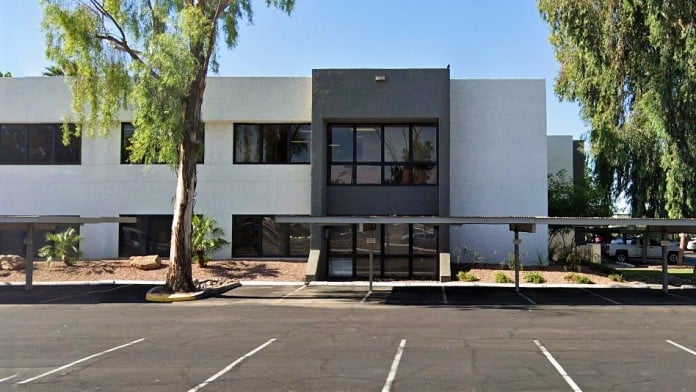
- Location: Phoenix, Arizona, on North 16th Street
- Levels of care: Outpatient and regular outpatient treatment, with assessment, education and aftercare
- Who they treat: Adult men and women, young adults, veterans, DUI/DWI clients and justice-involved individuals
- Approach: CBT, DBT, motivational interviewing, REBT, relapse prevention and trauma informed care
- Payment options: Self-pay, American Indian Health Plan (AIHP) and Tribal Regional Behavioral Health Authority (TRBHA)
- Additional services: Anger management, domestic violence services, mental health care and Spanish language services
- Access: Telehealth therapy available for eligible clients

Rehab Score
 Our Methodology
Scoring is assigned by a proprietary system which helps surface key metrics that determine quality. The 10-point scale factors in categories such as operations, customer satisfaction, and trust metrics. Read Full Methodology

5.6 / 10
Gallery
Accepted Insurance
Other Forms of Payment
Self-pay involves paying for treatment out of your own pocket. You can use savings or credit, get a personal loan, or receive help from family and friends to fund your treatment. If you don't have insurance or your insurance plan doesn't cover a specific program, self-pay can help ensure you still get the care you need.
Private insurance refers to any kind of healthcare coverage that isn't from the state or federal government. This includes individual and family plans offered by an employer or purchased from the Insurance Marketplace. Every plan will have different requirements and out of pocket costs so be sure to get the full details before you start treatment.
Addiction Treatments
Levels of Care
Outpatient Programs (OP) are for those seeking mental rehab or drug rehab, but who also stay at home every night. The main difference between outpatient treatment (OP) and intensive outpatient treatment (IOP) lies in the amount of hours the patient spends at the facility. Most of the time an outpatient program is designed for someone who has completed an inpatient stay and is looking to continue their growth in recovery. Outpatient is not meant to be the starting point, it is commonly referred to as aftercare.
Rehab aftercare programs support clients' successful reintegration into their home, workplace, and community. Drug rehab aftercare presumes that recovery requires life-long support. These programs typically offer a wide variety of services customized for the clients' unique and evolving needs. Clients may receive vocational training and career counseling, housing assistance, legal aid, peer coaching, and 12 step program induction, among other services. Clients' case managers often play a lead role in rehab aftercare planning.
Many addiction recovery centers base their treatment modalities on the 12 step program model, and those in treatment often transition to community-based programs. These programs can also be effective for clients who choose not to enter rehab. Traditionally, 12 step meetings are designed to provide intensive peer support whenever it is needed. In addition to group meetings and peer sponsorship, participants "work the steps" to achieve recovery through a systematic healing of the mind, body, and spirit.
The safest way to remove addictive substances from your body is done under the care of licensed medical professionals. Known as medically assisted detox, this level of care is typically in an inpatient setting with a team of medical experts that may include doctors, nurses, and mental health clinicians. Medications like Suboxone, methadone, or Vivitrol may be administered to help alleviate withdrawal symptoms.
Treatments
The goal of treatment for alcoholism is abstinence. Those with poor social support, poor motivation, or psychiatric disorders tend to relapse within a few years of treatment. For these people, success is measured by longer periods of abstinence, reduced use of alcohol, better health, and improved social functioning. Recovery and Maintenance are usually based on 12 step programs and AA meetings.
Drug rehab in Arizona is the process of treating individuals who are dependent on a particular addictive drug. Because addiction is complex, this treatment typically includes a variety of interventions that address the many physical and emotional issues involved.
Many of those suffering from addiction also suffer from mental or emotional illnesses like schizophrenia, bipolar disorder, depression, or anxiety disorders. Rehab and other substance abuse facilities treating those with a dual diagnosis or co-occurring disorder administer psychiatric treatment to address the person's mental health issue in addition to drug and alcohol rehabilitation.
A combined mental health and substance abuse rehab has the staff and resources available to handle individuals with both mental health and substance abuse issues. It can be challenging to determine where a specific symptom stems from (a mental health issue or an issue related to substance abuse), so mental health and substance abuse professionals are helpful in detangling symptoms and keeping treatment on track.
Arizona's substance abuse treatment centers can provide tailored treatment for individuals with substance use disorders and mental health conditions. Treatment programs may include medically assisted detox, 12-Step recovery, intensive outpatient programs, and aftercare support. Addiction experts employ evidence-based therapies like cognitive behavioral therapy (CBT), dialectical behavioral therapy (DBT), and talk therapy to uncover and reframe unhelpful patterns. By graduation, you'll have developed new coping strategies, learned new stress management techniques, and have the capability of sustaining your recovery.
Programs
Adult rehab programs include therapies tailored to each client's specific needs, goals, and recovery progress. They are tailored to the specific challenges adult clients may face, including family and work pressures and commitments. From inpatient and residential treatment to various levels of outpatient services, there are many options available. Some facilities also help adults work through co-occurring conditions, like anxiety, that can accompany addiction.
Young adulthood can be an exciting, yet difficult, time of transition. Individuals in their late teens to mid-20s face unique stressors related to school, jobs, families, and social circles, which can lead to a rise in substance use. Rehab centers with dedicated young adult programs will include activities and amenities that cater to this age group, with an emphasis on specialized counseling, peer socialization, and ongoing aftercare.
Men face specific challenges and concerns when seeking addiction treatment. Gender-specific recovery programs help them tackle these issues head-on in an environment that's focused, targeted, and distraction-free. It also gives them the opportunity to connect with and learn from other men who have been through a similar journey and can offer support for the next step.
Rehabs for women provide a safe, nurturing space for female clients to heal. These treatment programs consider the specific obstacles that women can face during recovery and place a special emphasis on mental, social, physical, and reproductive health. They explore how each woman's experience has shaped the trajectory of their substance use, addressing issues such as sexual abuse and past trauma.
Clinical Services
Cognitive Behavioral Therapy (CBT) is a therapy modality that focuses on the relationship between one's thoughts, feelings, and behaviors. It is used to establish and allow for healthy responses to thoughts and feelings (instead of unhealthy responses, like using drugs or alcohol). CBT has been proven effective for recovering addicts of all kinds, and is used to strengthen a patient's own self-awareness and ability to self-regulate. CBT allows individuals to monitor their own emotional state, become more adept at communicating with others, and manage stress without needing to engage in substance abuse.
Dialectical behavior therapy in Arizona focuses on acceptance of your reality and behaviors while also attempting to make changes in unhealthy behaviors. It has been shown to be effective for the treatment of anxiety, depression, PTSD, and substance use disorder.
Group therapy is any therapeutic work that happens in a group (not one-on-one). There are a number of different group therapy modalities, including support groups, experiential therapy, psycho-education, and more. Group therapy involves treatment as well as processing interaction between group members.
In individual therapy, a patient meets one-on-one with a trained psychologist or counselor. Therapy is a pivotal part of effective substance abuse treatment, as it often covers root causes of addiction, including challenges faced by the patient in their social, family, and work/school life.
Amenities
-
 Residential Setting
 -
 Private Setting
Staff & Accreditations
Staff
Mark Thiele
CEO at Dynamic Living Counseling Inc
Accreditations

State Licenses are permits issued by government agencies that allow rehab organizations to conduct business legally within a certain geographical area. Typically, the kind of program a rehab facility offers, along with its physical location, determines which licenses are required to operate legally.
State License: Arizona
Rehab.com regularly reviews this listing for accuracy but changes may occur between updates. For the most up-to-date information, please contact Dynamic Living Counseling Inc.
Contact Information

5150 North 16th Street
Suite B-132
Phoenix, AZ 85016
Get Help Now - 602-834-1056
Sponsored Helpline
Sponsored Helpline


