






























































































Always a friendly atmosphere in here! The cool thing is they do not make you feel as if you were doing something wrong, instead, they believe you were just lost. Staff is helpful
About EMASS
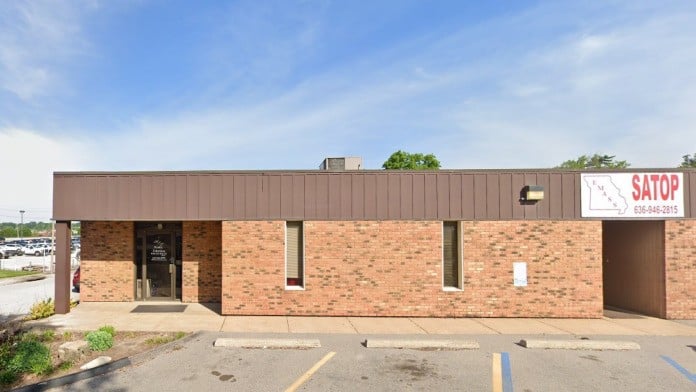
EMASS (Eastern Missouri Alternative Sentencing Services) in Saint Charles, Missouri, provides services to individuals, courts and the criminal justice system. The services include intervention and education, but also treatment referrals for individuals with substance related traffic offenses.
This is a private company that accepts direct payment for services. They have payment plans for eligible individuals. There are several locations throughout the St. Charles and St. Louis areas, with the corporate offices being in St. Charles, where clients may get information and referrals to the nearest facility.
Addiction Intervention and Education Services in Missouri
The organization offers intervention and addiction education services. They do not have residential or outpatient treatment programs, but the staff can refer individuals to the nearest treatment center.
One of the programs is an adolescent diversion education program. The program is 10 hours and fulfills the requirement for teens found guilty (or who plead guilty) to an offense, such as a minor in possession of alcohol.
The program may be required to reinstate a teen’s driver’s license. The class is $200 and educates teens as to the psychological and physiological side effects of drugs and alcohol.
Domestic Violence Education Programs
In addition to drug and alcohol related offenses, there are also domestic violence programs. One seminar is for those who have been charged with domestic abuse. The program includes a minimum of 12 weekly sessions.
This educational program strives to produce emotional, behavioral and attitudinal changes in offenders. The sessions are $30 each.
Professional Environment
The educational programs are conducted in a professional, office-like setting. The rooms are comfortable and private interview rooms provide confidentiality and privacy.
Clients have remarked on the nonjudgmental, helpful and professional staff. Many individuals have mentioned the knowledgeable and courteous staff, as well as the organization and efficiency of the assessment process.
Latest Reviews
This office was awesome they were very friendly and walked me through everything I needed. My class for dwi was also awesome my teacher or instructor was very kind and treated everyone with respect and fairness. Thank you to all
#😎
Very fast. In and out.

Rehab Score
 Our Methodology
Scoring is assigned by a proprietary system which helps surface key metrics that determine quality. The 10-point scale factors in categories such as operations, customer satisfaction, and trust metrics. Read Full Methodology

5.7 / 10
Gallery
Other Forms of Payment
Private insurance refers to any kind of healthcare coverage that isn't from the state or federal government. This includes individual and family plans offered by an employer or purchased from the Insurance Marketplace. Every plan will have different requirements and out of pocket costs so be sure to get the full details before you start treatment.
Self-pay involves paying for treatment out of your own pocket. You can use savings or credit, get a personal loan, or receive help from family and friends to fund your treatment. If you don't have insurance or your insurance plan doesn't cover a specific program, self-pay can help ensure you still get the care you need.
Addiction Treatments
Levels of Care
Outpatient Programs (OP) are for those seeking mental rehab or drug rehab, but who also stay at home every night. The main difference between outpatient treatment (OP) and intensive outpatient treatment (IOP) lies in the amount of hours the patient spends at the facility. Most of the time an outpatient program is designed for someone who has completed an inpatient stay and is looking to continue their growth in recovery. Outpatient is not meant to be the starting point, it is commonly referred to as aftercare.
Rehab aftercare programs offer continuing care for clients in the maintenance phase of recovery and are designed to evolve over time. Outpatient treatment is generally categorized as drug rehab aftercare, but many clients continue to receive services after being discharged from formal care. These services are customized to clients' unique recovery goals, but typically include medical, mental health, and social services. Clients' case manager and recovery team play a key role in developing the client's care plan.
A drug intervention in Missouri is a planned meeting between a person struggling with addiction and their close friends and family members. The goal of the intervention is to motivate the individual to seek treatment. To be successful, an intervention requires careful planning which may involve intervention services from an intervention specialist. Theyl can be certified by the Association of Intervention Specialists, or they may have other expertise that qualifies them for this role.
Treatments
The goal of treatment for alcoholism is abstinence. Those with poor social support, poor motivation, or psychiatric disorders tend to relapse within a few years of treatment. For these people, success is measured by longer periods of abstinence, reduced use of alcohol, better health, and improved social functioning. Recovery and Maintenance are usually based on 12 step programs and AA meetings.
Drug rehab in Missouri usually involves several phases: detox, rehab, and aftercare. The rehab phase may include a combination of inpatient and outpatient treatments, as the individual moves through a continuum of care on their recovery journey.
Substance rehabs focus on helping individuals recover from substance abuse, including alcohol and drug addiction (both illegal and prescription drugs). They often include the opportunity to engage in both individual as well as group therapy.
 Opioid Addiction
Programs
Adult rehab programs include therapies tailored to each client's specific needs, goals, and recovery progress. They are tailored to the specific challenges adult clients may face, including family and work pressures and commitments. From inpatient and residential treatment to various levels of outpatient services, there are many options available. Some facilities also help adults work through co-occurring conditions, like anxiety, that can accompany addiction.
Young adulthood can be an exciting, yet difficult, time of transition. Individuals in their late teens to mid-20s face unique stressors related to school, jobs, families, and social circles, which can lead to a rise in substance use. Rehab centers with dedicated young adult programs will include activities and amenities that cater to this age group, with an emphasis on specialized counseling, peer socialization, and ongoing aftercare.
Clinical Services
In individual therapy, a patient meets one-on-one with a trained psychologist or counselor. Therapy is a pivotal part of effective substance abuse treatment, as it often covers root causes of addiction, including challenges faced by the patient in their social, family, and work/school life.
Staff & Accreditations
Staff
Michael L. Smith
Founder
Bob Hawkins
Counselor
Debbie Cates
Counselor
Accreditations

The Commission on Accreditation of Rehabilitation Facilities (CARF) is a non-profit organization that specifically accredits rehab organizations. Founded in 1966, CARF's, mission is to help service providers like rehab facilities maintain high standards of care.
CARF Accreditation: Yes

State Licenses are permits issued by government agencies that allow rehab organizations to conduct business legally within a certain geographical area. Typically, the kind of program a rehab facility offers, along with its physical location, determines which licenses are required to operate legally.
State License: Missouri
Rehab.com regularly reviews this listing for accuracy but changes may occur between updates. For the most up-to-date information, please contact EMASS.
Contact Information

8 Westbury Drive
Saint Charles, MO 63301
Get Help Now - 636-206-4296
Sponsored Helpline
Sponsored Helpline



