My daughter learned a lot and excelled. I like headway and would recommend it .













































































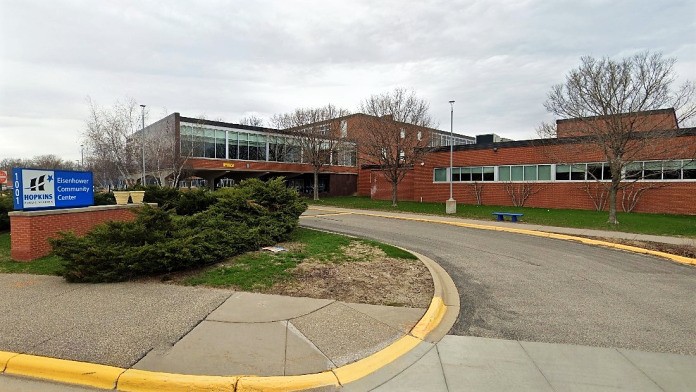
Youable Emotional Health is an outpatient mental health and addiction treatment provider serving adults in Hopkins, Minnesota. The practice offers evidence based therapy for substance use disorders, co-occurring mental health conditions, anxiety, depression, PTSD, trauma and ADHD. Youable delivers personalized, trauma informed care that addresses both addiction and the underlying issues that fuel it, helping clients build lasting recovery and emotional wellness.
Youable specializes in treating adults with substance use disorders, including alcoholism and drug addiction, alongside co-occurring mental health concerns like anxiety, depression and trauma. The clinic provides individual outpatient treatment designed to address the full spectrum of addiction and emotional health challenges in an integrated, compassionate setting.
Clinicians use evidence based approaches, including cognitive behavioral therapy CBT, dialectical behavior therapy DBT and motivational interviewing to support behavior change and recovery. Sessions are trauma informed and personalized, targeting root causes while equipping clients with practical coping strategies. Family involvement can be incorporated into treatment when appropriate to strengthen support systems.
Youable offers therapy, medication management and psychiatry services for adults across Minnesota through both in person and telehealth formats. This hybrid model ensures accessible, convenient care whether clients prefer virtual sessions or face to face appointments at the Hopkins clinic.
Youable serves clients in person at the Hopkins clinic on Highway 7 and via secure telehealth throughout Minnesota. The practice provides outpatient mental health and addiction treatment with a focus on evidence based, personalized care.

 Our Methodology


Private insurance refers to any kind of healthcare coverage that isn't from the state or federal government. This includes individual and family plans offered by an employer or purchased from the Insurance Marketplace. Every plan will have different requirements and out of pocket costs so be sure to get the full details before you start treatment.
Self-pay involves paying for treatment out of your own pocket. You can use savings or credit, get a personal loan, or receive help from family and friends to fund your treatment. If you don't have insurance or your insurance plan doesn't cover a specific program, self-pay can help ensure you still get the care you need.
Financial aid can take many forms. Centers may have grants or scholarships available to clients who meet eligibility requirements. Programs that receive SAMHSA grants may have financial aid available for those who need treatment as well. Grants and scholarships can help you pai for treatment without having to repay.
Sliding scale payments are based on a client's income and family size. The goal is to make treatment affordable to everyone. By taking these factors into account, addiction recovery care providers help ensure that your treatment does not become a financial burden to you or your family, eliminating one barrier to care.
Medicaid is a state based program that helps lower-income individuals and families pay for healthcare. Medicaid covers addiction treatment so those enrolled can use their coverage to pay for rehab. When a program accepts Medicaid the client often pays very little or nothing out of their own pocket.
Military members, veterans, and eligible dependents have access to specific insurance programs that help them get the care they need. TRICARE and VA insurance can help you access low cost or no cost addiction and mental health treatment. Programs that accept military insurance often have targeted treatment focused on the unique challenges military members, veterans, and their families face.
Outpatient rehabs typically provide a full continuum of care both for clients in early recovery and for those who are well advanced in their recovery journey. Their levels of care typically include partial hospitalization (PHP), intensive outpatient (IOP), sober living/halfway housing, and standard outpatient programming. Many outpatient facilities offer evening, night, and weekend services, including addiction counseling and recovery-focused life skills training, to accommodate clients' work and family schedules.
Intensive outpatient programs (IOP) provide one of the highest levels of care available in an outpatient setting and are designed for clients who require robust support. Many intensive outpatient rehabs offer personalized treatment plans and a variety of services, including individual, group, and family counseling, recovery-focused life skills training, holistic therapies, and medication assisted treatment (MAT). Clients typically receive between nine and 20 hours of care weekly.
12 step programs support long-term recovery through personal growth. Participants are expected to regularly attend 12 step meetings, which are free, anonymous, and accessible 365 days per year in most communities. They are also mentored by self-selected sponsors who help guide them through the steps of recovery, which are rooted in spiritual principles and designed to foster self-awareness, forgiveness, accountability, and acceptance. Religious affiliation is not required and specialized formats, including age and gender specific meetings, are available.
A drug intervention in Minnesota is a planned effort to persuade an individual to quit using drugs or to enter a treatment program. The intervention may be led by a specialist provided by rehab intervention services. This interventionist should have training in addiction treatment and experience in the mental health profession. Their expertise can prove invaluable in leading the intervention discussion and guiding the family in appropriate next steps.
When individuals first enter rehab, they may be malnourished due to substance use. They may also suffer from illness, organ damage, or other medical issues. 24-hour clinical care in Minnesota provides on-call staff who can monitor these conditions and provide appropriate treatment 24/7. This setting helps individuals who need substance use disorder treatment get the physical as well as psychological support they need.
Many of those suffering from addiction also suffer from mental or emotional illnesses like schizophrenia, bipolar disorder, depression, or anxiety disorders. Rehab and other substance abuse facilities treating those with a dual diagnosis or co-occurring disorder administer psychiatric treatment to address the person's mental health issue in addition to drug and alcohol rehabilitation.
Mental health rehabs focus on helping individuals recover from mental illnesses like bipolar disorder, clinical depression, anxiety disorders, schizophrenia, and more. Mental health professionals at these facilities are trained to understand and treat mental health issues, both in individual and group settings.
Adult rehab programs include therapies tailored to each client's specific needs, goals, and recovery progress. They are tailored to the specific challenges adult clients may face, including family and work pressures and commitments. From inpatient and residential treatment to various levels of outpatient services, there are many options available. Some facilities also help adults work through co-occurring conditions, like anxiety, that can accompany addiction.
Serving in the military is both mentally and physically challenging, and can result in trauma that persists even after combat ends. Military programs are tailored to the specific and often complex needs of active duty personnel, veterans, and military families. Clients often access these programs through the U.S. Department of Veterans Affairs (VA).
Cognitive Behavioral Therapy (CBT) is a therapy modality that focuses on the relationship between one's thoughts, feelings, and behaviors. It is used to establish and allow for healthy responses to thoughts and feelings (instead of unhealthy responses, like using drugs or alcohol). CBT has been proven effective for recovering addicts of all kinds, and is used to strengthen a patient's own self-awareness and ability to self-regulate. CBT allows individuals to monitor their own emotional state, become more adept at communicating with others, and manage stress without needing to engage in substance abuse.
Dialectical behavior therapy focuses on four skills: emotional regulation, mindfulness, acceptance and distress tolerance, and interpersonal effectiveness. Treatment involves individual sessions, as well as group sessions where you can start applying the skills you learn.
 Equine Therapy
Group therapy is any therapeutic work that happens in a group (not one-on-one). There are a number of different group therapy modalities, including support groups, experiential therapy, psycho-education, and more. Group therapy involves treatment as well as processing interaction between group members.
In individual therapy, a patient meets one-on-one with a trained psychologist or counselor. Therapy is a pivotal part of effective substance abuse treatment, as it often covers root causes of addiction, including challenges faced by the patient in their social, family, and work/school life.
Trauma therapy addresses traumatic incidents from a client's past that are likely affecting their present-day experience. Trauma is often one of the primary triggers and potential causes of addiction, and can stem from child sexual abuse, domestic violence, having a parent with a mental illness, losing one or both parents at a young age, teenage or adult sexual assault, or any number of other factors. The purpose of trauma therapy is to allow a patient to process trauma and move through and past it, with the help of trained and compassionate mental health professionals.
Whether a marriage or other committed relationship, an intimate partnership is one of the most important aspects of a person's life. Drug and alcohol addiction affects both members of a couple in deep and meaningful ways, as does rehab and recovery. Couples therapy and other couples-focused treatment programs are significant parts of exploring triggers of addiction, as well as learning how to build healthy patterns to support ongoing sobriety.
Research clearly demonstrates that recovery is far more successful and sustainable when loved ones like family members participate in rehab and substance abuse treatment. Genetic factors may be at play when it comes to drug and alcohol addiction, as well as mental health issues. Family dynamics often play a critical role in addiction triggers, and if properly educated, family members can be a strong source of support when it comes to rehabilitation.
For a successful recovery, life skills training is key. That's why rehab programs in Minnesota include training in social skills, self care, time management, financial management, and other daily life skills. By growing in these areas, you'll gain tools that allow you to navigate challenges and avoid relapse.
 Residential Setting
  Private Rooms
  Private Setting
 Director, Revenue Operations
Director, Finance – Controller
Human Resources Generalist
Director, Community Programs
Operations Support

1001 Highway 7
Suite 309
Hopkins, MN 55305
Sponsored Helpline
My daughter learned a lot and excelled. I like headway and would recommend it .
The staff here weren't the best, they could not solve my doubt I was waitting a long time and I lost my time and I was late for my appointment because of that.

changing my review coz it was a little too violent last time, i was super unstable writing it because of this place. but when i was there literally none of the staff cared about the patients and didnt care about the patients having breakdowns or literally getting hurt . horrible place i hope it gets defunded


I'm over all pleased with the program, my child has definitely changed, if I have anything to complain about is they offer to many "outs" for the children whereas in my time we figured out and didn't go to a breakout room.

Kind, authentic care.
 Back
Back
Sharing your insights and experiences can help others learn more about this rehab center.