





























































































About Northern Illinois Recovery Center
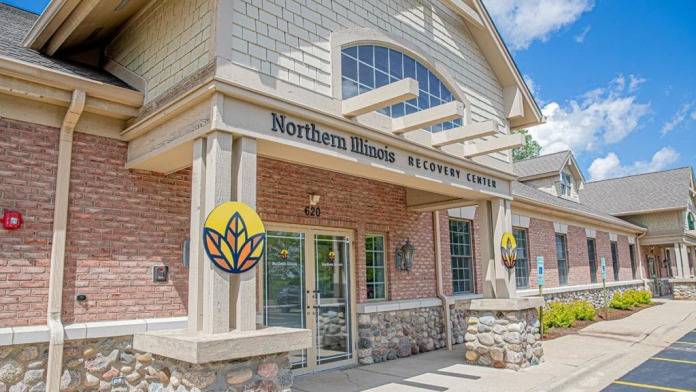
Northern Illinois Recovery Center is an addiction treatment provider in Crystal Lake, Illinois, offering a full continuum of behavioral healthcare for adults and adolescents. The facility provides medical detox, residential treatment, partial hospitalization (PHP), intensive outpatient (IOP), outpatient care, and aftercare for substance use disorders and co-occurring mental health conditions. Treatment is delivered on a 16-bed inpatient campus outside of Chicago, in a state where drug overdose deaths declined roughly 30 percent in 2024 to their lowest level since 2016.
Detox and Residential Treatment in Crystal Lake
Care at Northern Illinois Recovery Center often begins with medical detox, where licensed clinicians stabilize individuals during the withdrawal phase under round-the-clock supervision. Vital signs and withdrawal symptoms are monitored continuously, and medications are administered when clinically appropriate.
After detox, clients transition into residential treatment for a structured, immersive program lasting 30 to 90 days depending on clinical needs. Daily programming combines individual therapy, group sessions, cognitive behavioral therapy (CBT), dialectical behavior therapy (DBT), trauma-informed care, family therapy, and 12-step components.
Outpatient Care and Adolescent Programming
Step-down options include partial hospitalization, daytime and evening intensive outpatient, and a standard outpatient track of two or three counseling sessions per week. A dedicated teen intensive outpatient program supports adolescents experiencing anxiety, depression, trauma, and behavioral concerns. Virtual care and a structured sober living program extend support beyond the main campus.
Accreditation, Insurance, and Next Steps
Northern Illinois Recovery Center is accredited by The Joint Commission, is a member of the National Association of Addiction Treatment Providers (NAATP), and holds LegitScript certification. Accepted payment includes Blue Cross Blue Shield, Aetna, UnitedHealth Group, Humana, and additional private insurance, along with Medicaid, Medicare, self-pay, and sliding scale options.
Prospective clients exploring rehab centers in Crystal Lake, Illinois can verify coverage or schedule an admissions call directly through the listing.
Facility Overview
 16
16 Latest Reviews



Rehab Score
 Our Methodology


Gallery
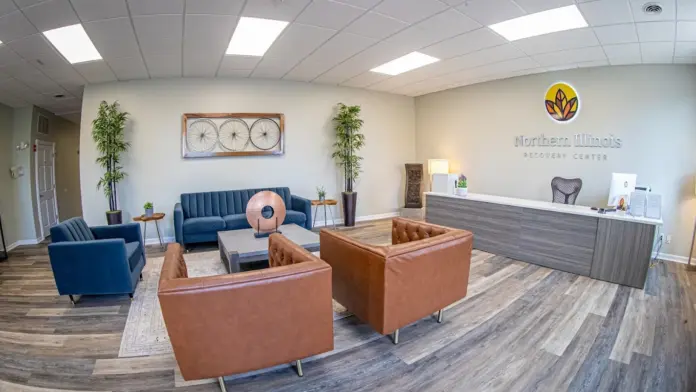
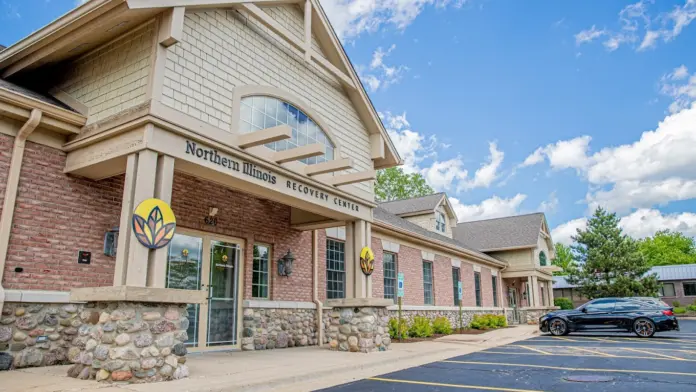
Accepted Insurance
Other Forms of Payment
Private insurance refers to any kind of healthcare coverage that isn't from the state or federal government. This includes individual and family plans offered by an employer or purchased from the Insurance Marketplace. Every plan will have different requirements and out of pocket costs so be sure to get the full details before you start treatment.
Self-pay involves paying for treatment out of your own pocket. You can use savings or credit, get a personal loan, or receive help from family and friends to fund your treatment. If you don't have insurance or your insurance plan doesn't cover a specific program, self-pay can help ensure you still get the care you need.
Sliding scale payments are based on a client's income and family size. The goal is to make treatment affordable to everyone. By taking these factors into account, addiction recovery care providers help ensure that your treatment does not become a financial burden to you or your family, eliminating one barrier to care.
Medicaid is a state based program that helps lower-income individuals and families pay for healthcare. Medicaid covers addiction treatment so those enrolled can use their coverage to pay for rehab. When a program accepts Medicaid the client often pays very little or nothing out of their own pocket.
Medicare is a federal program that provides health insurance for those 65 and older. It also serves people under 65 with chronic and disabling health challenges. To use Medicare for addiction treatment you need to find a program that accepts Medicare and is in network with your plan. Out of pocket costs and preauthorization requirements vary, so always check with your provider.
Addiction Treatments
Levels of Care
Outpatient Programs (OP) are for those seeking mental rehab or drug rehab, but who also stay at home every night. The main difference between outpatient treatment (OP) and intensive outpatient treatment (IOP) lies in the amount of hours the patient spends at the facility. Most of the time an outpatient program is designed for someone who has completed an inpatient stay and is looking to continue their growth in recovery. Outpatient is not meant to be the starting point, it is commonly referred to as aftercare.
When participating in an inpatient rehab program, you'll reside at the treatment center for the duration of the program. Your housing and meals are provided, allowing you to focus on your recovery without outside triggers, stressors, and other distractions. You'll receive daily addiction counseling, drawing on various psychotherapeutic approaches like cognitive behavioral therapy (CBT) and motivational interviewing. Many inpatient drug rehabs also offer complementary holistic therapies, such as yoga, meditation, or animal therapy, and creative arts therapy.
Intensive Outpatient Programs (IOP) are for those who want or need a very structured treatment program but who also wish to live at home and continue with certain responsibilities (such as work or school). IOP substance abuse treatment programs vary in duration and intensity, and certain outpatient rehab centers will offer individualized treatment programs.
Participants in 12 step programs focus on emotional, psychological, and spiritual growth as the foundation for long-term sobriety. They engage in regular 12 step meetings, which are anonymous, free, and accessible day and night, year-round, in most communities. Participants also receive one-on-one mentoring from a self-selected sponsor. Though the 12 steps of recovery are based on spiritual principles, religious affiliation isn't required. Specialized formats are available, including programs for seniors, teens, and families.
Sober Living Houses (SLHs), aka sober homes or halfway houses, are safe, substance-free, supportive living facilities for those recovering from substance abuse. Ideal for those who've just been through inpatient or outpatient treatment, SLHs are supervised environments with rules that support sobriety, such as curfews, shared chores, and therapeutic meetings. Residents are also often trained on life skills and coping skills to make it easier to transition into society. SLHs also provide a strong sense of community that can lead to the kind of deep and lasting connections with other sober individuals that supports a new, healthy lifestyle.
Loved ones can utilize a drug intervention in Illinois to help with addressing a family member's problematic substance use. The goal of the intervention is to educate the individual about the negative effects of their substance use and encourage them to accept professional treatment. Intervention services can help families initiate this conversation and plan appropriate follow-up care, such as inpatient or outpatient rehab.
A partial hospitalization program (PHP) is a short-term form of intensive rehab, usually for those with acute symptoms that are hard to manage but don’t require 24-hour care. PHPs have structured programming (i.e. individual and/or group therapy), and usually meet 3-5 days a week for around 6 hours (i.e. 9am-3m). Some PHPs are residential (patients sleep on site) and some are not, so patients sleep at home. PHPs can last from 1-6 months, and some offer transportation and meals.
Addiction treatment often begins with 24-hour clinical care in Illinois. This supervised setting is the best environment for detox.where medical staff can provide 24/7 supervision and responsive care as your body is cleansed of addictive substances. Doctors may prescribe antagonist and partial agonist drugs to counteract the effects of drugs or alcohol, or they may slowly taper down dosages of substances to end physical dependence on the drug.
During the medically supervised detox process, licensed medical professionals monitor your vitals and administer medications meant to help alleviate the physical symptoms of withdrawal. The process can take between five and seven days, although the actual length depends on your individual needs. In most cases, medically assisted detox is partially, if not fully, covered by insurance.
Rehab aftercare programs provide a full continuum of care for clients who are exiting inpatient treatment. Though outpatient care is often considered an element of drug rehab aftercare, services typically continue for the remainder of the clients' life and long after formal treatment is completed. Clients work with their case managers and care team to formulate a customized portfolio of medical, mental health, and social service resources designed to evolve as the client's needs change.
Treatments
A combined mental health and substance abuse rehab has the staff and resources available to handle individuals with both mental health and substance abuse issues. It can be challenging to determine where a specific symptom stems from (a mental health issue or an issue related to substance abuse), so mental health and substance abuse professionals are helpful in detangling symptoms and keeping treatment on track.
Alcohol use disorder (alcoholism) can be severe, moderate, or mild. Symptoms include spending a lot of time drinking, wanting to stop but being unsuccessful, and feeling strong cravings that lead to overuse of alcohol. At any severity level, alcohol addiction is treatable through alcohol rehab in Illinois. Most comprehensive rehab programs include medical detox, inpatient rehab, and ongoing alcohol counseling/support (maintenance).
Drug rehab in Illinois is designed to help people recover from addiction to a number of substances. The length of each program and its intensity tend to vary, and the plan of care is based on your individual needs.
 Opioid Addiction
In Illinois, comprehensive substance abuse treatment programs are available for individuals struggling with substances and their mental health. These programs offer various levels of care, including outpatient, inpatient, and partial hospitalization options. Skilled clinicians utilize evidence-based therapies such as cognitive-behavioral therapy (CBT), dialectical behavior therapy (DBT), and trauma-informed care to address substance abuse and improve your mental health. You'll also learn strategies to cope with relapse triggers and deal with stress.
Programs
Adult rehab programs include therapies tailored to each client's specific needs, goals, and recovery progress. They are tailored to the specific challenges adult clients may face, including family and work pressures and commitments. From inpatient and residential treatment to various levels of outpatient services, there are many options available. Some facilities also help adults work through co-occurring conditions, like anxiety, that can accompany addiction.
Young adulthood can be an exciting, yet difficult, time of transition. Individuals in their late teens to mid-20s face unique stressors related to school, jobs, families, and social circles, which can lead to a rise in substance use. Rehab centers with dedicated young adult programs will include activities and amenities that cater to this age group, with an emphasis on specialized counseling, peer socialization, and ongoing aftercare.
Teen programs are designed to address the unique pressures teens face, pressures that can drive them to experiment with dangerous, addictive substances. They need programs that meet them exactly where they are and give them tools for long-term recovery. Therapy can help teenagers understand and work through underlying issues so they can reclaim the life ahead of them.
Men face specific challenges and concerns when seeking addiction treatment. Gender-specific recovery programs help them tackle these issues head-on in an environment that's focused, targeted, and distraction-free. It also gives them the opportunity to connect with and learn from other men who have been through a similar journey and can offer support for the next step.
Rehabs for women provide a safe, nurturing space for female clients to heal. These treatment programs consider the specific obstacles that women can face during recovery and place a special emphasis on mental, social, physical, and reproductive health. They explore how each woman's experience has shaped the trajectory of their substance use, addressing issues such as sexual abuse and past trauma.
Clinical Services
Cognitive Behavioral Therapy (CBT) is a therapy modality that focuses on the relationship between one's thoughts, feelings, and behaviors. It is used to establish and allow for healthy responses to thoughts and feelings (instead of unhealthy responses, like using drugs or alcohol). CBT has been proven effective for recovering addicts of all kinds, and is used to strengthen a patient's own self-awareness and ability to self-regulate. CBT allows individuals to monitor their own emotional state, become more adept at communicating with others, and manage stress without needing to engage in substance abuse.
Dialectical Behavior Therapy (DBT) is a modified form of Cognitive Behavioral Therapy (CBT), a treatment designed to help people understand and ultimately affect the relationship between their thoughts, feelings, and behaviors. DBT is often used for individuals who struggle with self-harm behaviors, such as self-mutilation (cutting) and suicidal thoughts, urges, or attempts. It has been proven clinically effective for those who struggle with out-of-control emotions and mental health illnesses like Borderline Personality Disorder.
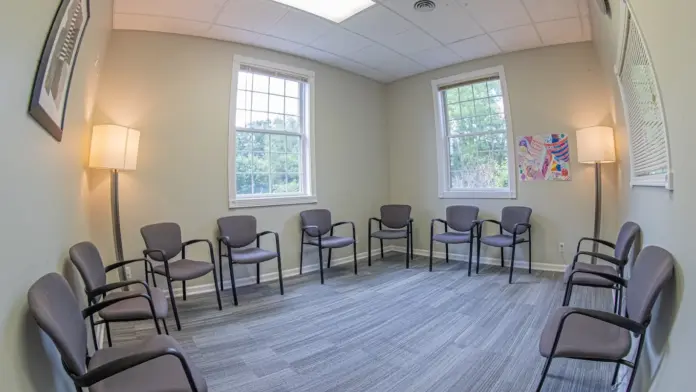
Group therapy is any therapeutic work that happens in a group (not one-on-one). There are a number of different group therapy modalities, including support groups, experiential therapy, psycho-education, and more. Group therapy involves treatment as well as processing interaction between group members.
In individual therapy, a patient meets one-on-one with a trained psychologist or counselor. Therapy is a pivotal part of effective substance abuse treatment, as it often covers root causes of addiction, including challenges faced by the patient in their social, family, and work/school life.
Trauma therapy provides you with a safe and supportive environment so you can address a traumatic experience. Your therapist helps guide you to understand your emotional, mental, and physical responses while developing healthier coping skills. This helps to improve your emotional resilience and ability to function in the community.
 Eye Movement Desensitization And Reprocessing
A therapist who specializes in creative arts therapy in Illinois helps you communicate your feelings through expressive activities such as painting, music, or acting. Skill in the art form is not required to benefit from this type of therapy.
Both inpatient and outpatient substance use disorder treatment programs may offer experiential therapy in Illinois. This method is often provided in addition to talk therapy. It offers opportunities for creative expression and reflection on emotions through activities such as adventure courses, animal care, music, or culinary arts.
Family therapy helps to rebuild trust and strengthen relationships that have been affected by addiction. Therapists use guided interventions to help families improve their interactions and address underlying issues that impact their relationships. This helps create a supportive atmosphere for the recovery process.
Amenities
-
 Residential Setting
 -
 Private Rooms
 -
 Luxury Accommodations
 -
 Gym
Gym -
 Meditation Room
 -
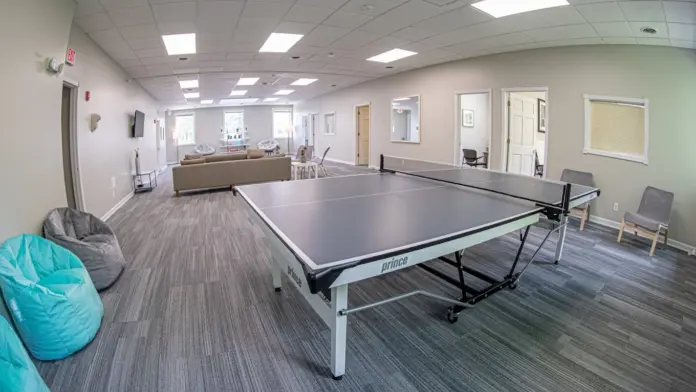
 Recreation Room
Staff & Accreditations
Staff
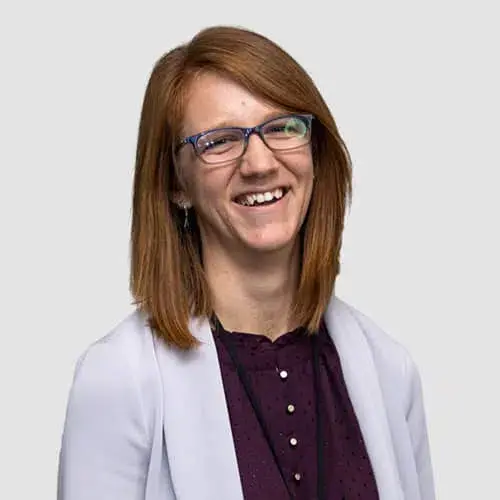
Caitlyn McClure, DSW, LCSW
VP of Clinical Services
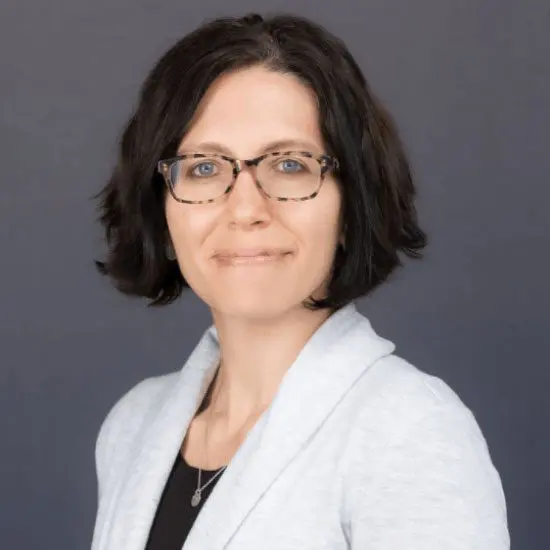
Dr. Beth Dunlap, M.D.
Medical Director, Licensed Physician & Surgeon

Derek Hilburger, LCSW, ICDVP
Clinical Supervisor
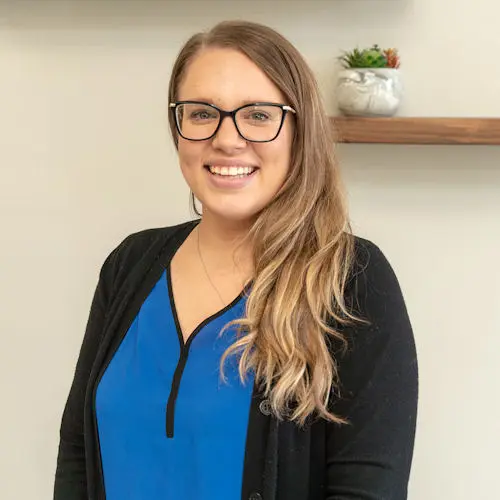
Erika Heatley, LCSW, CADC
Clinical Supervisor
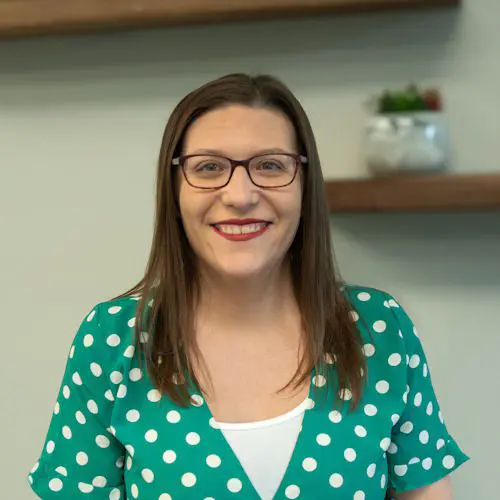
Erin Fowler, LCSW, CADC
Primary Therapist
Accreditations

LegitScript has reviewed Northern Illinois Recovery Center as part of their certification program, and has determined that it meets the LegitScript standards for legality, safety and transparency.
LegitScript verified in

The Joint Commission, formerly known as JCAHO, is a nonprofit organization that accredits rehab organizations and programs. Founded in 1951, the Joint Commision's mission is to improve the quality of patient care and demonstrating the quality of patient care.
Joint Commission Accreditation: Yes
Accreditation Number: 642125

The National Association of Addiction Treatment Providers (NAATP) is a professional association that represents organizations in the field of addiction services. Founded in 1978, NAATP's mission is to advance addiction services and ensure that high-quality addiction treatment is available and accessible.
NAATP Member: Yes
Rehab.com regularly reviews this listing for accuracy but changes may occur between updates. For the most up-to-date information, please contact Northern Illinois Recovery Center.
Contact Information


620 N State Rte 31
Crystal Lake, IL 60012
Sponsored Helpline


