





























































































High watch saved my life. I was a 25 year old still living in my parents basement drinking and using drugs constantly and had absolutely no way out. I was without hope that I would ever live a full, happy life. It still boggles my mind how lucky I was to be sent to a place l ...
About High Watch Recovery
High Watch Recovery accepts Aetna, Ameriben, Cigna, UMR, United, Meritain, Connecticare and many others. The clinic also accepts commercial health insurance.
The facility helps with interventions, detox services, residential programs and online IOP assistance. The clinic also has a unique equine assisted learning program, which involves the use of horses to promote recovery. The program consists of four three hour sessions where patients are encouraged to interact and groom the horses as they learn more about vulnerability, fear, depression, grief and other tough emotions.
One noteworthy accomplishment is that High Watch Recovery was awarded Sacred Heart University’s “Clinical Site of the Year” award in 2023. This achievement was designed to recognize the clinic for its commitment to educating Physician Assistant Students in the Healthcare industry.
Another great aspect of this program is the impact it has on the overall quality of life of former patients. According to the clinic, 95% of patients who successfully complete Extended Care leave the facility more confident and feeling accomplished. This truth is also reflected in feedback from former patients. The facility has a very high overall rating. Many former patients say that the facility is life changing and has a wonderful staff.
Facility Overview
 91+
91+ Avg Length of Stay in Days
Latest Reviews
The most amazing experience of my life and i appreciate everyone i met. So grateful for the opportunity to have completed the program.
This place is the most amazing place I’ve ever had the pleasure to be at. The feeling you get when you come up that big hill is undescribable. Serenity is an understatement! I couldn’t imagine my life better than it is thanks to this place! Anybody who needs help this is the place you want!
This amazing facility saved my life and I am forever grateful!!! The staff, programming and facilities are off the chart. The therapists are amazing and always available and on top of every detail.
P.s. the kitchen staff and the food is an 11 out of 10!!!

Rehab Score
 Our Methodology
Scoring is assigned by a proprietary system which helps surface key metrics that determine quality. The 10-point scale factors in categories such as operations, customer satisfaction, and trust metrics. Read Full Methodology

8.4 / 10
Gallery





Accepted Insurance

EmblemHealth
AmeriBen
ConnectiCare
Other Forms of Payment
Private insurance refers to any kind of healthcare coverage that isn't from the state or federal government. This includes individual and family plans offered by an employer or purchased from the Insurance Marketplace. Every plan will have different requirements and out of pocket costs so be sure to get the full details before you start treatment.
Self-pay involves paying for treatment out of your own pocket. You can use savings or credit, get a personal loan, or receive help from family and friends to fund your treatment. If you don't have insurance or your insurance plan doesn't cover a specific program, self-pay can help ensure you still get the care you need.
Financial aid can take many forms. Centers may have grants or scholarships available to clients who meet eligibility requirements. Programs that receive SAMHSA grants may have financial aid available for those who need treatment as well. Grants and scholarships can help you pai for treatment without having to repay.
Private insurance refers to any kind of healthcare coverage that isn't from the state or federal government. This includes individual and family plans offered by an employer or purchased from the Insurance Marketplace. Every plan will have different requirements and out of pocket costs so be sure to get the full details before you start treatment.
Addiction Treatments
Levels of Care
Typically seen as a first step in the recovery process, medically assisted detox generally takes place in an inpatient setting under the 24/7 supervision of licensed medical professionals. It is considered the safest way to remove addictive drugs from your body. The length of a medical detox program is individualized, but it often takes around 5-7 days.
A partial hospitalization program (PHP) offers short-term intensive rehab for those who don't require 24-hour care. PHP treatment can serve as an alternative to inpatient hospitalization or a step-down option after being released from a hospital or residential program. A partial hospitalization program can provide medication management, relapse prevention strategies, and behavioral therapy interventions. With daily sessions lasting up to 8 hours for up to 5 days a week, the duration can vary with the average being 90 days.
Rehab aftercare programs promote clients' long-term sobriety through a suite of services designed to provide a complete continuum of care. Drug rehab aftercare typically begins as soon as patients exit inpatient care and often includes formal outpatient treatment. Clients who no longer require outpatient counseling, education, or other treatment generally continue to receive rehab aftercare services, such as peer coaching, career counseling, or 12 step program induction. Clients typically develop their program in collaboration with their case manager.
Treatments
In Connecticut you'll find a range of substance abuse rehabs providing effective and individualized care, which dramatically increases long-term recovery outcomes. These programs include various levels of care, including inpatient, medically assisted detox, and partial hospitalization programs. You'll receive a comprehensive assessment and individualized treatment plan, to determine the appropriate level of care and evidence-based interventions. You can expect individual and group therapy, skills classes, and relapse prevention training.
Inpatient and outpatient addiction treatment addresses both the physical and mental aspects of chemical dependency. Naturally, mental health services are provided during that treatment process and may include individual and group counseling and relapse prevention education.
Programs
Adult rehab programs include therapies tailored to each client's specific needs, goals, and recovery progress. They are tailored to the specific challenges adult clients may face, including family and work pressures and commitments. From inpatient and residential treatment to various levels of outpatient services, there are many options available. Some facilities also help adults work through co-occurring conditions, like anxiety, that can accompany addiction.
Young adulthood can be an exciting, yet difficult, time of transition. Individuals in their late teens to mid-20s face unique stressors related to school, jobs, families, and social circles, which can lead to a rise in substance use. Rehab centers with dedicated young adult programs will include activities and amenities that cater to this age group, with an emphasis on specialized counseling, peer socialization, and ongoing aftercare.
Men face specific challenges and concerns when seeking addiction treatment. Gender-specific recovery programs help them tackle these issues head-on in an environment that's focused, targeted, and distraction-free. It also gives them the opportunity to connect with and learn from other men who have been through a similar journey and can offer support for the next step.
Rehabs for women provide a safe, nurturing space for female clients to heal. These treatment programs consider the specific obstacles that women can face during recovery and place a special emphasis on mental, social, physical, and reproductive health. They explore how each woman's experience has shaped the trajectory of their substance use, addressing issues such as sexual abuse and past trauma.
Clinical Services
 Eye Movement Desensitization And Reprocessing
Amenities
-
 Yoga Studio
 -
 Private Transportation
 -
 Private Rooms
 -
 Hiking
 -
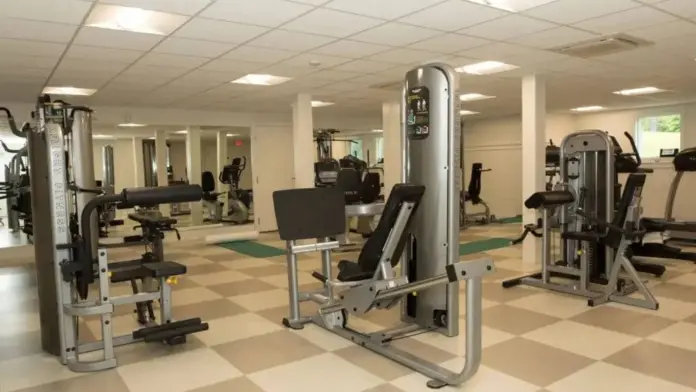
 Gym
Gym -
 Walking Trails
 -
 Gardens
 -
 Farm Setting
 -
 Meditation Room
Staff & Accreditations
Staff

John West
Chairman of the Board

Dr. Gregory Boris
VP of Medical Affair
Accreditations

The Joint Commission, formerly known as JCAHO, is a nonprofit organization that accredits rehab organizations and programs. Founded in 1951, the Joint Commision's mission is to improve the quality of patient care and demonstrating the quality of patient care.
Joint Commission Accreditation: Yes
Accreditation Number: 601104

The National Association of Addiction Treatment Providers (NAATP) is a professional association that represents organizations in the field of addiction services. Founded in 1978, NAATP's mission is to advance addiction services and ensure that high-quality addiction treatment is available and accessible.
NAATP Member: Yes
Member ID: 241

The Substance Abuse and Mental Health Services Administration (SAMHSA) is a branch of the U.S. Department of Health and Human Services. Established in 1992 by congress, SAMHSA's mission is to reduce the impact of substance abuse and mental illness on American's communities.
SAMHSA Listed: Yes

State Licenses are permits issued by government agencies that allow rehab organizations to conduct business legally within a certain geographical area. Typically, the kind of program a rehab facility offers, along with its physical location, determines which licenses are required to operate legally.
State License: Connecticut
License Number: SA0021
Rehab.com regularly reviews this listing for accuracy but changes may occur between updates. For the most up-to-date information, please contact High Watch Recovery.
Contact Information

62 Carter Road
Kent, CT 06757
Get Help Now - 860-264-6018
Sponsored Helpline
Sponsored Helpline


