





























































































About Highland Rivers
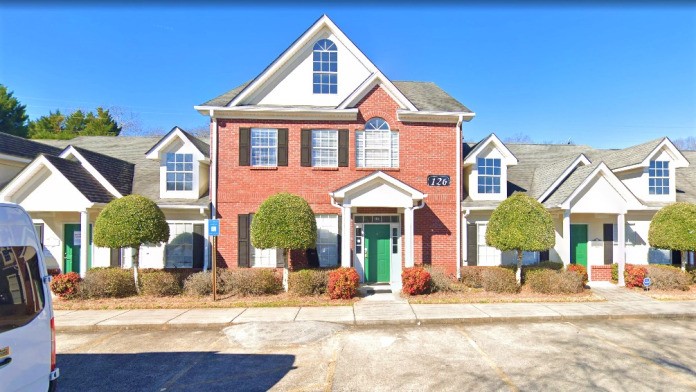
Highland Rivers Behavioral Health at Paulding is an outpatient addiction treatment center in Hiram, Georgia, offering substance use and integrated mental health care for adults, children and adolescents.
As part of a large regional network serving 13 counties across northwest Georgia, the Hiram location provides outpatient counseling, assessments and connections to crisis stabilization and detox within the broader system.
Treatment is person centered and recovery oriented, guided by ASAM philosophy and SAMHSA recovery principles.
Addiction Treatment and Crisis Care at Highland Rivers
New clients begin with a first-visit assessment that matches them to the appropriate level of care, along with a financial review to determine coverage and eligibility.
From there, individuals may enter outpatient substance use treatment with one-to-one, group and family counseling, with access to detox and crisis stabilization at other network locations when needed.
Clients can expect integrated care for co-occurring conditions such as depression, anxiety, bipolar disorder, PTSD and schizophrenia.
Programs include group counseling and skills training in coping, communication, healthy living and relapse-responsive support, plus peer support and drug court groups for court involved individuals.
Quick Facts About Highland Rivers at Paulding
- Location: 126 Enterprise Path, Hiram, Georgia, in Paulding County
- Levels of care: Outpatient substance use and mental health treatment, with system access to detox and crisis stabilization
- Who they treat: Adults, children and adolescents, including court-involved individuals and those with co-occurring disorders
- Approach: Person centered, recovery oriented care based on ASAM and SAMHSA principles
- Payment options: Medicare, Medicaid, approved commercial insurance and sliding-scale fees for uninsured clients
- Accreditation: CARF-accredited for integrated outpatient SUD, mental health and case management
Getting Care in Georgia
Starting treatment at Highland Rivers in Hiram, Georgia begins with a first visit that includes both a clinical and financial assessment.
The intake team can explain available programs, verify insurance and discuss sliding-scale options or payment plans.
Latest Reviews



Rehab Score
 Our Methodology


Gallery
Other Forms of Payment
Private insurance refers to any kind of healthcare coverage that isn't from the state or federal government. This includes individual and family plans offered by an employer or purchased from the Insurance Marketplace. Every plan will have different requirements and out of pocket costs so be sure to get the full details before you start treatment.
Self-pay involves paying for treatment out of your own pocket. You can use savings or credit, get a personal loan, or receive help from family and friends to fund your treatment. If you don't have insurance or your insurance plan doesn't cover a specific program, self-pay can help ensure you still get the care you need.
Financial aid can take many forms. Centers may have grants or scholarships available to clients who meet eligibility requirements. Programs that receive SAMHSA grants may have financial aid available for those who need treatment as well. Grants and scholarships can help you pai for treatment without having to repay.
Sliding scale payments are based on a client's income and family size. The goal is to make treatment affordable to everyone. By taking these factors into account, addiction recovery care providers help ensure that your treatment does not become a financial burden to you or your family, eliminating one barrier to care.
Medicare is a federal program that provides health insurance for those 65 and older. It also serves people under 65 with chronic and disabling health challenges. To use Medicare for addiction treatment you need to find a program that accepts Medicare and is in network with your plan. Out of pocket costs and preauthorization requirements vary, so always check with your provider.
Medicaid is a state based program that helps lower-income individuals and families pay for healthcare. Medicaid covers addiction treatment so those enrolled can use their coverage to pay for rehab. When a program accepts Medicaid the client often pays very little or nothing out of their own pocket.
Military members, veterans, and eligible dependents have access to specific insurance programs that help them get the care they need. TRICARE and VA insurance can help you access low cost or no cost addiction and mental health treatment. Programs that accept military insurance often have targeted treatment focused on the unique challenges military members, veterans, and their families face.
Addiction Treatments
Levels of Care
Outpatient Programs (OP) are for those seeking mental rehab or drug rehab, but who also stay at home every night. The main difference between outpatient treatment (OP) and intensive outpatient treatment (IOP) lies in the amount of hours the patient spends at the facility. Most of the time an outpatient program is designed for someone who has completed an inpatient stay and is looking to continue their growth in recovery. Outpatient is not meant to be the starting point, it is commonly referred to as aftercare.
Inpatient rehabs feature intensive clinical supervision and a highly structured and supportive environment, meaning they are especially well suited for clients in early recovery and those at risk of relapse. Clients reside at the treatment facility and engage in various therapeutic sessions throughout the day, including addiction counseling and recovery-focused life skills training. Many programs also offer evidence-based complementary therapies, such as meditation and massage.
The Substance Abuse Intensive Outpatient Program (SAIOP) helps individuals learn how to manage life issues and day-to- day living without the use of mood- or mind-altering substances or drugs. Program services promote recovery, self-sufficiency, development of support networks and other important life skills to enhance mental health and reduce the risk of needing inpatient treatment. Family involvement is encouraged to assist in maintaining the goals of the individual, and to help develop or re-establish family relationships and support. Family members and significant others can be included at the individual’s request.
Aftercare, which is sometimes referred to as continuing care or relapse prevention, is a type of structured care meant to help you continue with the progress you've made after completing an addiction treatment program. Most of the time, you'll continue receiving support after a treatment program by partnering with their case managers and staff to identify and access the resources you need to remain sober.
12-step programs are addiction recovery models based on Alcoholics Anonymous (AA). A number of substance abuse programs (including some drug and alcohol rehab centers) use the 12 steps as a basis for treatment. Beginning steps involve admitting powerlessness over the addiction and creating a spiritual basis for recovery. Middle steps including making direct amends to those who've been hurt by the addiction, and the final step is to assist others in addiction recovery in the same way. 12-Step offshoots including Narcotics Anonymous (NA), Cocaine Anonymous (CA), Dual Recovery Anonymous (DRA), Sex and Love Addicts Anonymous (SLAA) and Gamblers Anonymous (GA).
A drug intervention in Georgia is designed to encourage an individual to get the treatment they need. This effort aims to break through resistance and motivate the individual to get help. The process typically involves loved ones sharing their concerns with the individual and how their substance use has affected those who care about them. A professional interventionist can help guide this conversation and explain from the clinical side how treatment can be beneficial.
Designed for individuals who don't require round-the-clock care, a partial hospitalization program (PHP) is a form of outpatient care with a higher level of support. PHP treatment can be an alternative to inpatient hospitalization or a step-down option. With daily sessions lasting 6 to 8 hours, up to 5 days a week, a partial hospitalization program may offer medication management, relapse prevention techniques, and behavioral therapy interventions. PHP treatment can be fully or partially covered by insurance.
Treatments
The goal of treatment for alcoholism is abstinence. Those with poor social support, poor motivation, or psychiatric disorders tend to relapse within a few years of treatment. For these people, success is measured by longer periods of abstinence, reduced use of alcohol, better health, and improved social functioning. Recovery and Maintenance are usually based on 12 step programs and AA meetings.
A quality drug rehab in Georgia can help you overcome addiction. This environment is designed to help you address the complex issues contributing to drug dependence. The goal of treatment is to give you the tools you need to make a full recovery.
A combined mental health and substance abuse rehab has the staff and resources available to handle individuals with both mental health and substance abuse issues. It can be challenging to determine where a specific symptom stems from (a mental health issue or an issue related to substance abuse), so mental health and substance abuse professionals are helpful in detangling symptoms and keeping treatment on track.
Opioid rehabs specialize in supporting those recovering from opioid addiction. They treat those suffering from addiction to illegal opioids like heroin, as well as prescription drugs like oxycodone. These centers typically combine both physical as well as mental and emotional support to help stop addiction. Physical support often includes medical detox and subsequent medical support (including medication), and mental support includes in-depth therapy to address the underlying causes of addiction.
Programs
Adult rehab programs include therapies tailored to each client's specific needs, goals, and recovery progress. They are tailored to the specific challenges adult clients may face, including family and work pressures and commitments. From inpatient and residential treatment to various levels of outpatient services, there are many options available. Some facilities also help adults work through co-occurring conditions, like anxiety, that can accompany addiction.
Young adulthood can be an exciting, yet difficult, time of transition. Individuals in their late teens to mid-20s face unique stressors related to school, jobs, families, and social circles, which can lead to a rise in substance use. Rehab centers with dedicated young adult programs will include activities and amenities that cater to this age group, with an emphasis on specialized counseling, peer socialization, and ongoing aftercare.
Recovery is most successful when clients feel accepted and validated by their peers and treatment providers. Facilities that offer LGBTQ-inclusive programming are committed to creating a safe space where everyone can grow and recover without fear of judgment or discrimination. They will have dedicated policies in place to create a safe and supportive environment that fosters free expression.
Serving in the military is both mentally and physically challenging, and can result in trauma that persists even after combat ends. Military programs are tailored to the specific and often complex needs of active duty personnel, veterans, and military families. Clients often access these programs through the U.S. Department of Veterans Affairs (VA).
Amenities
-
 Residential Setting
 -
 Private Rooms
Staff & Accreditations
Staff
Melanie Dallas, LPC
CEO
Francisca MgBodile, MD
Chief Medical Officer
Dena Payne, MBA
COO
Rodney Moore
VP of New Market Innovation
Cheryl Lewis, LPC
Chief Clinical Operations Officer
Erica Collins, MBA
VP of Human Resources
Marla Flynn, CPA
CFO
Stephanie Bishop, LCSW, CHC
Chief Compliance Officer
Accreditations

The Commission on Accreditation of Rehabilitation Facilities (CARF) is a non-profit organization that specifically accredits rehab organizations. Founded in 1966, CARF's, mission is to help service providers like rehab facilities maintain high standards of care.
CARF Accreditation: Yes

LegitScript has reviewed Highland Rivers as part of their certification program, and has determined that it meets the LegitScript standards for legality, safety and transparency.
LegitScript verified in

The Joint Commission, formerly known as JCAHO, is a nonprofit organization that accredits rehab organizations and programs. Founded in 1951, the Joint Commision's mission is to improve the quality of patient care and demonstrating the quality of patient care.
Joint Commission Accreditation: Yes
Rehab.com regularly reviews this listing for accuracy but changes may occur between updates. For the most up-to-date information, please contact Highland Rivers.
Contact Information


126 Enterprise Path
Hiram, GA 30141
Sponsored Helpline


