































































































I was kicked out of the program for meeting a new friend at an AA meeting, graciously dropping them off at their residence after, and continuing to offer a listening ear to someone with life threatening addictions. I have learned through AA that sometimes you go out of your ...
About Gosnold – Stoughton Outpatient
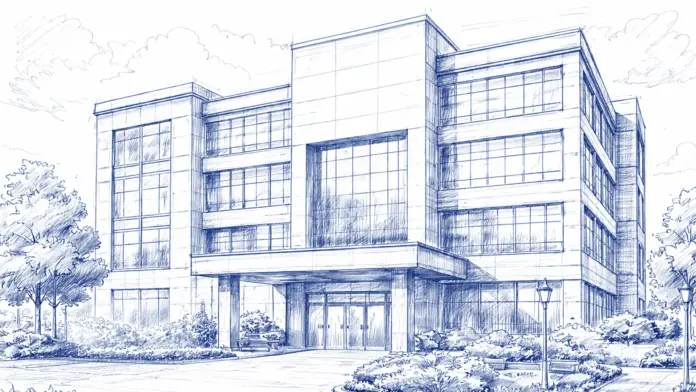
Gosnold – Stoughton Outpatient is an outpatient addiction treatment center and part of the Joint Commission accredited Gosnold network.
The program offers a partial hospitalization program and intensive outpatient program for adults managing substance use, mental health and co-occurring conditions.
It provides a structured and non residential path that helps clients balance recovery with work, school and family life.
What levels of care are offered?
The Stoughton site provides partial hospitalization, intensive outpatient treatment and outpatient therapy.
PHP meets Monday through Friday, 9:00 a.m. to 2:30 p.m., typically for three to five weeks, while IOP runs about six to eight weeks with group therapy, medication management and case management.
Together they create a step down pathway from day treatment to lower intensity care.
Who can get help here?
The adult PHP serves individuals age 18 and older, with a focus on co-occurring mental health and substance use needs.
Additional outpatient services support men and women, older adults and young adults, adolescents and LGBTQ+ clients, addressing concerns such as chronic relapse, trauma and anger, gambling and smoking cessation.
What treatment approaches are used?
Programs combine cognitive behavioral therapy, dialectical behavior therapy, psychoeducation and expressive therapy with psychiatric medication management and case management.
Medication assisted treatment, individual, couples and family counseling, and telepsychiatry are also available.
Where is the center located?
Gosnold – Stoughton Outpatient is at 909 Sumner Street in Stoughton, with PHP telehealth available across Massachusetts for clinically appropriate clients.
Do they take insurance?
The program accepts many plans, including Aetna, Blue Cross Blue Shield and Cigna, MassHealth and Medicare, Tricare and UnitedHealthcare, among others.
Latest Reviews
My family member was in this place. Nurse practitioner Liam McNeil was amazing. He went above and beyond to save their life. They ultimately passed away at another hospital, but we are so grateful for his efforts. The nurses were also awesome during the whole event.
Response from the owner1 week ago
Your recommendation means so much to us and we're so happy to have earned it. Thank you again for taking the time to let the world know about your positive experience. Have a great day!
My husband was at PAM for 2 wks and had just a great outcome.
Suggestions
1. More people put their name on the room board.
2. Bowel movement checked on regularly
3. Would prefer med dispensing happen at time of vitals taken
Wonderful nursing staff and they went beyond to do our requests of ice and juice and food.
Therapy was great ST, PT and OT
Response from the owner1 week ago
Diane Ventre, we are so happy to read such a great review about PAM Health Specialty Hospital of Stoughton! We also thank you for your feedback and recommendations. We will be sure to share with the team.
We are so grateful to PAM and the wonderful staff that took such good care of my Dad. Everyone from nurses, dietitians, speech, therapists, nursing aides, caseworkers and admin staff were wonderful and caring. We have a large family so he had lots of visitors during his time there and he was always clean and well cared for. Rarely did we have to wait on anything if we had a question. The staff always kept us well informed.
Liam his provider, Grace his aid, caseworker Amy, we will always be grateful for everything you did.
I would give ten stars if we could.
Response from the owner1 week ago
Your recommendation means so much to us and we're so happy to have earned it. Thank you again for taking the time to let the world know about your positive experience. Have a great day! 
Rehab Score
 Our Methodology
Scoring is assigned by a proprietary system which helps surface key metrics that determine quality. The 10-point scale factors in categories such as operations, customer satisfaction, and trust metrics. Read Full Methodology

6 / 10
Location
Other Forms of Payment
Private insurance refers to any kind of healthcare coverage that isn't from the state or federal government. This includes individual and family plans offered by an employer or purchased from the Insurance Marketplace. Every plan will have different requirements and out of pocket costs so be sure to get the full details before you start treatment.
Self-pay involves paying for treatment out of your own pocket. You can use savings or credit, get a personal loan, or receive help from family and friends to fund your treatment. If you don't have insurance or your insurance plan doesn't cover a specific program, self-pay can help ensure you still get the care you need.
Military members, veterans, and eligible dependents have access to specific insurance programs that help them get the care they need. TRICARE and VA insurance can help you access low cost or no cost addiction and mental health treatment. Programs that accept military insurance often have targeted treatment focused on the unique challenges military members, veterans, and their families face.
Medicaid is a state based program that helps lower-income individuals and families pay for healthcare. Medicaid covers addiction treatment so those enrolled can use their coverage to pay for rehab. When a program accepts Medicaid the client often pays very little or nothing out of their own pocket.
Addiction Treatments
Levels of Care
Outpatient Programs (OP) are for those seeking mental rehab or drug rehab, but who also stay at home every night. The main difference between outpatient treatment (OP) and intensive outpatient treatment (IOP) lies in the amount of hours the patient spends at the facility. Most of the time an outpatient program is designed for someone who has completed an inpatient stay and is looking to continue their growth in recovery. Outpatient is not meant to be the starting point, it is commonly referred to as aftercare.
Intensive outpatient programs (IOP) facilitate clients' sustained sobriety through high-level care aligned with their evolving needs. Clients engage in multiple treatment sessions per week, typically receiving between nine and 20 hours of outpatient care weekly. The frequency and intensity of treatment gradually decreases as clients stabilize. Many intensive outpatient rehabs offer a variety of services, including addiction counseling, recovery-focused life skills training, and medication assisted treatment (MAT). Evidence-based complementary therapies are also common.
Rehab aftercare programs offer customized, wraparound support for clients in the maintenance phase of recovery. Many clients enroll in drug rehab immediately after completing intensive inpatient or residential care. Services encompass outpatient treatment but often extend long beyond the completion of a formal recovery program and typically include a variety of medical, mental health, and social service programs. Peer coaching, relapse prevention, 12 step program induction, and related services are commonly available.
Recovery models based on 12 step programs feature extensive peer coaching and emphasize personal growth as a key to sustained sobriety. Regular attendance at 12 step meetings, which are anonymous, free, and available daily, is expected. The 12 steps of recovery are based on spiritual principles and support participants in addressing the root causes of their disease, accept responsibility for their choices, and accept that which is beyond their control. Self-selected sponsors provide one-one-mentoring.
A partial hospitalization program (PHP), also known as day treatment, allows you to receive rehab-level care while living at home. PHP treatment requires a minimum of 20 hours of treatment each week for an average of 90 days. PHP treatment plans can vary depending on your needs but typically includes relapse prevention, medication management, and evidence-based therapies, such as cognitive-behavioral therapy (CBT), and dialectical behavior therapy (DBT). Most insurance providers fully or partially cover PHP treatment.
Medically supervised detox is the process of removing addictive substances from your body and managing the withdrawal symptoms in a medically supervised environment. Typically, this is the first step in the recovery process and lasts an average of 5-7 days, though the length can vary depending on your individual needs. Once your system is cleared of alcohol and drugs, you'll likely transition to an inpatient treatment program for the next phase of your recovery.
Treatments
The goal of treatment for alcoholism is abstinence. Those with poor social support, poor motivation, or psychiatric disorders tend to relapse within a few years of treatment. For these people, success is measured by longer periods of abstinence, reduced use of alcohol, better health, and improved social functioning. Recovery and Maintenance are usually based on 12 step programs and AA meetings.
Addiction is a highly complex problem, and drug rehab in Massachusetts is often necessary to address it. These programs treat physical, mental, and relational issues that are involved. Treatment empowers individuals to manage these issues without the use of drugs.
Substance rehabs focus on helping individuals recover from substance abuse, including alcohol and drug addiction (both illegal and prescription drugs). They often include the opportunity to engage in both individual as well as group therapy.
Programs
Adult rehab programs include therapies tailored to each client's specific needs, goals, and recovery progress. They are tailored to the specific challenges adult clients may face, including family and work pressures and commitments. From inpatient and residential treatment to various levels of outpatient services, there are many options available. Some facilities also help adults work through co-occurring conditions, like anxiety, that can accompany addiction.
Young adulthood can be an exciting, yet difficult, time of transition. Individuals in their late teens to mid-20s face unique stressors related to school, jobs, families, and social circles, which can lead to a rise in substance use. Rehab centers with dedicated young adult programs will include activities and amenities that cater to this age group, with an emphasis on specialized counseling, peer socialization, and ongoing aftercare.
Serving in the military is both mentally and physically challenging, and can result in trauma that persists even after combat ends. Military programs are tailored to the specific and often complex needs of active duty personnel, veterans, and military families. Clients often access these programs through the U.S. Department of Veterans Affairs (VA).
Clinical Services
Cognitive Behavioral Therapy (CBT) is a therapy modality that focuses on the relationship between one's thoughts, feelings, and behaviors. It is used to establish and allow for healthy responses to thoughts and feelings (instead of unhealthy responses, like using drugs or alcohol). CBT has been proven effective for recovering addicts of all kinds, and is used to strengthen a patient's own self-awareness and ability to self-regulate. CBT allows individuals to monitor their own emotional state, become more adept at communicating with others, and manage stress without needing to engage in substance abuse.
If you are experiencing intense, negative emotions, dialectical behavior therapy can help you learn how to regulate painful emotions and manage the interpersonal situations that generate them. This method is often used during substance use treatment in Massachusetts to help you develop better coping skills and avoid relapse.
Group therapy is any therapeutic work that happens in a group (not one-on-one). There are a number of different group therapy modalities, including support groups, experiential therapy, psycho-education, and more. Group therapy involves treatment as well as processing interaction between group members.
In individual therapy, a patient meets one-on-one with a trained psychologist or counselor. Therapy is a pivotal part of effective substance abuse treatment, as it often covers root causes of addiction, including challenges faced by the patient in their social, family, and work/school life.
Couples therapy in Massachusetts is a short term therapy designed to equip you both with the skills you need to address conflicts and challenges in your relationship. During sessions, your counselor may meet with you individually and together.
During family therapy, the therapist works with every member of the family unit to understand the role they play in their loved one's addiction. By addressing these patterns, family members learn healthier ways to interact with each other and contribute to a more effective recovery journey for the family member who is addicted.
Staff & Accreditations
Staff

Richard Curcuru
President & CEO
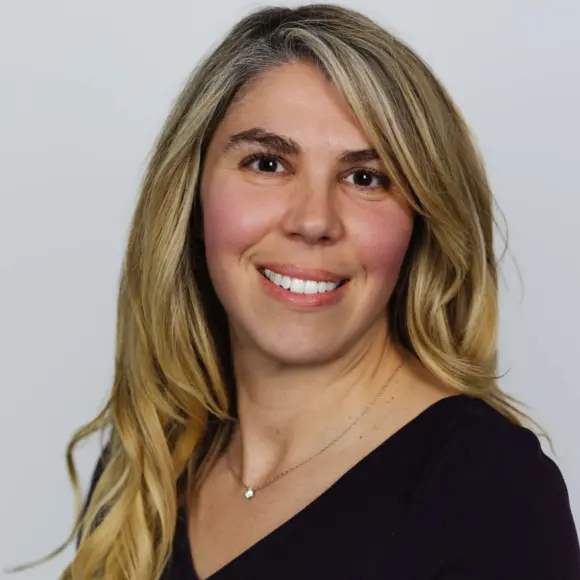
Allie Anderson
Chief Clinical Officer
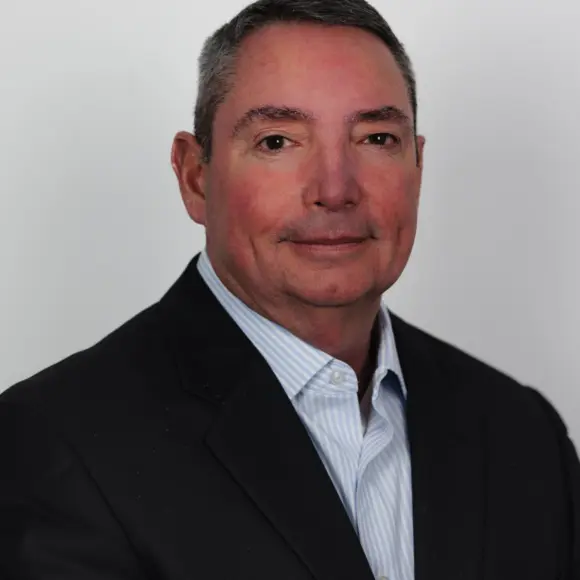
Michael Cawley
Chief Human Resources Officer

Jeff Modestino
CFO
Accreditations

The Joint Commission, formerly known as JCAHO, is a nonprofit organization that accredits rehab organizations and programs. Founded in 1951, the Joint Commision's mission is to improve the quality of patient care and demonstrating the quality of patient care.
Joint Commission Accreditation: Yes
Rehab.com regularly reviews this listing for accuracy but changes may occur between updates. For the most up-to-date information, please contact Gosnold – Stoughton Outpatient.
Contact Information

909 Sumner Street
Stoughton, MA 02072
Get Help Now - 617-862-0388
Sponsored Helpline
Sponsored Helpline


