












Jaywalker Lodge
1
Top 10 Rehab Centers In Carbondale

























































































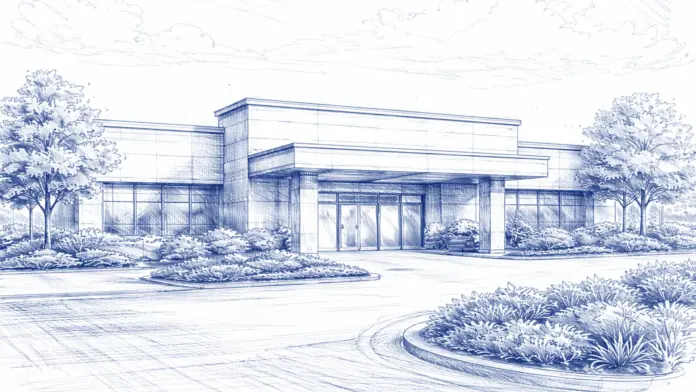
Klarisana is a ketamine treatment center in Denver, Colorado specializing in innovative mental health care for adults struggling with depression, anxiety, PTSD, and chronic pain. They can also provide ketamine therapy for addiction recovery.
Klarisana offers outpatient ketamine therapy services through both in person and telehealth formats. With a focus on evidence based mental health treatment, the center serves all genders and provides specialized support for veterans and first responders facing unique challenges.
Klarisana provides outpatient ketamine therapy as a primary treatment modality for conditions such as depression, anxiety, PTSD and other mood disorders. Clients begin with an assessment to determine eligibility and develop a personalized treatment plan that aligns with their mental health needs.
Ketamine therapy sessions are delivered in a comfortable, supervised environment where clients receive support throughout the process. The center combines this innovative treatment approach with ongoing monitoring to help individuals achieve relief from symptoms and improve overall well being, making mental health care accessible through flexible in person and telehealth options.
To begin treatment at Klarisana in Denver, prospective clients can schedule an assessment to discuss their mental health needs and determine if ketamine therapy is appropriate. The admissions team will verify insurance benefits, explain payment options and answer questions about the treatment process.

 Our Methodology


Private insurance refers to any kind of healthcare coverage that isn't from the state or federal government. This includes individual and family plans offered by an employer or purchased from the Insurance Marketplace. Every plan will have different requirements and out of pocket costs so be sure to get the full details before you start treatment.
Self-pay involves paying for treatment out of your own pocket. You can use savings or credit, get a personal loan, or receive help from family and friends to fund your treatment. If you don't have insurance or your insurance plan doesn't cover a specific program, self-pay can help ensure you still get the care you need.
Financing your treatment can make treatment more accessible. You'll work with your care provider to set up payment plans, including interest rates and repayment timelines. Financing options vary widely and not all programs offer them, so be sure to get the full details before enrolling in treatment. If you have insurance or other benefits, financing may help you cover your remaining out of pocket expenses.
Outpatient rehabs offer a wide variety of services and levels of care to align with clients' unique and evolving needs. Outpatient care is best suited for clients who are stable and for those who wish to remain at home while receiving treatment. Clients typically receive addiction counseling and recovery-focused life skills training, including participating in evening, night, and weekend sessions to accommodate clients' schedules. Clients at an increased relapse risk may receive more frequent and intensive treatment.
A telehealth visit with your healthcare provider is similar to a traditional visit, but you and your health care provider can be in different locations. You'll "meet" with them online, using a healthcare app, video call, or phone call.
Professional services are often necessary to recover from addiction. Drug rehab in Colorado provides the expert services needed to address the complex issues of addiction and help individuals start their recovery journey.
Colorado offers a range of substance abuse treatment programs that encompass various levels of care to meet your specific needs. These addiction treatment programs often encompass medical detox, outpatient, inpatient, and partial hospitalization programs. You'll find each program includes individual and group therapy, and educational groups to provide you with the tools to achieve and sustain your recovery.
With residential addiction treatment, you live in a rehab facility while receiving mental health services. Rehabs offer 24/7 care provided by clinical and mental health staff. A typical inpatient program lasts 28-30 days, but some last for several months. Standard mental health services include group and individual counseling, with addiction and relapse prevention education. Amenities, like recreational offerings, vary by facility.
Colorado offers dual-diagnosis addiction treatment programs that encompass various levels of care to meet your individual needs, including medical detox, outpatient, inpatient, and partial hospitalization programs for individuals with co-occurring mental health and substance use disorders. These dual-diagnosis rehab programs incorporate evidence-based therapies such as cognitive-behavioral therapy (CBT) or dialectical behavior therapy (DBT) to successfully address substance use disorders and co-occurring diagnoses.
Adult rehab programs include therapies tailored to each client's specific needs, goals, and recovery progress. They are tailored to the specific challenges adult clients may face, including family and work pressures and commitments. From inpatient and residential treatment to various levels of outpatient services, there are many options available. Some facilities also help adults work through co-occurring conditions, like anxiety, that can accompany addiction.
Serving in the military is both mentally and physically challenging, and can result in trauma that persists even after combat ends. Military programs are tailored to the specific and often complex needs of active duty personnel, veterans, and military families. Clients often access these programs through the U.S. Department of Veterans Affairs (VA).
 Metropolitan Area
1240 S Parker Rd Suite 100, Denver, CO 80231
Sponsored Helpline
 Back
Back
Sharing your insights and experiences can help others learn more about this rehab center.