The Recovery Village Ridgefield Drug and Alcohol Rehab
1
Top 10 Rehab In Ridgefield













































































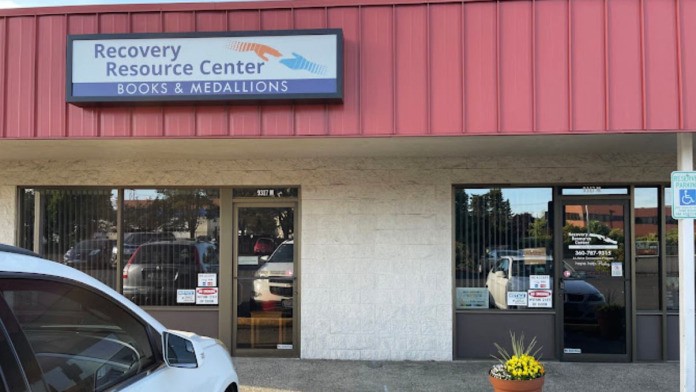
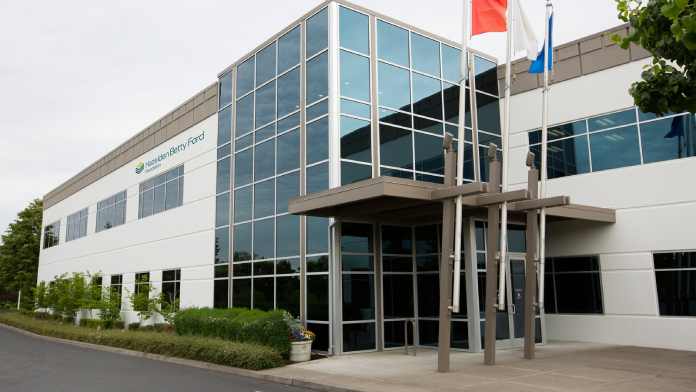
Lifeline Connections has a network of community CARF-accredited substance use and mental health treatment centers throughout Washington. They offer detox, medication assisted treatment (MAT), and other outpatient social services. Their Recovery Resource Center in Vancouver, Washington, offered resources for individuals in recovery and to loved ones impacted by mental health and substance use disorders.
Lifeline Connections is still open, but the Recovery Resource Center permanently closed on October 31, 2024. Individuals may still seek care through the organization in their other Vancouver facility. The organization is in network with most major insurance plans and self-pay options.
The former Recovery Resource Center offered services for all individuals, not only those in the treatment programs. They had peer counselors, education classes and self-help meetings. Individuals had access to a computer lab and a monthly calendar detailing the meetings and offerings.
Currently, clients can still receive outpatient MAT through the organization’s Vancouver facility on East Fourth Plain Boulevard. Staffers offer special tracks for the hard of hearing and deaf, peer support and assessments as well as supportive services.


 Our Methodology


Private insurance refers to any kind of healthcare coverage that isn't from the state or federal government. This includes individual and family plans offered by an employer or purchased from the Insurance Marketplace. Every plan will have different requirements and out of pocket costs so be sure to get the full details before you start treatment.
Self-pay involves paying for treatment out of your own pocket. You can use savings or credit, get a personal loan, or receive help from family and friends to fund your treatment. If you don't have insurance or your insurance plan doesn't cover a specific program, self-pay can help ensure you still get the care you need.
Completing a drug or alcohol rehab program shouldn't spell the end of substance abuse treatment. Aftercare involves making a sustainable plan for recovery, including ongoing support. This can include sober living arrangements like halfway houses, career counseling, and setting a patient up with community programs like Alcoholics Anonymous (AA) or Narcotics Anonymous (NA).
A combined mental health and substance abuse rehab has the staff and resources available to handle individuals with both mental health and substance abuse issues. It can be challenging to determine where a specific symptom stems from (a mental health issue or an issue related to substance abuse), so mental health and substance abuse professionals are helpful in detangling symptoms and keeping treatment on track.
Group therapy is any therapeutic work that happens in a group (not one-on-one). There are a number of different group therapy modalities, including support groups, experiential therapy, psycho-education, and more. Group therapy involves treatment as well as processing interaction between group members.
President & CEO
CFO
COO
Chief Clinical Officer

The Commission on Accreditation of Rehabilitation Facilities (CARF) is a non-profit organization that specifically accredits rehab organizations. Founded in 1966, CARF's, mission is to help service providers like rehab facilities maintain high standards of care.
CARF Accreditation: Yes


Went to a self help meeting

Real helpful

Awesome place! David was great. Got some coins & resources!
 Back
Back
Sharing your insights and experiences can help others learn more about this rehab center.