Mr Archie Kicked me out and ms Emma backed him up on kicking me out. I got kicked out for reacting to someone putting finger nails in my cake. They allow disrespect. There's drug use in the building and it has cockroaches.
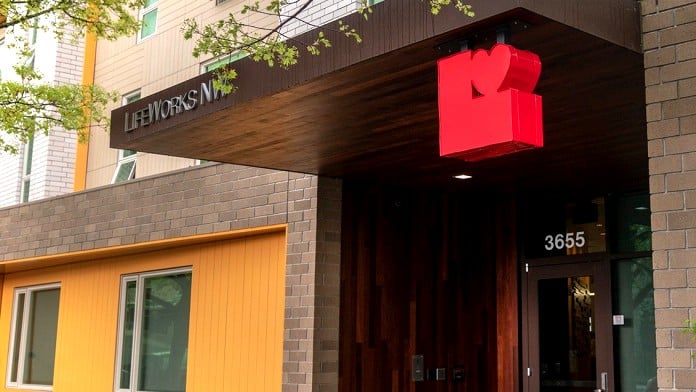
About LifeWorks NW – Northeast Portland
In addition to these services, they provide vocational help through their supported employment program and holistic care options to complement their evidence-based treatments
The facilities they offer ensure a whole-health approach to treatment. Clinicians will communicate with clients about how they feel overall and conduct a health evaluation to determine how they can best help. In outpatient treatment, staff members not only want to treat the addiction but also treat any mental health issues that may be causing the addiction. One specialized program I like that they have is the DUII program.



This is a program certified by the state of Oregon that’s designed to help clients who were referred to the facility by the criminal justice system heal from substance use. Clients are provided a plan for maintaining abstinence that complies with court requirements.
Clients will attend individual, one or more weekly group sessions and receive education on the dangers of substance use. When providing help to youth with addiction issues. Any client who is interested in peer support can ask the clinician about the option of including that service with their clinical treatment.
Latest Reviews
Rehab Score
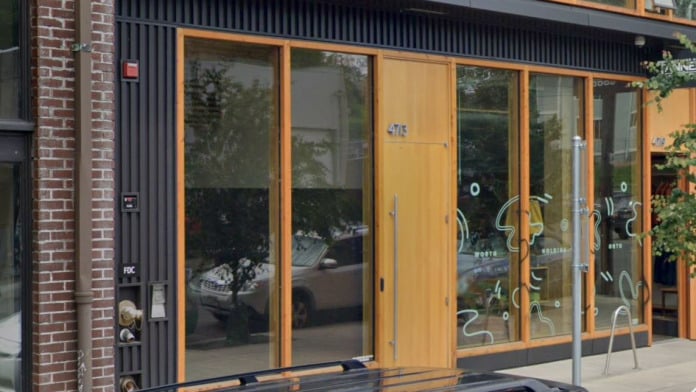
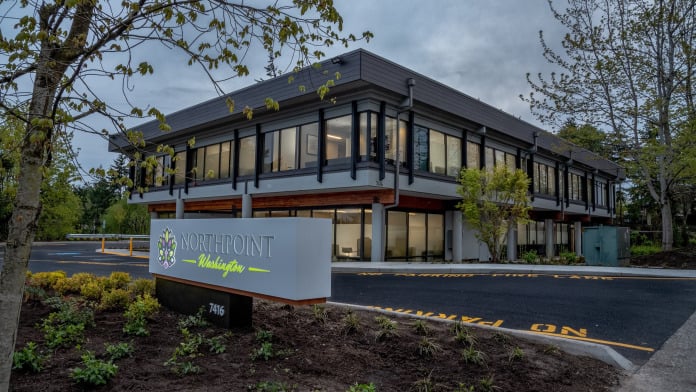
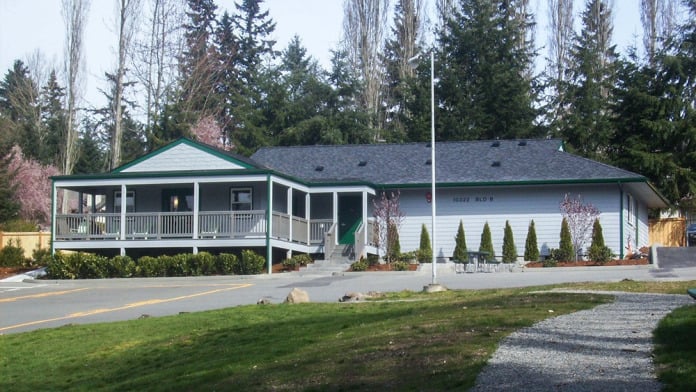
Gallery
Accepted Insurance
Other Forms of Payment
Private insurance refers to any kind of healthcare coverage that isn't from the state or federal government. This includes individual and family plans offered by an employer or purchased from the Insurance Marketplace. Every plan will have different requirements and out of pocket costs so be sure to get the full details before you start treatment.
Self-pay involves paying for treatment out of your own pocket. You can use savings or credit, get a personal loan, or receive help from family and friends to fund your treatment. If you don't have insurance or your insurance plan doesn't cover a specific program, self-pay can help ensure you still get the care you need.
Financial aid can take many forms. Centers may have grants or scholarships available to clients who meet eligibility requirements. Programs that receive SAMHSA grants may have financial aid available for those who need treatment as well. Grants and scholarships can help you pai for treatment without having to repay.
Sliding scale payments are based on a client's income and family size. The goal is to make treatment affordable to everyone. By taking these factors into account, addiction recovery care providers help ensure that your treatment does not become a financial burden to you or your family, eliminating one barrier to care.
Medicaid is a state based program that helps lower-income individuals and families pay for healthcare. Medicaid covers addiction treatment so those enrolled can use their coverage to pay for rehab. When a program accepts Medicaid the client often pays very little or nothing out of their own pocket.
Addiction Treatments
Levels of Care
Clients who wish to remain in their homes while in recovery may elect to enroll in an outpatient rehab, many of which offer evening, night, and weekend services to accommodate clients' schedules. Most outpatient facilities provide multiple levels of care to align with clients' evolving needs, including partial hospitalization (PHP) and intensive outpatient (IOP) for clients who require robust support and supervision. Addiction counseling and recovery-focused life skills training are the most common treatment modalities.
Residential treatment programs are those that offer housing and meals in addition to substance abuse treatment. Rehab facilities that offer residential treatment allow patients to focus solely on recovery, in an environment totally separate from their lives. Some rehab centers specialize in short-term residential treatment (a few days to a week or two), while others solely provide treatment on a long-term basis (several weeks to months). Some offer both, and tailor treatment to the patient's individual requirements.
Intensive outpatient programs provide robust, high-frequency care for clients in early recovery and those at an increased risk of relapse. Clients are generally expected to participate in nine to 20 hours of treatment per week, with the number and duration of sessions decreasing as clients stabilize. Intensive outpatient treatment often combines psychotherapy, including individual, group, and family counseling, with addiction and recovery education. Medication assisted treatment (MAT) and holistic therapies are also common.

A drug intervention in Oregon must begin with pre-intervention planning. Intervention services provide a specialist who interviews family members to understand the dynamics involved, including enabling behaviors. Based on this research, the interventionist will develop a plan for the intervention and suggested treatment. Then, the interventionist and family members will conduct the intervention, guided by the specialist. This professional involvement helps improve outcomes for interventions.
A partial hospitalization program (PHP) is a more intensive form of outpatient and can be a step-down service in substance use disorder treatment. During PHP treatment, which lasts 4-8 hours per day and up to 5 days a week, you'll participate in daily therapeutic services (relapse prevention, medication management, and behavioral therapy) for an average of 90 days. The cost of PHP treatment varies, but it is typically covered by insurance providers.
24-hour clinical care in Oregon offers a safe place for those experiencing withdrawal to recover in a medical detox program. Around-the-clock care lessens the risk of serious withdrawal symptoms and provides a more comfortable detox process. With medical staff on-site, more serious symptoms are less likely to develop and pose health threats. Medications and nutritional treatment can be provided, as well as mental health treatment to address any co-occurring disorders.
Drug and alcohol addiction often takes a heavy toll on one's body. Over time, a physical dependence can develop, meaning the body physiologically needs the substance to function. Detox is the process of removing drugs and/or alcohol from the body, a process that can be lethal if mismanaged. Medical detox is done by licensed medical professionals who monitor vital signs and keep you safe, healthy, and as comfortable as possible as you go through detox and withdrawal.


Treatments
The goal of treatment for alcoholism is abstinence. Those with poor social support, poor motivation, or psychiatric disorders tend to relapse within a few years of treatment. For these people, success is measured by longer periods of abstinence, reduced use of alcohol, better health, and improved social functioning. Recovery and Maintenance are usually based on 12 step programs and AA meetings.
Drug rehab in Oregon offers a full continuum of care for those struggling with addiction. From detox, to inpatient, to outpatient, to aftercare, Oregon residents can find the support they need for recovery. This treatment empowers individuals to replace drug use with positive alternatives and develop a healthier lifestyle.
A combined mental health and substance abuse rehab has the staff and resources available to handle individuals with both mental health and substance abuse issues. It can be challenging to determine where a specific symptom stems from (a mental health issue or an issue related to substance abuse), so mental health and substance abuse professionals are helpful in detangling symptoms and keeping treatment on track.
Opioid rehabs specialize in supporting those recovering from opioid addiction. They treat those suffering from addiction to illegal opioids like heroin, as well as prescription drugs like oxycodone. These centers typically combine both physical as well as mental and emotional support to help stop addiction. Physical support often includes medical detox and subsequent medical support (including medication), and mental support includes in-depth therapy to address the underlying causes of addiction.
Programs
Adult rehab programs include therapies tailored to each client's specific needs, goals, and recovery progress. They are tailored to the specific challenges adult clients may face, including family and work pressures and commitments. From inpatient and residential treatment to various levels of outpatient services, there are many options available. Some facilities also help adults work through co-occurring conditions, like anxiety, that can accompany addiction.
Young adulthood can be an exciting, yet difficult, time of transition. Individuals in their late teens to mid-20s face unique stressors related to school, jobs, families, and social circles, which can lead to a rise in substance use. Rehab centers with dedicated young adult programs will include activities and amenities that cater to this age group, with an emphasis on specialized counseling, peer socialization, and ongoing aftercare.
Recovery is most successful when clients feel accepted and validated by their peers and treatment providers. Facilities that offer LGBTQ-inclusive programming are committed to creating a safe space where everyone can grow and recover without fear of judgment or discrimination. They will have dedicated policies in place to create a safe and supportive environment that fosters free expression.
Clinical Services
The six main elements of dialectical behavior therapy are designed to help you develop skills for recovery. These are related to: 1. Accepting your circumstances 2. Learning new skills 3. Receiving support 4. Learning positive behavioral responses 5. Changing negative thought patterns 6. Building collaboration skills.
Group therapy is any therapeutic work that happens in a group (not one-on-one). There are a number of different group therapy modalities, including support groups, experiential therapy, psycho-education, and more. Group therapy involves treatment as well as processing interaction between group members.
In individual therapy, a patient meets one-on-one with a trained psychologist or counselor. Therapy is a pivotal part of effective substance abuse treatment, as it often covers root causes of addiction, including challenges faced by the patient in their social, family, and work/school life.
Viewed as a method of communication rather than an intervention, motivational interviewing is an evidence based approach to rehab treatment in Oregon. The principles of this method have a common sense appeal and are readily applied to many therapeutic programs. Core strategies include acceptance, listening, and summarizing.
During trauma theory, you can explore the impact that traumatic events had on your life in a safe and supportive space. Your therapist will guide you in understanding your emotional and physical trauma responses while helping you to develop better coping skills so you can reclaim your life.
Whether a marriage or other committed relationship, an intimate partnership is one of the most important aspects of a person's life. Drug and alcohol addiction affects both members of a couple in deep and meaningful ways, as does rehab and recovery. Couples therapy and other couples-focused treatment programs are significant parts of exploring triggers of addiction, as well as learning how to build healthy patterns to support ongoing sobriety.
Research clearly demonstrates that recovery is far more successful and sustainable when loved ones like family members participate in rehab and substance abuse treatment. Genetic factors may be at play when it comes to drug and alcohol addiction, as well as mental health issues. Family dynamics often play a critical role in addiction triggers, and if properly educated, family members can be a strong source of support when it comes to rehabilitation.
Life skills training is customized to fit your circumstances and needs. It allows you to rebuild the skills you've lost to addiction and regain control of daily life. It provides the necessary social, psychological, and physical skills you need for recovery.
Recreational therapy is often offered within a holistic treatment center that addresses drug and alcohol addiction treatment. It integrates activities like hiking, art, and team sports to improve physical and mental health. These activities give you an outlet to express your emotions and reduce your stress levels while fostering social connections.
Amenities
-
Residential Setting
-
Private Rooms
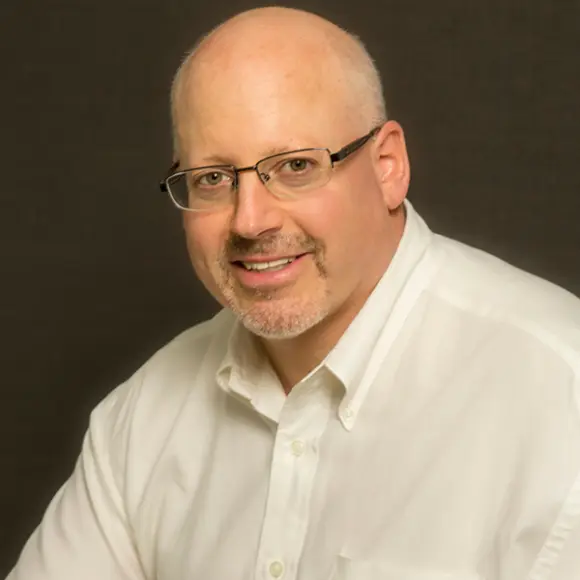
Staff
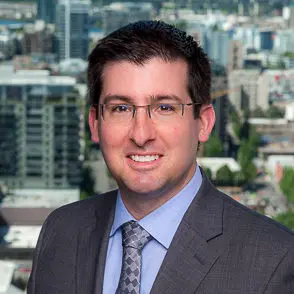
Sean Jessup
Vice Chair
Tyler Anderson
Officer at Large
Mary Ellen Glynn
Secretary
Eric Martin
Treasurer
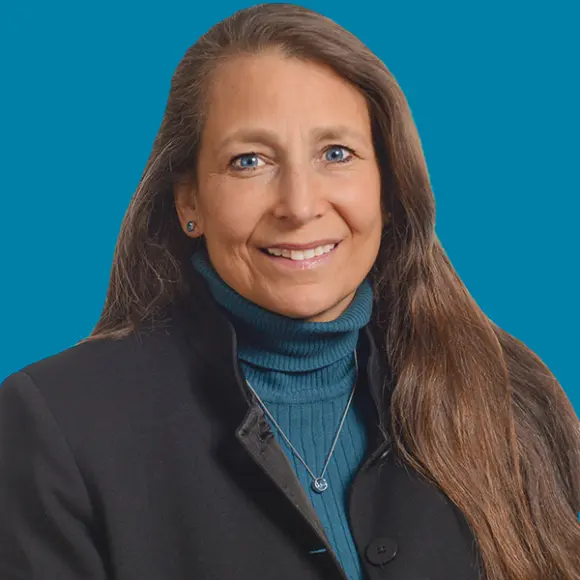
Tamy Linver
Board Chair
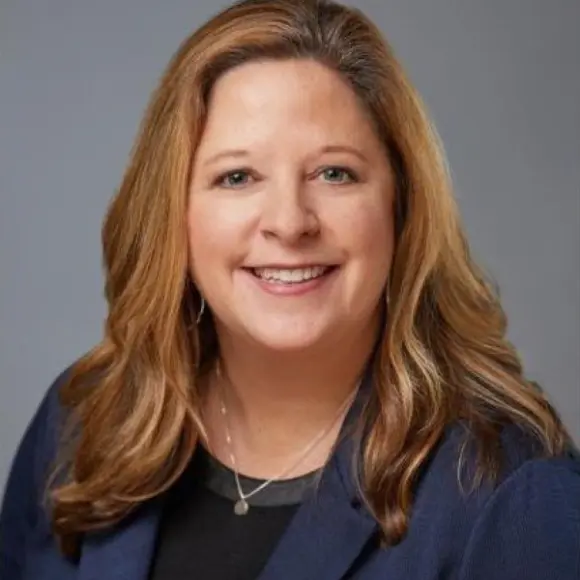
Jody Pfeifer
Past Board Chair
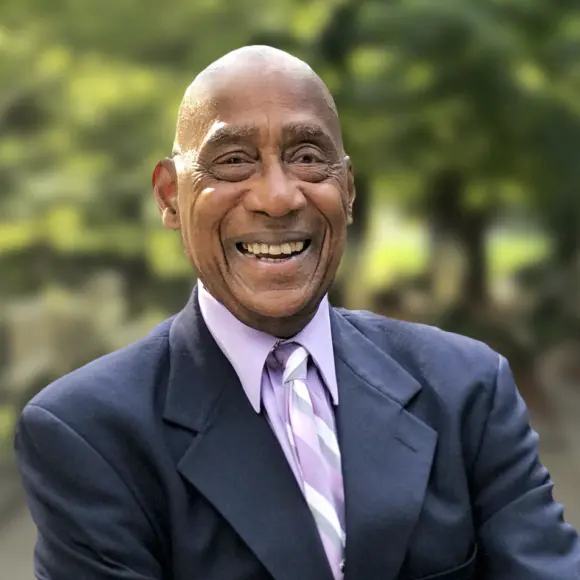
Ed Washington
Director Emeritus
Mark Lewinsohn, Ph.D.
Vice President of Clinical Services
Contact Information
3716 NE Martin Luther King Jr Blvd
Portland, OR 97212