












Footprints to Recovery Addiction Treatment Centers
1
Top 10 Rehab Centers In Centennial



















































































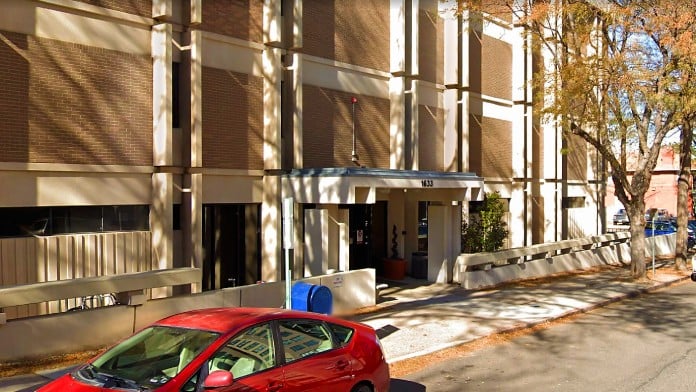
The Mile High Recovery Center of Denver, Colorado is a drug and alcohol rehab offering a full continuum of care from detox to aftercare. Founded in 2016, they’re Joint Commission accredited. With strong ties to the Denver recovery community, they seek to promote compassion and a judgement free environment. Clients say they have a great variety of programs and that the staff is super supportive, friendly, and understanding.
In addition to medication assisted therapy (MAT) with Suboxone and Vivitrol for opioid addiction or alcohol addiction, they offer a wide range of modalities to assist you on your recovery journey.In addition to different approaches in therapy, they’ll introduce you to 12 step programs and use more unique techniques like acceptance and commitment therapy and motivational enhancement therapy. There’s also a nutritional education program, yoga, and meditation.
MET, one of the more advanced treatments they have here, is an evidence based approach that assists people in identifying the benefits and drawbacks of their current behaviors. With open ended questions and reflective listening, therapists use several key principles to guide the conversation.
They first foster empathy by creating a safe and supportive environment, then develop discrepancy by helping you to identify the gap between your current behavior and the future that you desire. Rolling with resistance acknowledges a person’s natural resistance to change. Supporting self efficacy entails building the belief that you have the power to make positive change.
For a more hands on approach, they provide experiential therapy, equine therapy, and adventure therapy. Adventure therapy focuses on resilience and inner strength, combating the dependence and loss of power that addiction represents. It brings about physical and mental wellbeing while promoting a positive outlook, and helps to manage stress while developing an ability to focus. Adventure therapy encourages healthy goal setting and coping mechanisms. It also builds self esteem, addressing the link between low self esteem and addiction.

 Our Methodology


Private insurance refers to any kind of healthcare coverage that isn't from the state or federal government. This includes individual and family plans offered by an employer or purchased from the Insurance Marketplace. Every plan will have different requirements and out of pocket costs so be sure to get the full details before you start treatment.
Outpatient Programs (OP) are for those seeking mental rehab or drug rehab, but who also stay at home every night. The main difference between outpatient treatment (OP) and intensive outpatient treatment (IOP) lies in the amount of hours the patient spends at the facility. Most of the time an outpatient program is designed for someone who has completed an inpatient stay and is looking to continue their growth in recovery. Outpatient is not meant to be the starting point, it is commonly referred to as aftercare.
Clients entering an inpatient rehab typically require more intensive treatment than those in outpatient care. Clients often start inpatient treatment immediately after completing a detox program. Upon admission, they engage in extensive psychotherapy, receive recovery-focused life skills training, and participate in evidence-based complementary therapies, such as meditation, massage, acupuncture, and/or animal, creative arts, recreational, and experiential therapy.
Clients receiving care in an intensive outpatient program (IOP) engage in a minimum of nine hours of treatment per week on average. However, many intensive outpatient rehabs offer up to 20 therapeutic hours weekly. IOP services are ideal for those in early recovery or who are at an elevated risk of relapse. IOP may be chosen in lieu of inpatient rehab. Treatment modalities typically include psychotherapy, life skills training, medication assisted treatment (MAT), and holistic care.
Addiction recovery based on a 12 step program model is rooted in peer support and spiritual development. Participants regularly attend 12 step meetings, which are free, anonymous, peer-led, and available throughout the day and night in most communities. Clients' recovery is achieved progressively as they work through the 12 steps, which teach them to understand and address the root causes of their addiction, become accountable for their choices, and relinquish control over that which cannot be changed.
A partial hospitalization program (PHP) is a short-term form of intensive rehab, usually for those with acute symptoms that are hard to manage but don’t require 24-hour care. PHPs have structured programming (i.e. individual and/or group therapy), and usually meet 3-5 days a week for around 6 hours (i.e. 9am-3m). Some PHPs are residential (patients sleep on site) and some are not, so patients sleep at home. PHPs can last from 1-6 months, and some offer transportation and meals.
The process of medically assisted detox usually takes place in an inpatient setting while under the 24/7 care of a team of licensed medical professionals. It's considered the safest way to rid the body of all addictive substances and prepare you for a transition into either an inpatient program or various forms of outpatient rehab. The program length varies depending on your needs, but it typically takes about 5-7 days.
A combined mental health and substance abuse rehab has the staff and resources available to handle individuals with both mental health and substance abuse issues. It can be challenging to determine where a specific symptom stems from (a mental health issue or an issue related to substance abuse), so mental health and substance abuse professionals are helpful in detangling symptoms and keeping treatment on track.
Adult rehab programs include therapies tailored to each client's specific needs, goals, and recovery progress. They are tailored to the specific challenges adult clients may face, including family and work pressures and commitments. From inpatient and residential treatment to various levels of outpatient services, there are many options available. Some facilities also help adults work through co-occurring conditions, like anxiety, that can accompany addiction.
The main principle of cognitive behavioral therapy (CBT) in Colorado is that substance use disorders are based on faulty thinking and behavior patterns. The goal of this treatment is to help the individual learn better ways of coping with challenges, which will lead to changes in thinking and behavior.
Dialectical behavior therapy is skills based and present oriented. You'll be asked to keep a diary of emotions and related behaviors and practice the skills you've been learning between sessions. The focus of skills development is on mindfulness, distress tolerance, emotion regulation, and interpersonal effectiveness.
 Equine Therapy
Group therapy is any therapeutic work that happens in a group (not one-on-one). There are a number of different group therapy modalities, including support groups, experiential therapy, psycho-education, and more. Group therapy involves treatment as well as processing interaction between group members.
In individual therapy, a patient meets one-on-one with a trained psychologist or counselor. Therapy is a pivotal part of effective substance abuse treatment, as it often covers root causes of addiction, including challenges faced by the patient in their social, family, and work/school life.
Therapists who employ motivational interview techniques seek to draw out the client's ideas about change and allow them to draw their own conclusions about the need for change. This method is often effective for clients who feel unsure about their ability to change or the need for change.
During trauma therapy, you explore the impact that a traumatic event has had on your life. Your therapist can help you develop strategies to manage the emotional and physical symptoms while improving emotional regulation. This improves your overall quality of life.
Based on the couple's needs, couples therapy may take different forms. Your therapist will probably take an integrated approach, using techniques from several methods such as cognitive behavioral therapy and psychodynamic couple's therapy. The goal is to work through challenges and strengthen your relationship.
 Eye Movement Desensitization And Reprocessing
Research clearly demonstrates that recovery is far more successful and sustainable when loved ones like family members participate in rehab and substance abuse treatment. Genetic factors may be at play when it comes to drug and alcohol addiction, as well as mental health issues. Family dynamics often play a critical role in addiction triggers, and if properly educated, family members can be a strong source of support when it comes to rehabilitation.
Life skills are traits you need to be successful during recovery, such as managing stress and interpersonal relationships. During rehab treatment in Colorado, you and your therapist will identify any skills that need to be developed and work on methods to strengthen them.
The right diet balances your body's dopamine levels, which are the natural "happy drugs" of the brain. Nutrition therapy helps you learn the best foods to eat to achieve and maintain this balance, which supports long term addiction recovery.
Addiction therapy uses recreation to provide structured activities that replace substance use with positive experiences. For example, swimming, cooking classes, and hiking trips encourage social interaction and improve physical health and emotional stability. This helps you rebuild your life without relying on drugs or alcohol.
 Yoga Studio
  Residential Setting
Chief Executive Officer
Medical Director

Clinical Director
Chief Financial Officer

Operations Manager

LegitScript has reviewed Mile High Recovery Center as part of their certification program, and has determined that it meets the LegitScript standards for legality, safety and transparency.
LegitScript verified in October 2020

The Joint Commission, formerly known as JCAHO, is a nonprofit organization that accredits rehab organizations and programs. Founded in 1951, the Joint Commision's mission is to improve the quality of patient care and demonstrating the quality of patient care.
Joint Commission Accreditation: Yes
Rehab.com regularly reviews this listing for accuracy but changes may occur between updates. For the most up-to-date information, please contact Mile High Recovery Center.

1201 E Colfax Ave
Denver, CO 80218
Sponsored Helpline

This place saved my life. If you are honest with yourself and you DO THE WORK, you will succeed. I loved the staff and the sense of community.


My experience with Mile High Recovery left me deeply disappointed, particularly regarding how my personal property, privacy, and access to my own technology were handled. One of the most troubling issues was my loss of access to my own iPhone, cellular service, Apple Account, Google account, and other personal technology. I was placed in a position where access to my phone and authentication methods was restricted, including circumstances involving two-factor authentication. For a recovery organization, taking away someone’s ability to communicate, access accounts, contact outside advocates, or manage basic personal affairs is an extremely serious matter. I previously addressed this concern in an Apple App Store review because I believe the technology and account-access issues deserve public scrutiny as well. My concern is not simply about an app—it is about whether a recovery provider should ever use control over technology or account access as leverage over a client. I also became increasingly concerned about how grievances and advocacy were handled. A person receiving recovery services should be able to raise concerns, contact an ombudsman or appropriate oversight organization, communicate with family or advocates, and maintain reasonable access to their personal property without feeling that doing so will result in retaliation or further loss of autonomy. Recovery is supposed to help people rebuild independence. Removing someone’s access to their own phone, accounts, property, and outside communication feels fundamentally inconsistent with that mission. I am sharing this review because I believe prospective clients and their families deserve to ask difficult questions before trusting a recovery provider with vulnerable people: * How are clients’ personal phones and electronic devices handled? * Can clients maintain access to their own Apple/Google accounts and authentication? * What happens when a client files a grievance? * Can clients independently contact an ombudsman or outside advocate? * What policies govern personal property and account access? * What safeguards exist against retaliation? I hope Mile High Recovery takes these concerns seriously and provides meaningful accountability and a clear explanation of its policies. People entering recovery deserve dignity, transparency, privacy, and a path toward independence—not fewer avenues to communicate and advocate for themselves.

Mile high has been a great support in my recovery. They offer group therapy and peer coaching for getting back on your feet. Great staff that really care.
 Back
Back
Sharing your insights and experiences can help others learn more about this rehab center.