



































































































About Oxford House Gravois
The Power of Peer Support
They provide a place for peers in recovery to live together and support one another to achieve a safer and healthier lifestyle. Their program prioritizes self determination, disciplined democracy and peer support among residents. Each element has proven to be a key component in avoiding relapse.
A Democratic Environment
What’s particularly unique about this facility is that individuals have free rein to stay at this home for as long as they need. Residency is contingent on clients’ commitment to remain drug and alcohol free, pay their share of living expenses and abide by house rules. This means you could remain a resident at Oxford House Gravois for a matter of months or a few years. The average length of stay is about a year.
All Oxford House residences are democratically self run. This means that household residents select officers from their peers who serve the household community. Every resident has an equal vote to ensure an egalitarian living arrangement that promotes recovery. Whoever is elected will serve for a term of six months before elections begin again.
Since the home strictly enforces its commitment to sober living any member caught breaking the rules will be immediately expelled, so it is essential to remember this before enrolling.
Proven Success
Another interesting fact about the Oxford House residences is that DePaul University studied the program across 25 years. They released their summary report,in 2016 showing that Oxford House’s sober living programs can be highly beneficial to lasting recovery.
Recovery in Beautiful Saint Louis
If you become a resident you can visit attractions like nearby botanical gardens, art museums, and related cultural attractions offered in the Saint Louis metropolitan area. These resources offer peaceful settings for meditation and relaxation and opportunities for sober social activities.
Facility Overview
 $35
$35 
Rehab Score
 Our Methodology


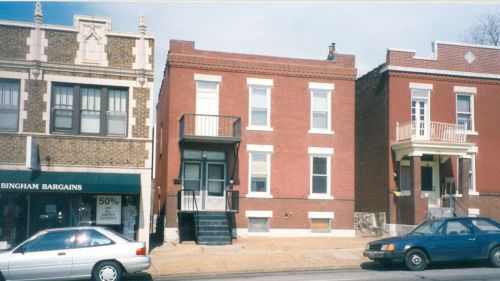
Gallery
Other Forms of Payment
Self-pay involves paying for treatment out of your own pocket. You can use savings or credit, get a personal loan, or receive help from family and friends to fund your treatment. If you don't have insurance or your insurance plan doesn't cover a specific program, self-pay can help ensure you still get the care you need.
Addiction Treatments
Levels of Care
Sober Living Houses (SLHs), aka sober homes or halfway houses, are safe, substance-free, supportive living facilities for those recovering from substance abuse. Ideal for those who've just been through inpatient or outpatient treatment, SLHs are supervised environments with rules that support sobriety, such as curfews, shared chores, and therapeutic meetings. Residents are also often trained on life skills and coping skills to make it easier to transition into society. SLHs also provide a strong sense of community that can lead to the kind of deep and lasting connections with other sober individuals that supports a new, healthy lifestyle.
12-step programs are addiction recovery models based on Alcoholics Anonymous (AA). A number of substance abuse programs (including some drug and alcohol rehab centers) use the 12 steps as a basis for treatment. Beginning steps involve admitting powerlessness over the addiction and creating a spiritual basis for recovery. Middle steps including making direct amends to those who've been hurt by the addiction, and the final step is to assist others in addiction recovery in the same way. 12-Step offshoots including Narcotics Anonymous (NA), Cocaine Anonymous (CA), Dual Recovery Anonymous (DRA), Sex and Love Addicts Anonymous (SLAA) and Gamblers Anonymous (GA).
Treatments
The goal of treatment for alcoholism is abstinence. Those with poor social support, poor motivation, or psychiatric disorders tend to relapse within a few years of treatment. For these people, success is measured by longer periods of abstinence, reduced use of alcohol, better health, and improved social functioning. Recovery and Maintenance are usually based on 12 step programs and AA meetings.
Drug rehab in Missouri usually involves several phases: detox, rehab, and aftercare. The rehab phase may include a combination of inpatient and outpatient treatments, as the individual moves through a continuum of care on their recovery journey.
Opioid rehabs specialize in supporting those recovering from opioid addiction. They treat those suffering from addiction to illegal opioids like heroin, as well as prescription drugs like oxycodone. These centers typically combine both physical as well as mental and emotional support to help stop addiction. Physical support often includes medical detox and subsequent medical support (including medication), and mental support includes in-depth therapy to address the underlying causes of addiction.
Substance rehabs focus on helping individuals recover from substance abuse, including alcohol and drug addiction (both illegal and prescription drugs). They often include the opportunity to engage in both individual as well as group therapy.
Programs
Adult rehab programs include therapies tailored to each client's specific needs, goals, and recovery progress. They are tailored to the specific challenges adult clients may face, including family and work pressures and commitments. From inpatient and residential treatment to various levels of outpatient services, there are many options available. Some facilities also help adults work through co-occurring conditions, like anxiety, that can accompany addiction.
Clinical Services
Group therapy is any therapeutic work that happens in a group (not one-on-one). There are a number of different group therapy modalities, including support groups, experiential therapy, psycho-education, and more. Group therapy involves treatment as well as processing interaction between group members.
In Missouri, therapists and patients work closely in individual therapy to address the personal challenges and triggers that drive addictive behavior. Using a customized approach helps foster self awareness so you can make positive changes toward a healthier, substance free life.
Amenities
-
 Residential Setting
Staff
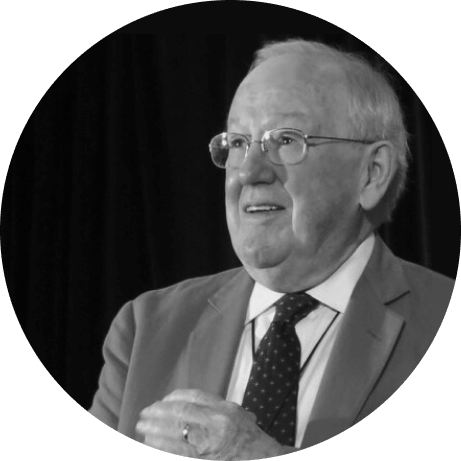
Paul Molloy
Late Co-Founder and CEO
Contact Information


3943 Gravois Ave
St. Louis, MO 63116
Sponsored Helpline

