






























































































If you are expecting an individualized treatment then this is not the right place to assist you. They treat every patient in the same way and in my opinion that is not something that helps patients with their needs.
About Pathways
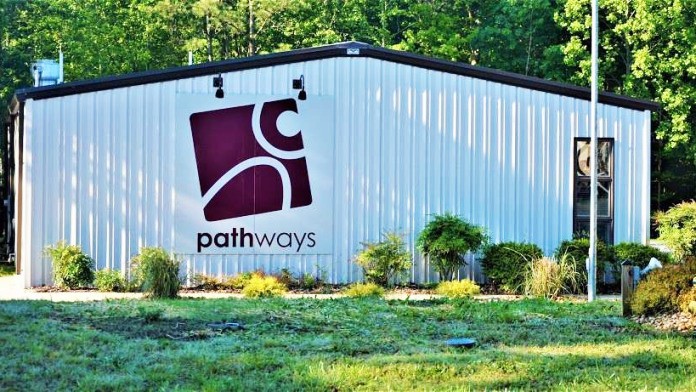
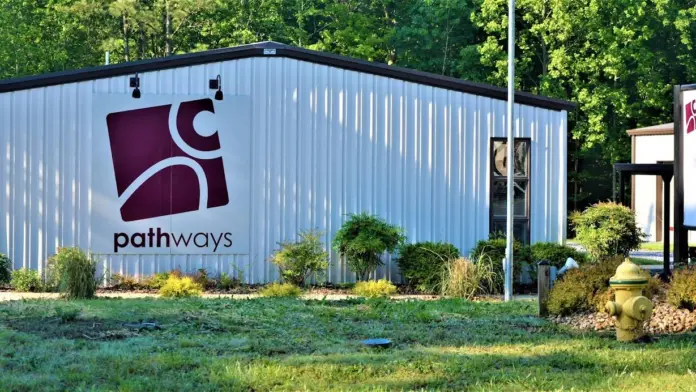
Pathways can be found on Airport View Drive in Hollywood, Maryland. They offer behavioral health services to assess and treat co-occurring mental health and substance use disorders among young adults to seniors. The center is located in a standalone facility with onsite parking.
Near Many Green Space Landmarks
The surrounding rural community includes local businesses, houses, stores and St. Mary’s County Regional Airport. You can access Pathways, via Highway 235 and local highways 4 and 5. There are also green space landmarks you can visit including Judge PH Dorsey Memorial Park, St. Mary’s State Park and Greenwell State Park.
At Pathways, following an assessment of your conditions you can access various models of therapy programs and individual, one-on-one counseling sessions to address past traumas that may have led you to addiction and your mental instability.
Chair Yoga for Holistic Healing
They offer you unique programs like chair yoga to support your recovery holistically as well as additional stress and mindfulness therapy programs. Their programs are designed to promote diversity in their client populations, remove stigmas and tackle inequity.
Launching New Outpatient Substance Use Program
The network is also launching a specific outpatient substance use program to incorporate more specific needs for those struggling with co-occurring disorders. They also include a psychiatric rehab program that provides in-home visits, visits at your workplace and any other location that is convenient to you.
I love that the staff also works with the local high school, Patuxent High School, to support their behavioral health needs. They offer therapy at the school including individual and group therapy sessions. There’s a teen clubhouse in Lusby that has workshops for substance abuse, finding work, and getting help with school.
Aftercare support is offered to you through access to community support groups that may assist you further in your recovery. I think it’s great that they provide access to housing and employment programs including job placement.
Latest Reviews
If you guys have a problem with anything at all talk to Kristy shes the best she took care of me so fast and was super nice about it!. I stay for here Natalie Jones. The best threapy I had.
This is a shout out for Cynthia who takes calls and does the clerical part. She's efficient, empathetic, and has gone above and beyond helping me with a family member. It is so appreciated you have no idea! It starts from the front desk on the way back. Working in an office myself the front desk can be overlooked but they are very very much part of the team. And I can't thank her enough and as far as the providers especially Cassandra the therapist!! the rest of the staff has been great! Thank you all 🙏
Always has been a place to learn and to conquer your disabilities have been going for years and everyone has always been nice and respectful to me this place has taught me how to handle my disabilities and how to be a better person oh and Liz is the bomb diggity

Rehab Score
 Our Methodology
Scoring is assigned by a proprietary system which helps surface key metrics that determine quality. The 10-point scale factors in categories such as operations, customer satisfaction, and trust metrics. Read Full Methodology

5.5 / 10
Gallery
Other Forms of Payment
Private insurance refers to any kind of healthcare coverage that isn't from the state or federal government. This includes individual and family plans offered by an employer or purchased from the Insurance Marketplace. Every plan will have different requirements and out of pocket costs so be sure to get the full details before you start treatment.
Self-pay involves paying for treatment out of your own pocket. You can use savings or credit, get a personal loan, or receive help from family and friends to fund your treatment. If you don't have insurance or your insurance plan doesn't cover a specific program, self-pay can help ensure you still get the care you need.
Financial aid can take many forms. Centers may have grants or scholarships available to clients who meet eligibility requirements. Programs that receive SAMHSA grants may have financial aid available for those who need treatment as well. Grants and scholarships can help you pai for treatment without having to repay.
Sliding scale payments are based on a client's income and family size. The goal is to make treatment affordable to everyone. By taking these factors into account, addiction recovery care providers help ensure that your treatment does not become a financial burden to you or your family, eliminating one barrier to care.
Medicare is a federal program that provides health insurance for those 65 and older. It also serves people under 65 with chronic and disabling health challenges. To use Medicare for addiction treatment you need to find a program that accepts Medicare and is in network with your plan. Out of pocket costs and preauthorization requirements vary, so always check with your provider.
Military members, veterans, and eligible dependents have access to specific insurance programs that help them get the care they need. TRICARE and VA insurance can help you access low cost or no cost addiction and mental health treatment. Programs that accept military insurance often have targeted treatment focused on the unique challenges military members, veterans, and their families face.
Medicaid is a state based program that helps lower-income individuals and families pay for healthcare. Medicaid covers addiction treatment so those enrolled can use their coverage to pay for rehab. When a program accepts Medicaid the client often pays very little or nothing out of their own pocket.
Addiction Treatments
Levels of Care
Outpatient Programs (OP) are for those seeking mental rehab or drug rehab, but who also stay at home every night. The main difference between outpatient treatment (OP) and intensive outpatient treatment (IOP) lies in the amount of hours the patient spends at the facility. Most of the time an outpatient program is designed for someone who has completed an inpatient stay and is looking to continue their growth in recovery. Outpatient is not meant to be the starting point, it is commonly referred to as aftercare.
12 step programs provide accessible peer coaching for participants at all stages of their recovery journey. Meetings are peer-led, anonymous, free, and available multiple times per day in most communities. Participants also receive one-on-one mentoring by a self-selected sponsor. 12 step recovery is based on spiritual principles, which enable participants to understand their disease, accept responsibility for their choices, and relinquish control over that which is unchangeable. Religious affiliation isn't required and specialized formats are available.
Pathways - 44065 Airport View Drive offers program-operated residences for adults with a serious mental illness who are in need of residential support and housing. Their home sites are chosen for their integration in defined neighborhoods and proximity to community services and merchants. The aim is to foster a sense of belonging and identification as well as to maximize access to points of contact typically used or frequented in daily living. They own numerous single-family homes situated in central St. Mary’s County. These homes accommodate 3-4 persons each; each resident generally has a private bedroom.
Treatments
The goal of treatment for alcoholism is abstinence. Those with poor social support, poor motivation, or psychiatric disorders tend to relapse within a few years of treatment. For these people, success is measured by longer periods of abstinence, reduced use of alcohol, better health, and improved social functioning. Recovery and Maintenance are usually based on 12 step programs and AA meetings.
Once a person has become addicted to a substance, drug rehab in Maryland is often necessary to overcome that addiction. These programs provide the tools individuals need to manage the physical, mental, and emotional issues involved and begin a successful recovery journey.
Many of those suffering from addiction also suffer from mental or emotional illnesses like schizophrenia, bipolar disorder, depression, or anxiety disorders. Rehab and other substance abuse facilities treating those with a dual diagnosis or co-occurring disorder administer psychiatric treatment to address the person's mental health issue in addition to drug and alcohol rehabilitation.
A combined mental health and substance abuse rehab has the staff and resources available to handle individuals with both mental health and substance abuse issues. It can be challenging to determine where a specific symptom stems from (a mental health issue or an issue related to substance abuse), so mental health and substance abuse professionals are helpful in detangling symptoms and keeping treatment on track.
Opioid rehabs specialize in supporting those recovering from opioid addiction. They treat those suffering from addiction to illegal opioids like heroin, as well as prescription drugs like oxycodone. These centers typically combine both physical as well as mental and emotional support to help stop addiction. Physical support often includes medical detox and subsequent medical support (including medication), and mental support includes in-depth therapy to address the underlying causes of addiction.
Programs
Adult rehab programs include therapies tailored to each client's specific needs, goals, and recovery progress. They are tailored to the specific challenges adult clients may face, including family and work pressures and commitments. From inpatient and residential treatment to various levels of outpatient services, there are many options available. Some facilities also help adults work through co-occurring conditions, like anxiety, that can accompany addiction.
Young adulthood can be an exciting, yet difficult, time of transition. Individuals in their late teens to mid-20s face unique stressors related to school, jobs, families, and social circles, which can lead to a rise in substance use. Rehab centers with dedicated young adult programs will include activities and amenities that cater to this age group, with an emphasis on specialized counseling, peer socialization, and ongoing aftercare.
Recovery is most successful when clients feel accepted and validated by their peers and treatment providers. Facilities that offer LGBTQ-inclusive programming are committed to creating a safe space where everyone can grow and recover without fear of judgment or discrimination. They will have dedicated policies in place to create a safe and supportive environment that fosters free expression.
Serving in the military is both mentally and physically challenging, and can result in trauma that persists even after combat ends. Military programs are tailored to the specific and often complex needs of active duty personnel, veterans, and military families. Clients often access these programs through the U.S. Department of Veterans Affairs (VA).
Clinical Services
Cognitive Behavioral Therapy (CBT) is a therapy modality that focuses on the relationship between one's thoughts, feelings, and behaviors. It is used to establish and allow for healthy responses to thoughts and feelings (instead of unhealthy responses, like using drugs or alcohol). CBT has been proven effective for recovering addicts of all kinds, and is used to strengthen a patient's own self-awareness and ability to self-regulate. CBT allows individuals to monitor their own emotional state, become more adept at communicating with others, and manage stress without needing to engage in substance abuse.
Cognitive behavioral therapy and motivational interviewing techniques are often part of group therapy sessions. These are evidence based techniques that address thinking and behavioral patterns that trigger addictive behavior. Learning how to address these thought patterns can help create lasting change.
In individual therapy, a patient meets one-on-one with a trained psychologist or counselor. Therapy is a pivotal part of effective substance abuse treatment, as it often covers root causes of addiction, including challenges faced by the patient in their social, family, and work/school life.
Trauma therapy addresses traumatic incidents from a client's past that are likely affecting their present-day experience. Trauma is often one of the primary triggers and potential causes of addiction, and can stem from child sexual abuse, domestic violence, having a parent with a mental illness, losing one or both parents at a young age, teenage or adult sexual assault, or any number of other factors. The purpose of trauma therapy is to allow a patient to process trauma and move through and past it, with the help of trained and compassionate mental health professionals.
Whether a marriage or other committed relationship, an intimate partnership is one of the most important aspects of a person's life. Drug and alcohol addiction affects both members of a couple in deep and meaningful ways, as does rehab and recovery. Couples therapy and other couples-focused treatment programs are significant parts of exploring triggers of addiction, as well as learning how to build healthy patterns to support ongoing sobriety.
Research clearly demonstrates that recovery is far more successful and sustainable when loved ones like family members participate in rehab and substance abuse treatment. Genetic factors may be at play when it comes to drug and alcohol addiction, as well as mental health issues. Family dynamics often play a critical role in addiction triggers, and if properly educated, family members can be a strong source of support when it comes to rehabilitation.
Life skills trainings involve all the skills a person must have in order to function successfully in the world. These include time management, career guidance, money management, and effective communication. Truly successful addiction recovery is based on the ability to not only live substance-free, but to thrive. Life skills teaches the practical necessities of functioning in society, which sets clients up for success in life, and therefore sobriety.
Nutrition therapy, aka medical nutrition therapy (MNT), is a way of treating physical, emotional, and medical conditions through diet. Specific dietary plans are designed by professional nutritionists or registered dietitians, and patients follow them in order to positively affect their physical and mental health.
If you want to quit smoking, discuss the options of nicotine replacement therapy (NRT) with your doctor. These products are safe for most adults except pregnant women. Your doctor can help you consider the benefits and decide which type of NRT is best for you.
Staff & Accreditations
Staff
Paul Snow
President
Gerard McGloin
VP
Diana Sovine
Secretary
Birgit Locklear, LCSW-C, CCTP
Executive Director
Accreditations

The Commission on Accreditation of Rehabilitation Facilities (CARF) is a non-profit organization that specifically accredits rehab organizations. Founded in 1966, CARF's, mission is to help service providers like rehab facilities maintain high standards of care.
CARF Accreditation: Yes
Rehab.com regularly reviews this listing for accuracy but changes may occur between updates. For the most up-to-date information, please contact Pathways.
Contact Information

44065 Airport View Drive
Hollywood, MD 20636
Get Help Now - 443-376-8434
Sponsored Helpline
Sponsored Helpline



