





























































































About Plugged In Recovery
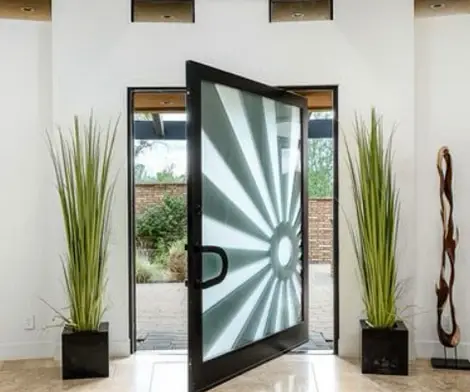
Plugged In Recovery is a luxury addiction rehab facility in Scottsdale, Arizona. The center focuses on providing comfortable amenities and surroundings that allow guests more privacy and tranquility while they work on healing.
Upscale Recovery Atmosphere
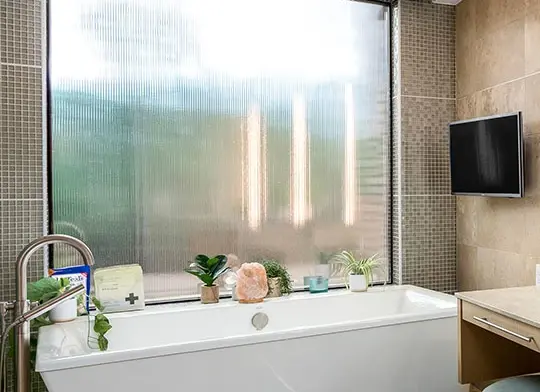
Plugged In Recovery allows clients a balance of therapeutic methods and peaceful settings. The facility is designed to feel more like a resort than a clinical environment. The private bedrooms include queen Tempur-Pedic beds with Wi-Fi access and streaming services available.
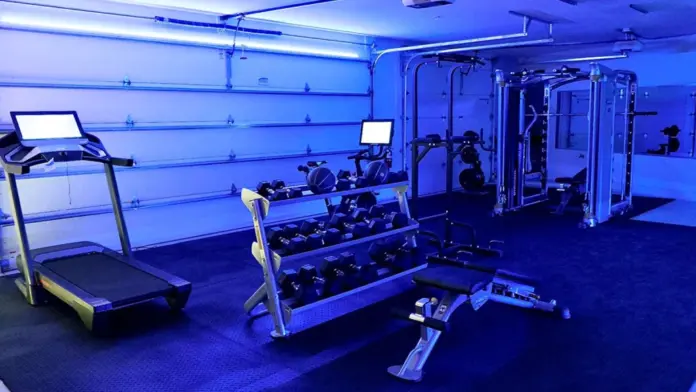
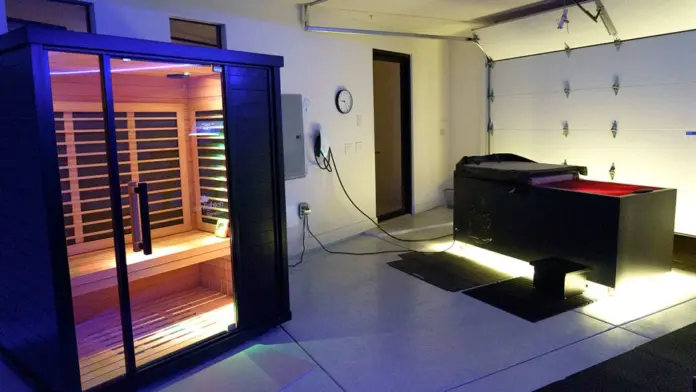
They offer a stocked gym, red light sauna, a movie theater, gourmet meals to fuel recovery and a diving pool with a hot tub. Residents have no shortage of activities to keep them engaged in recovery and relaxing.
Holistic Therapy Methods
Along with following the 12 steps, guests access traditional and holistic therapy techniques to address the physical, mental and emotional aspects of recovery. The center offers equine therapy, art therapy, acupuncture and nutritional counseling. You can learn new ways to manage your stress without using substances.
The facility is near Chaparral Park and Scottsdale Greenbelt, where guests can enjoy nature walks and other outdoor recreation that may be conducive to healing. Traditional therapies can help address the potential underlying causes of substance abuse.
They use proven methods, such as cognitive behavioral therapy (CBT) and dialectical behavioral therapy (DBT), to target the contributing events that may have led to addiction. The staff is also skilled in trauma-informed therapy, which helps target those specific issues and provides tools to overcome them. They work with most health insurance plans and offer payment options for clients without healthcare benefits.
Latest Reviews



Rehab Score
 Our Methodology


Gallery





Accepted Insurance
Other Forms of Payment
Private insurance refers to any kind of healthcare coverage that isn't from the state or federal government. This includes individual and family plans offered by an employer or purchased from the Insurance Marketplace. Every plan will have different requirements and out of pocket costs so be sure to get the full details before you start treatment.
Self-pay involves paying for treatment out of your own pocket. You can use savings or credit, get a personal loan, or receive help from family and friends to fund your treatment. If you don't have insurance or your insurance plan doesn't cover a specific program, self-pay can help ensure you still get the care you need.
Addiction Treatments
Levels of Care
Many addiction recovery centers base their treatment modalities on the 12 step program model, and those in treatment often transition to community-based programs. These programs can also be effective for clients who choose not to enter rehab. Traditionally, 12 step meetings are designed to provide intensive peer support whenever it is needed. In addition to group meetings and peer sponsorship, participants "work the steps" to achieve recovery through a systematic healing of the mind, body, and spirit.
Rehab aftercare programs support clients' successful reintegration into their home, workplace, and community. Drug rehab aftercare presumes that recovery requires life-long support. These programs typically offer a wide variety of services customized for the clients' unique and evolving needs. Clients may receive vocational training and career counseling, housing assistance, legal aid, peer coaching, and 12 step program induction, among other services. Clients' case managers often play a lead role in rehab aftercare planning.
Inpatient rehab is designed primarily for persons in early recovery and those who are exiting detox programs. It's ideal for clients in crisis or at an elevated risk of relapse. Inpatient treatment centers provide housing and meals, allowing clients to focus on their recovery away from distractions and addiction triggers. Clients engage in intensive psychotherapy, and many inpatient programs feature recovery-focused life skills training and/or complementary therapies like meditation, creative arts therapy, and other holistic treatments.
Many clients who enroll in an outpatient rehab program are exiting intensive inpatient care and no longer require such high-level clinical supervision. Outpatient programs typically follow a step-down structure, with treatment frequency and intensity decreasing as clients progress in their recovery journey. Partial hospitalization (PHP) and intensive outpatient (IOP) levels of care are the most time-intensive and are designed primarily for clients who have just left inpatient treatment or who are at an elevated risk of relapse.
If you're struggling with adjusting to daily life after inpatient rehab, a sober living home in Arizona may be a good option. These residences offer an in-between option where you can practice the skills you learned in rehab in a structured, drug-free environment. This transition can help you prepare to face the "real world" after treatment. You'll live with others in recovery and follow house rules such as contributing to chores and paying rent.
Treatments
Alcohol use disorder (AUD), also referred to as alcoholism and alcohol addiction, is a chronic condition that involves craving alcohol and an inability to control drinking. A person with AUD must drink greater and greater amounts of alcohol to achieve the same effects and experiences withdrawal symptoms if they stop drinking alcohol. Several evidence-based methods are available to treat AUD through alcohol rehab in Arizona. This treatment can occur on an outpatient or inpatient basis.
Drug rehab in Arizona is the process of treating individuals who are dependent on a particular addictive drug. Because addiction is complex, this treatment typically includes a variety of interventions that address the many physical and emotional issues involved.
 Mental Health And Substance Abuse
 Opioid Addiction
Arizona's substance abuse treatment centers can provide tailored treatment for individuals with substance use disorders and mental health conditions. Treatment programs may include medically assisted detox, 12-Step recovery, intensive outpatient programs, and aftercare support. Addiction experts employ evidence-based therapies like cognitive behavioral therapy (CBT), dialectical behavioral therapy (DBT), and talk therapy to uncover and reframe unhelpful patterns. By graduation, you'll have developed new coping strategies, learned new stress management techniques, and have the capability of sustaining your recovery.
Programs
Men face specific challenges and concerns when seeking addiction treatment. Gender-specific recovery programs help them tackle these issues head-on in an environment that's focused, targeted, and distraction-free. It also gives them the opportunity to connect with and learn from other men who have been through a similar journey and can offer support for the next step.
Rehabs for women provide a safe, nurturing space for female clients to heal. These treatment programs consider the specific obstacles that women can face during recovery and place a special emphasis on mental, social, physical, and reproductive health. They explore how each woman's experience has shaped the trajectory of their substance use, addressing issues such as sexual abuse and past trauma.
Clinical Services
Family therapy involves sessions where members of the family discuss how addiction has affected them individually and collectively. Therapists can guide families in developing coping strategies that help support their loved one's recovery while also focusing on their own emotional health.
Also known as CBT, cognitive behavioral therapy in Arizona is one of the most common types of psychotherapy. It offers a structured method of counseling that effectively treats substance use disorder and dual diagnosis disorders.
Residents of Arizona who are experiencing relationship problems may benefit from couples therapy. This form of psychotherapy helps couples express their feelings, resolve conflicts, and increase intimacy and affection.
 Equine Therapy
The active interventions of experiential therapy help you cope with past hurts and difficult memories. They allow you to release negative emotions and change your personal interactions. This type of treatment in Arizona can be helpful for drug addiction, compulsive behaviors, and behavioral disorders.
Nutrition therapy helps reduce the discomfort of detox and reduces cravings during drug rehab in Arizona. It helps you navigate nutrition, teaching you how to plan and prepare meals that meet your nutritional needs.
 Sound Therapy
Dialectical behavior therapy in Arizona focuses on acceptance of your reality and behaviors while also attempting to make changes in unhealthy behaviors. It has been shown to be effective for the treatment of anxiety, depression, PTSD, and substance use disorder.
Individual therapy for drug and alcohol addiction includes focused attention on the unique challenges that trigger addictive behavior. During individual therapy sessions, you have a safe space in which to discuss stressors and emotional struggles. Therapy fosters trust and open communication that helps develop personalized strategies to overcome addiction.
In Arizona, group therapy helps promote accountability and motivation for men and women who want to stay committed to addiction recovery. It fosters a sense of community where you can share your progress and learn new coping strategies from your peers.
Amenities
-
 Yoga Studio
 -
 Private Rooms
Accreditations

The Joint Commission, formerly known as JCAHO, is a nonprofit organization that accredits rehab organizations and programs. Founded in 1951, the Joint Commision's mission is to improve the quality of patient care and demonstrating the quality of patient care.
Joint Commission Accreditation: Yes

LegitScript has reviewed Plugged In Recovery as part of their certification program, and has determined that it meets the LegitScript standards for legality, safety and transparency.
LegitScript verified in
Rehab.com regularly reviews this listing for accuracy but changes may occur between updates. For the most up-to-date information, please contact Plugged In Recovery.
Contact Information


8116 E Vista Bonita Dr
Scottsdale, AZ 85255
Sponsored Helpline



