































































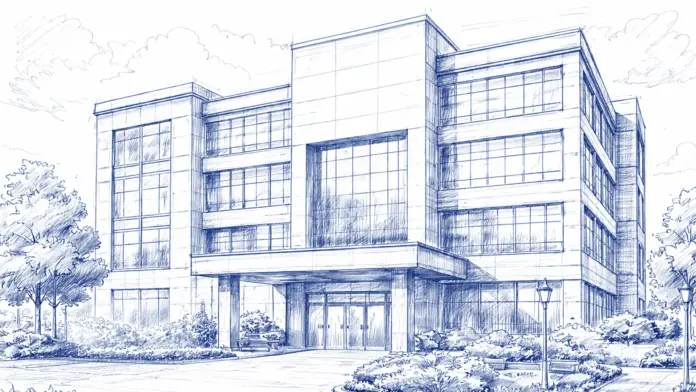
About Recovia NW Hospital
Recovia NW Hospital in Tucson, Arizona, provides treatment and services for people with chronic pain and co-occurring conditions, like mental health issues and substance use disorders.
Your treatment is provided next door to the Northwest Medical Center, close to restaurants, hotels and local retail stores. Consider visiting the local natural landmarks like the Tuhono Cul Gardens & Galleries, Danny Lopez Park and Rio Vista Natural Resource Park.
Co-Occurring Treatment Heals Mind, Body and Spirit
The program provides treatment for pain management, depression, anxiety and substance use disorders. They use an integrated treatment approach with behavioral health, physical therapy, mental health counseling and medical treatment in an effort to heal your mind, body and spirit.
Provide Healthy Behavioral Pathways
Treatment for substance use disorders, focuses on helping you develop new behavioral pathways. These help you cope with difficult situations and change negative behavioral patterns into positive ones. I like that they also help you build healthy self-care routines and heal both your physical and mental health.
Counseling, Physical Therapy and MAT Treatment for SUD
Counseling includes individual counseling, group sessions and EMDR. They also provide you with central nervous system education, art therapy, pain education and positive psychology.
I find it encouraging that by incorporating physical therapy into their treatment, they also help in addressing chronic pain that either triggered or is a result of your addiction. They provide MAT treatment to address withdrawal symptoms from opioids and benzodiazepines.
Facility Overview
 15 - 30
 Latest Reviews


Our team is here to support each person every step of the way, and it means a lot to know that both the skills you’ve gained and the physical therapy aspects made a meaningful difference in your life. Your encouragement to others, especially to just reach out and ask questions, sums up exactly what we hope people feel: that they’re not alone, and that support is here.
Thank you again for your thoughtful and powerful review!

Rehab Score
 Our Methodology


Location
Accepted Insurance

Other Forms of Payment
Private insurance refers to any kind of healthcare coverage that isn't from the state or federal government. This includes individual and family plans offered by an employer or purchased from the Insurance Marketplace. Every plan will have different requirements and out of pocket costs so be sure to get the full details before you start treatment.
Medicare is a federal program that provides health insurance for those 65 and older. It also serves people under 65 with chronic and disabling health challenges. To use Medicare for addiction treatment you need to find a program that accepts Medicare and is in network with your plan. Out of pocket costs and preauthorization requirements vary, so always check with your provider.
Medicaid is a state based program that helps lower-income individuals and families pay for healthcare. Medicaid covers addiction treatment so those enrolled can use their coverage to pay for rehab. When a program accepts Medicaid the client often pays very little or nothing out of their own pocket.
Addiction Treatments
Levels of Care
Many clients who enroll in an outpatient rehab program are exiting intensive inpatient care and no longer require such high-level clinical supervision. Outpatient programs typically follow a step-down structure, with treatment frequency and intensity decreasing as clients progress in their recovery journey. Partial hospitalization (PHP) and intensive outpatient (IOP) levels of care are the most time-intensive and are designed primarily for clients who have just left inpatient treatment or who are at an elevated risk of relapse.
Treatments
Treatment for addiction includes mental health services that are provided while during your stay at the facility. This may be a hospital, clinic, or a luxury treatment center setting. You receive 24-hour support and monitoring by mental health counselors and clinical staff. Most inpatient programs last 30 days, but some can last for two months or longer. Mental health is addressed during treatment via group and individual counseling, addiction education programming, and often recreational activities.
Arizona's substance abuse treatment centers can provide tailored treatment for individuals with substance use disorders and mental health conditions. Treatment programs may include medically assisted detox, 12-Step recovery, intensive outpatient programs, and aftercare support. Addiction experts employ evidence-based therapies like cognitive behavioral therapy (CBT), dialectical behavioral therapy (DBT), and talk therapy to uncover and reframe unhelpful patterns. By graduation, you'll have developed new coping strategies, learned new stress management techniques, and have the capability of sustaining your recovery.
Programs
Adult rehab programs include therapies tailored to each client's specific needs, goals, and recovery progress. They are tailored to the specific challenges adult clients may face, including family and work pressures and commitments. From inpatient and residential treatment to various levels of outpatient services, there are many options available. Some facilities also help adults work through co-occurring conditions, like anxiety, that can accompany addiction.
Clinical Services
Also known as CBT, cognitive behavioral therapy in Arizona is one of the most common types of psychotherapy. It offers a structured method of counseling that effectively treats substance use disorder and dual diagnosis disorders.
 Eye Movement Desensitization And Reprocessing
Individual therapy for drug and alcohol addiction includes focused attention on the unique challenges that trigger addictive behavior. During individual therapy sessions, you have a safe space in which to discuss stressors and emotional struggles. Therapy fosters trust and open communication that helps develop personalized strategies to overcome addiction.
In Arizona, group therapy helps promote accountability and motivation for men and women who want to stay committed to addiction recovery. It fosters a sense of community where you can share your progress and learn new coping strategies from your peers.
Developing life skills is an important piece of addiction recovery treatment. These skills help you succeed in day to day tasks and live a healthy, independent life. They include communication, critical thinking, problem solving, self control, and resilience.
Amenities
-
 Gym
Gym
Contact Information


6060 N Fountain Plaza Dr #140, Tucson, AZ 85704
Sponsored Helpline


