




























































































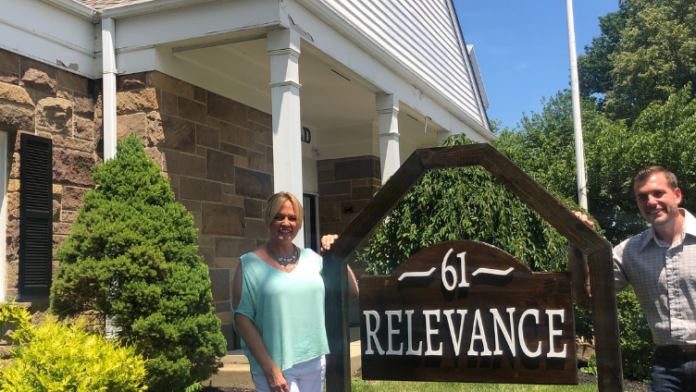


I'm writing this review to express my sincere appreciation for Chris Vallecillo, a clinician who truly made a difference in my treatment at Relevance. I worked with Chris for a significant period, and his approach to therapy was incredibly effective for me. Chris has a uniq ...
About Relevance Behavioral Health
Their partial hospitalization programs (PHP) and intensive outpatient programs (IOP) are designed for people who need more robust supervision and support. This typically includes clients who have completed detox or are transitioning out of higher intensity inpatient programs.
If you are stable enough for outpatient care but you don’t have a secure and substance free place to live, you can be referred to one of their partner organizations providing sober living programs. By combining outpatient treatment with a supportive housing environment, you’ll build essential skills to help you maintain a healthy and happy sober lifestyle.
They offer gender specific therapy to help patients relax and open up among peers. This has proven to be very effective for self discovery and greater social cohesion. They have special group empowerment programs to help women with trauma. They also specialize in treatment resistant depression.
I like that they offer a wide variety of holistic treatment options. This includes EMDR, yoga, recreational therapy, biofeedback, and massage. They also have specialized programs for veterans and military personnel.
You can also choose the treatment program that’s best for you. They offer 12 Step and 12 Step alternative programs, faith based programs, and even Buddhist methodologies.
Past patients commended the staff on their level of knowledge and politeness. Some people really enjoyed the time they spent here. Insurance verification is provided. One patient said they witnessed miracles performed in people’s lives at this integrative facility.
Latest Reviews
Relevance Recovery is an incredible organization. Their team is professional, responsive, compassionate, and truly committed to supporting the people and families they serve. They are great and I highly recommend!
Relevance Behavioral Health is a great organization with a caring and professional team. They truly prioritize their clients and provide a supportive environment throughout the recovery process. I highly recommend Relevance to anyone looking for quality behavioral health services.
Amazing program! Rob helped me navigate through an extremely challenging time in my life

Rehab Score
 Our Methodology
Scoring is assigned by a proprietary system which helps surface key metrics that determine quality. The 10-point scale factors in categories such as operations, customer satisfaction, and trust metrics. Read Full Methodology

8.9 / 10
Gallery
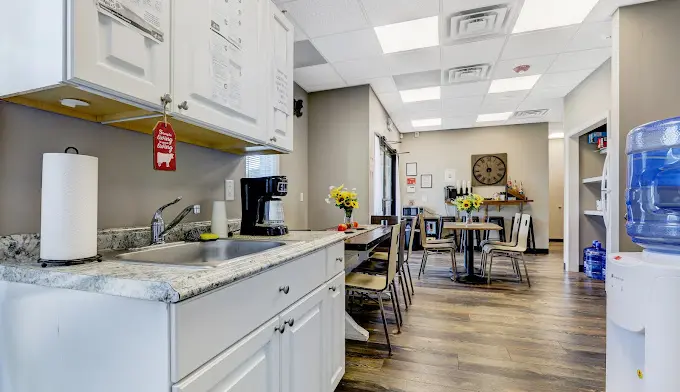
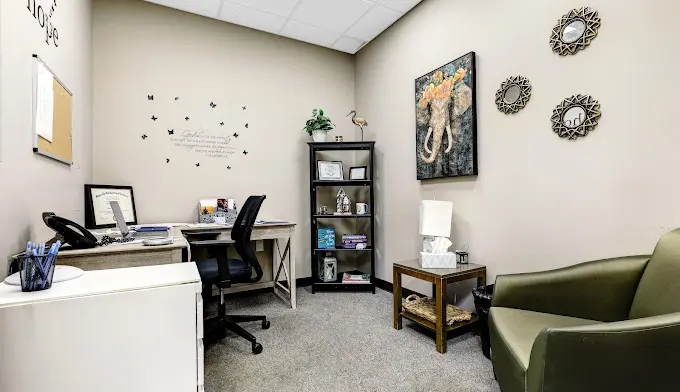
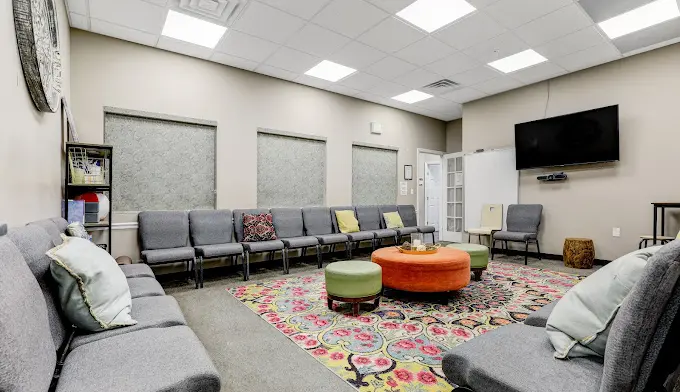
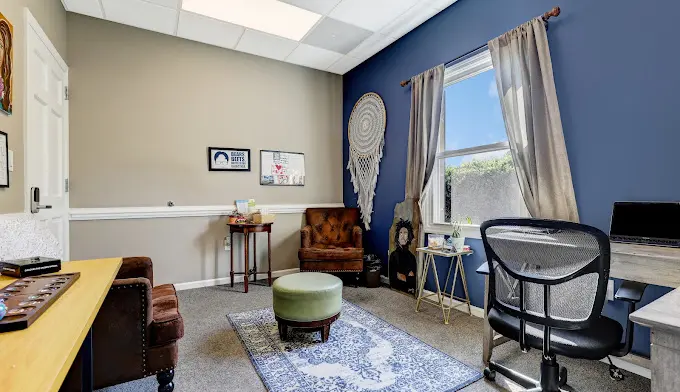
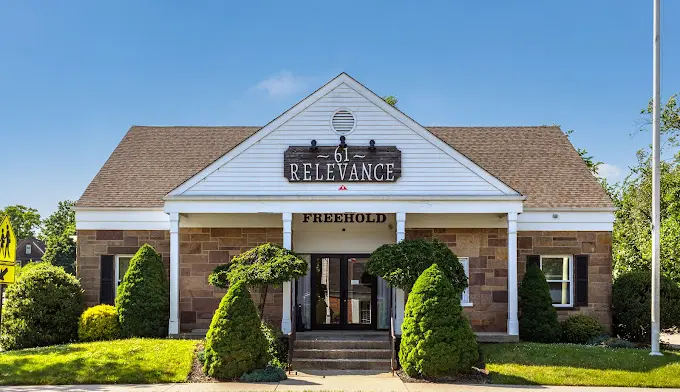
Accepted Insurance

EmblemHealth
NYSHIP
Oxford Health Plans
PHCS (Private Healthcare Systems)
Other Forms of Payment
Private insurance refers to any kind of healthcare coverage that isn't from the state or federal government. This includes individual and family plans offered by an employer or purchased from the Insurance Marketplace. Every plan will have different requirements and out of pocket costs so be sure to get the full details before you start treatment.
Self-pay involves paying for treatment out of your own pocket. You can use savings or credit, get a personal loan, or receive help from family and friends to fund your treatment. If you don't have insurance or your insurance plan doesn't cover a specific program, self-pay can help ensure you still get the care you need.
Sliding scale payments are based on a client's income and family size. The goal is to make treatment affordable to everyone. By taking these factors into account, addiction recovery care providers help ensure that your treatment does not become a financial burden to you or your family, eliminating one barrier to care.
Military members, veterans, and eligible dependents have access to specific insurance programs that help them get the care they need. TRICARE and VA insurance can help you access low cost or no cost addiction and mental health treatment. Programs that accept military insurance often have targeted treatment focused on the unique challenges military members, veterans, and their families face.
Financing your treatment can make treatment more accessible. You'll work with your care provider to set up payment plans, including interest rates and repayment timelines. Financing options vary widely and not all programs offer them, so be sure to get the full details before enrolling in treatment. If you have insurance or other benefits, financing may help you cover your remaining out of pocket expenses.
Addiction Treatments
Levels of Care
Outpatient Programs (OP) are for those seeking mental rehab or drug rehab, but who also stay at home every night. The main difference between outpatient treatment (OP) and intensive outpatient treatment (IOP) lies in the amount of hours the patient spends at the facility. Most of the time an outpatient program is designed for someone who has completed an inpatient stay and is looking to continue their growth in recovery. Outpatient is not meant to be the starting point, it is commonly referred to as aftercare.
Clients often enter inpatient rehab following detox, but they may also enroll during early recovery or at an increased risk of relapse. Inpatient rehabs provide housing, meals, and intensive clinical supervision, allowing clients to focus exclusively on their recovery in a highly structured and supportive environment. Clients typically receive multiple individual, group, and/or family therapy sessions weekly. Many programs also offer extensive addiction education and recovery-focused life skills training. Integrative inpatient rehabs provide holistic therapies as well.
Intensive Outpatient Programs (IOP) are for those who want or need a very structured treatment program but who also wish to live at home and continue with certain responsibilities (such as work or school). IOP substance abuse treatment programs vary in duration and intensity, and certain outpatient rehab centers will offer individualized treatment programs.
Clients in a rehab aftercare program have typically completed detox and intensive inpatient and are medically stable. These programs are designed to address addiction recovery as a life-long process. Outpatient counseling and recovery education are typically categorized as drug rehab aftercare, but many clients continue to receive support after being discharged from formal outpatient treatment. Case managers and recovery teams facilitate clients' access to peer coaching, career counseling, 12 step program induction, and related services.
A medical detox is the safest way to wean your body off addictive substances. When you become physically dependent on alcohol or drugs, quitting abruptly can cause a host of challenging and uncomfortable withdrawal symptoms. In medically assisted detox, a team of medical professionals will be on hand to monitor any symptoms, to provide medication if possible, and to help keep you as safe and as comfortable as possible throughout this process.
A partial hospitalization program (PHP) is a short-term, intensive outpatient option designed for those with moderate to severe addictions who don't require 24-hour care. PHP treatment is often fully covered by insurance and provides structured programming (i.e. individual and group therapy). A typical partial hospitalization program can meet 3-5 days a week for a minimum of 20 hours, offering intensive treatment during the day while allowing you to return home after. PHP treatment duration can vary based on your progress but averages 90 days.
Treatments
The goal of treatment for alcoholism is abstinence. Those with poor social support, poor motivation, or psychiatric disorders tend to relapse within a few years of treatment. For these people, success is measured by longer periods of abstinence, reduced use of alcohol, better health, and improved social functioning. Recovery and Maintenance are usually based on 12 step programs and AA meetings.
Drug rehab in New Jersey is the process of addressing the complex issues involved with addiction. Challenges are identified and addressed through individual and group counseling. Participants learn how to manage these issues without the use of substances.
Opioid rehabs specialize in supporting those recovering from opioid addiction. They treat those suffering from addiction to illegal opioids like heroin, as well as prescription drugs like oxycodone. These centers typically combine both physical as well as mental and emotional support to help stop addiction. Physical support often includes medical detox and subsequent medical support (including medication), and mental support includes in-depth therapy to address the underlying causes of addiction.
Substance rehabs focus on helping individuals recover from substance abuse, including alcohol and drug addiction (both illegal and prescription drugs). They often include the opportunity to engage in both individual as well as group therapy.
New Jersey has a variety of dual-diagnosis addiction treatment programs, including inpatient and outpatient drug and alcohol rehabs, that recognize the unique needs of individuals with co-occurring substance use disorders and mental health conditions. These programs typically employ evidence-based therapies such as cognitive-behavioral therapy (CBT), dialectical behavior therapy (DBT), trauma-focused therapy, and art therapy to successfully address co-occurring disorders and support sustained recovery.
Mental health often overlooked, but it's a critical component of addiction treatment and recovery. Mental health disorders can significantly impact your quality of life, relationships, and ability to function on a daily basis. Mental health conditions - depression, anxiety, bipolar disorder - and addiction require specialized treatment just like any other physical illness. When people have a mental health disorder and an addiction simultaneously, dual diagnosis treatment is essential.
Programs
Adult rehab programs include therapies tailored to each client's specific needs, goals, and recovery progress. They are tailored to the specific challenges adult clients may face, including family and work pressures and commitments. From inpatient and residential treatment to various levels of outpatient services, there are many options available. Some facilities also help adults work through co-occurring conditions, like anxiety, that can accompany addiction.
Teen programs are designed to address the unique pressures teens face, pressures that can drive them to experiment with dangerous, addictive substances. They need programs that meet them exactly where they are and give them tools for long-term recovery. Therapy can help teenagers understand and work through underlying issues so they can reclaim the life ahead of them.
Recovery is most successful when clients feel accepted and validated by their peers and treatment providers. Facilities that offer LGBTQ-inclusive programming are committed to creating a safe space where everyone can grow and recover without fear of judgment or discrimination. They will have dedicated policies in place to create a safe and supportive environment that fosters free expression.
The postpartum period is a sensitive time, especially for women in addiction recovery. Rehabs with specialized programs for new mothers will offer compassionate, personalized care to meet each client's needs as they transition from pregnancy to this season of life. Care teams may include obstetricians, pediatricians, and social workers working collaboratively to give women, children, and families a healthy future.
Serving in the military is both mentally and physically challenging, and can result in trauma that persists even after combat ends. Military programs are tailored to the specific and often complex needs of active duty personnel, veterans, and military families. Clients often access these programs through the U.S. Department of Veterans Affairs (VA).
Clinical Services
Cognitive behavioral therapy (CBT) in New Jersey typically follows a set structure of treatment. The therapist helps clients identify their life challenges and their thoughts surrounding those challenges. The client then learns to identify unhealthy thought patterns and reshape those into healthy patterns of thinking and behavior.
Dialectical means opposing. The premise of dialectical behavior therapy is to learn how two things that seem to be opposite can actually be true. You learn how to accept yourself while also making changes. The focus is on accepting your emotions and changing how you manage them.
Equine therapy, aka equine-assisted therapy (EAT), is a form of experiential therapy that involves interactions and activities with horses. It does not necessarily involve riding horses, but all activities related to horses, such as feeding, grooming, haltering and leading them. A mental health professional frequently oversees the activities (often in conjunction with a horse professional), and helps patients process their thoughts, feelings, and behavior patterns during and/or after the interaction.
Group therapy is any therapeutic work that happens in a group (not one-on-one). There are a number of different group therapy modalities, including support groups, experiential therapy, psycho-education, and more. Group therapy involves treatment as well as processing interaction between group members.
In individual therapy, a patient meets one-on-one with a trained psychologist or counselor. Therapy is a pivotal part of effective substance abuse treatment, as it often covers root causes of addiction, including challenges faced by the patient in their social, family, and work/school life.
Trauma therapy provides a structure to approach healing from past traumatic events that you may have witnessed or experienced. Your therapist will work with you to identify and process these memories. This helps promote a sense of safety and stability and helps you heal emotionally.
Family therapy sessions address addiction related conflicts and other issues between members of the family unit. By strengthening communication and coping skills, as well as creating a nurturing environment, the family can help support their loved one's recovery.
Motivational interviewing helps clients find their motivation to change. It can be an effective method to work with clients who are angry or hostile or feel insecure about their ability to make changes in their lives. It is often used during addiction treatment or to manage physical health conditions.
Recreational therapy is a dynamic approach to addiction treatment in New Jersey. It integrates activities like music therapy, team sports, and gardening so you have a therapeutic outlet for your emotions and stress. This improves your physical and mental health and helps you develop new skills to support a sober lifestyle.
Amenities
-
 Private Rooms
Staff & Accreditations
Staff
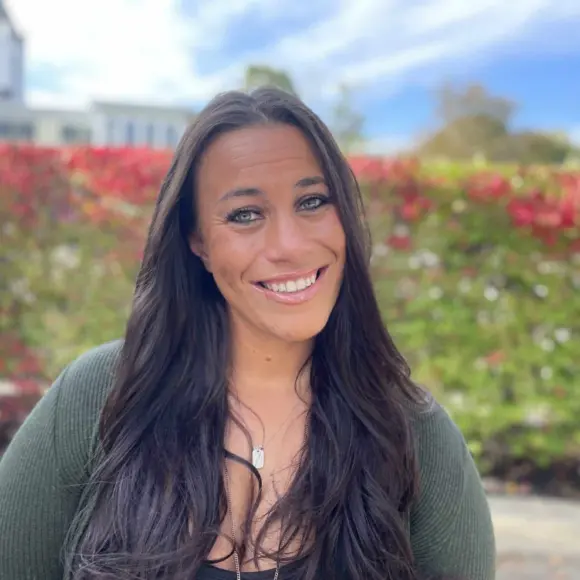
Jessica Alomar, LPC, LCADC
Clinical Director

Christopher D'Alessio
Director of Operations
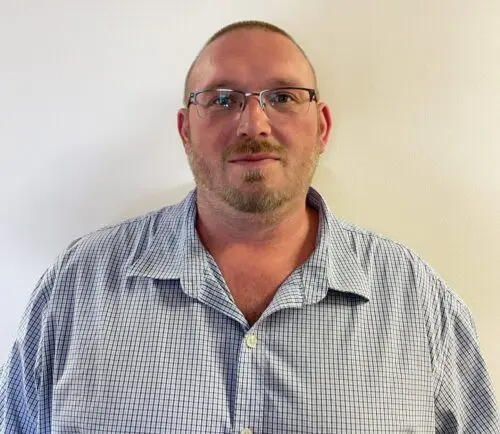
John Bachmann
VP of Admissions
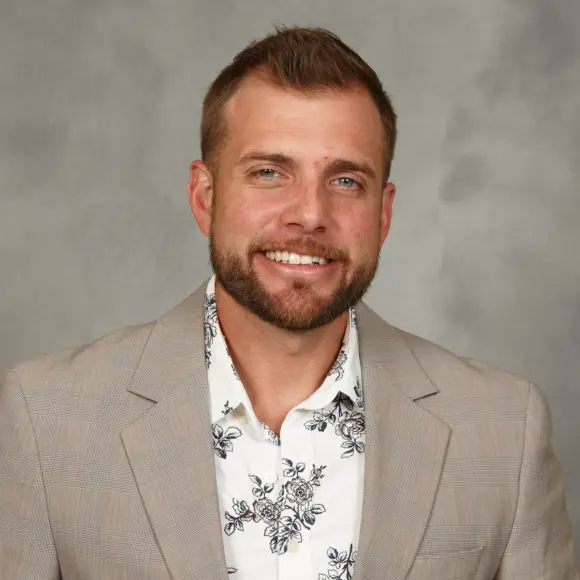
Daniel Regan
Founder & CEO
Accreditations

The Joint Commission, formerly known as JCAHO, is a nonprofit organization that accredits rehab organizations and programs. Founded in 1951, the Joint Commision's mission is to improve the quality of patient care and demonstrating the quality of patient care.
Joint Commission Accreditation: Yes

LegitScript has reviewed Relevance Behavioral Health as part of their certification program, and has determined that it meets the LegitScript standards for legality, safety and transparency.
LegitScript verified in January 2021
Rehab.com regularly reviews this listing for accuracy but changes may occur between updates. For the most up-to-date information, please contact Relevance Behavioral Health.
Contact Information

61 W Main st Freehold
Freehold, NJ 07728
Get Help Now - 732-708-2148
Sponsored Helpline
Sponsored Helpline


