










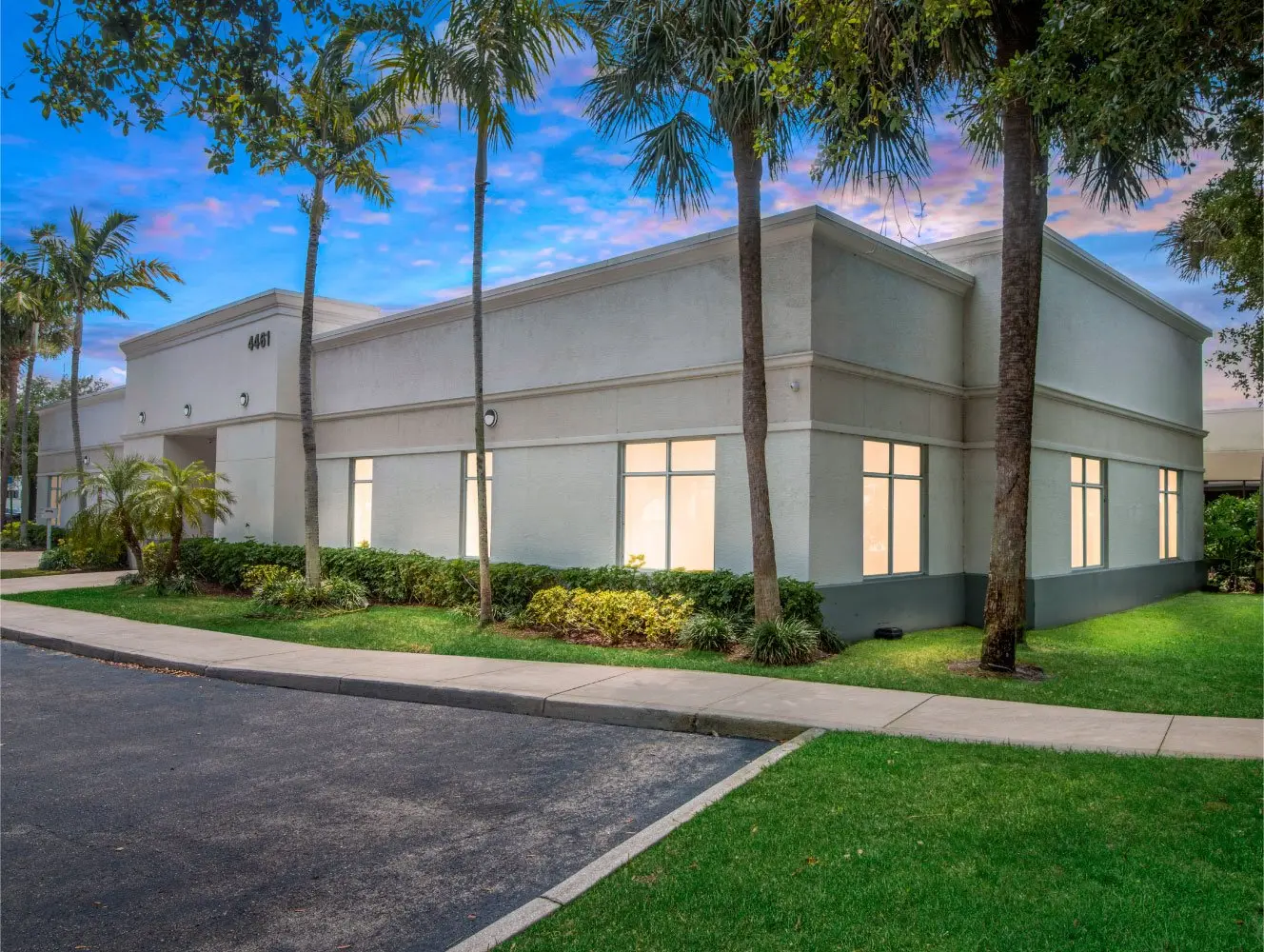
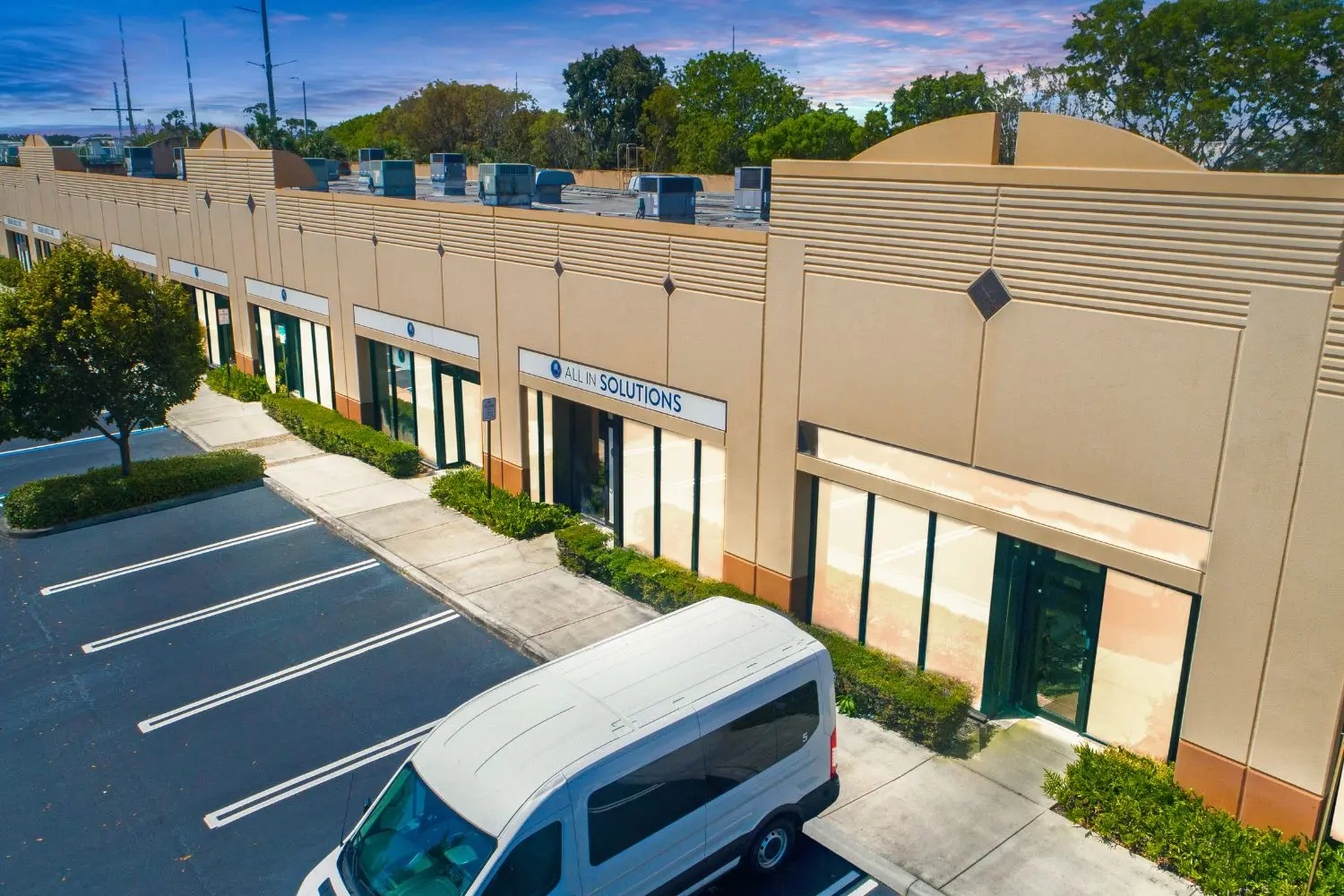
All In Solutions Wellness Center
1
Top 10 Rehab Centers In West Palm Beach



















































































The outpatient program includes three levels of care: standard outpatient treatment, a partial hospitalization program (PHP) and an intensive outpatient program (IOP). Before starting treatment you’ll go through a complete assessment to create a personalized plan.
You’ll notice a difference in the way they do recovery here. Programs are gender specific and focus on healing the whole person. One standout feature is the Warriors Way which is a unique holistic group therapy that combines meditation and mindfulness to help connect your mind, body and spirit.
Many clients could benefit from residential treatment but can’t leave their families or jobs. Their outpatient programs provide intensive support and therapy during the day while allowing you to return home at night. You’re able to manage daily life while making progress in your recovery.
No matter which program you choose you’ll receive cutting-edge treatment using proven methods that have helped thousands of people. You’ll experience a mix of cognitive behavioral therapy, dialectical behavior therapy and holistic approaches like art and adventure therapy. Daily group therapy sessions complement individual therapy. If you need help with other mental health issues, specialists are available to support you.
Sober living is the ultimate goal of treatment, and aftercare support is something many clients appreciate. They offer peer support, monthly community events, support meetings and a network of 12 Step recovery groups. I think there’s nothing like a dedicated community to help you prevent relapse and learn how to live a healthy and enjoyable sober life. Many clients say their experience at Renaissance was life-changing.
 16-30
16-30  15 - 30
  $440
$440 
 Our Methodology




Self-pay involves paying for treatment out of your own pocket. You can use savings or credit, get a personal loan, or receive help from family and friends to fund your treatment. If you don't have insurance or your insurance plan doesn't cover a specific program, self-pay can help ensure you still get the care you need.
Private insurance refers to any kind of healthcare coverage that isn't from the state or federal government. This includes individual and family plans offered by an employer or purchased from the Insurance Marketplace. Every plan will have different requirements and out of pocket costs so be sure to get the full details before you start treatment.
Outpatient rehabs encompass multiple levels of care to facilitate clients' progress through their recovery journey. Clients who are stepping down from inpatient treatment may require intensive outpatient (IOP) treatment, which involves more frequent and substantive therapeutic interventions than does standard outpatient care. Outpatient centers typically provide extensive addiction counseling, including individual, group, and family therapy. Medication assisted treatment programs (MAT) and recovery-focused life skills training are also common in outpatient care.
12 step programs support recovery through emotional, psychological, and spiritual development to address the root causes of addiction. These programs are peer directed, with participants regularly attending 12 step meetings, which are anonymous, free, and accessible day and night, year-round. Recovery is based on "working the steps" to understand the source of addiction, take accountability for one's life choices, and relinquish control for that which cannot be changed. Age-specific, gender-separate, and other specialized programs are widely available.
The goal of treatment for alcoholism is abstinence. Those with poor social support, poor motivation, or psychiatric disorders tend to relapse within a few years of treatment. For these people, success is measured by longer periods of abstinence, reduced use of alcohol, better health, and improved social functioning. Recovery and Maintenance are usually based on 12 step programs and AA meetings.
Drug rehab in Florida provides quality treatment to help individuals overcome dependency related to a wide range of addictive substances. Programs address both the physical and mental aspects of addiction in order to help you make a full recovery.
A combined mental health and substance abuse rehab has the staff and resources available to handle individuals with both mental health and substance abuse issues. It can be challenging to determine where a specific symptom stems from (a mental health issue or an issue related to substance abuse), so mental health and substance abuse professionals are helpful in detangling symptoms and keeping treatment on track.
Opioid rehabs specialize in supporting those recovering from opioid addiction. They treat those suffering from addiction to illegal opioids like heroin, as well as prescription drugs like oxycodone. These centers typically combine both physical as well as mental and emotional support to help stop addiction. Physical support often includes medical detox and subsequent medical support (including medication), and mental support includes in-depth therapy to address the underlying causes of addiction.
Adult rehab programs include therapies tailored to each client's specific needs, goals, and recovery progress. They are tailored to the specific challenges adult clients may face, including family and work pressures and commitments. From inpatient and residential treatment to various levels of outpatient services, there are many options available. Some facilities also help adults work through co-occurring conditions, like anxiety, that can accompany addiction.
Young adulthood can be an exciting, yet difficult, time of transition. Individuals in their late teens to mid-20s face unique stressors related to school, jobs, families, and social circles, which can lead to a rise in substance use. Rehab centers with dedicated young adult programs will include activities and amenities that cater to this age group, with an emphasis on specialized counseling, peer socialization, and ongoing aftercare.
In individual therapy, a patient meets one-on-one with a trained psychologist or counselor. Therapy is a pivotal part of effective substance abuse treatment, as it often covers root causes of addiction, including challenges faced by the patient in their social, family, and work/school life.
CEO
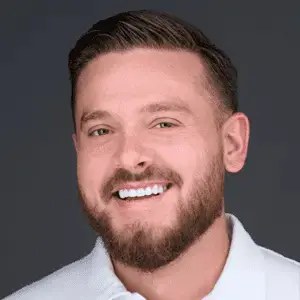
Founder
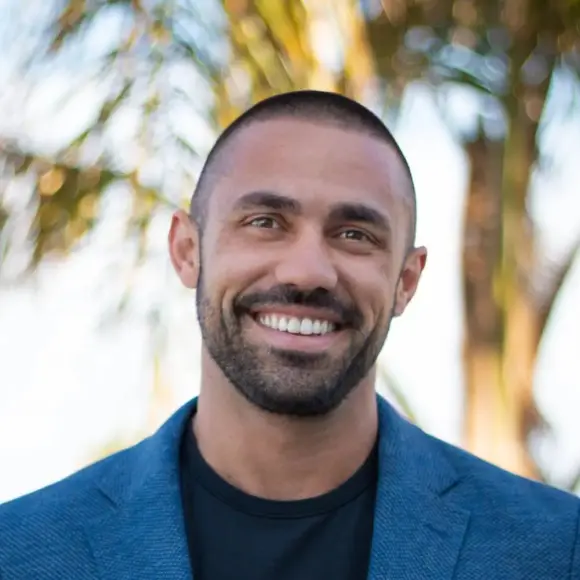
CEO
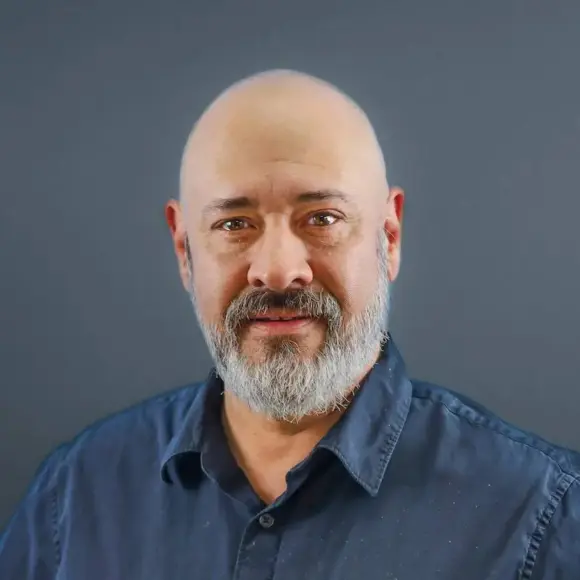
Clinical Director
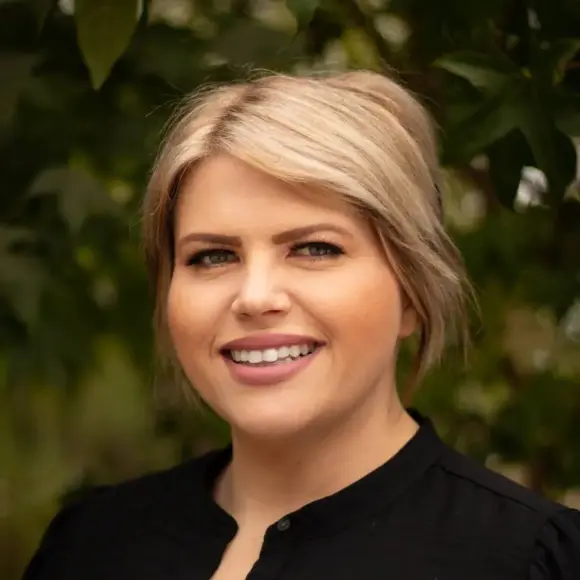
Program Director
Executive Director
Human Resources
Case Manager
Rehab.com regularly reviews this listing for accuracy but changes may occur between updates. For the most up-to-date information, please contact Renaissance Recovery Center.

327 W Lantana Rd
Lantana, FL 33462
Sponsored Helpline


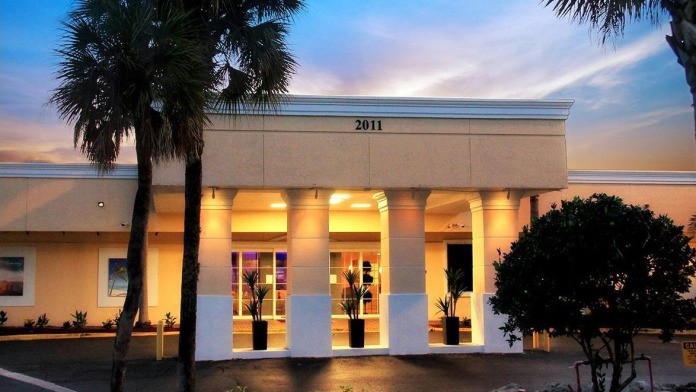
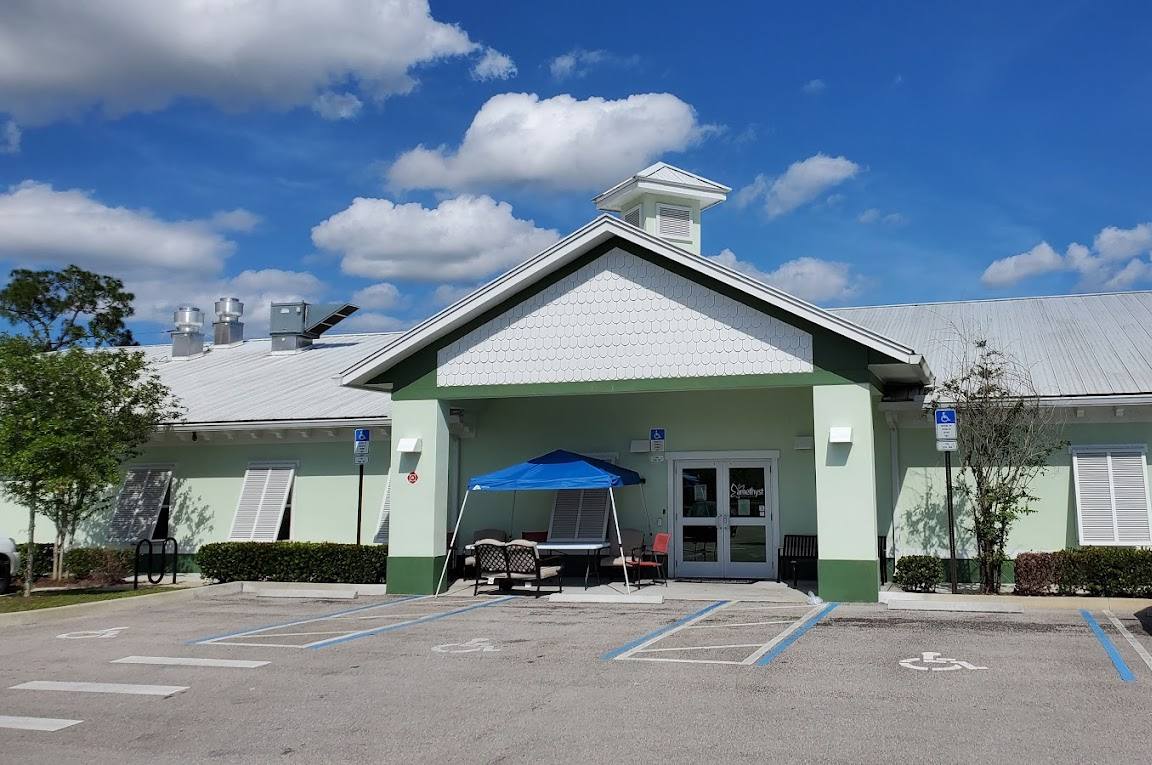
Beautiful facility right on the lake! Staff are top notch and super helpful.

I went here for PHP - I absolutely loved my peers but the reason for the one star review is a lot of people were continuously getting drunk / high and were given 5+ chances. Even to the point where some folks were using at the clinical building right under their noses and still were given an opportunity. Another female got drunk - wasted at that 3 different times and I told staff the last time. The staff member proceeded to tell a belligerent drunk female that I told and she started to scream at me. When I said that was inappropriate and spoke to that employee about the matter she told me I should have minded my own business. After telling the other employees I didn't feel comfortable with Elaine and asked if anybody else could take me places they would say no and try to force the situation. My discomfort did not matter. Also, I got sick and asked to go home after ordering my uber Richie (who I had spoken to maybe twice) told me I needed to submit a UA before leaving. I explained that I had already ordered the uber and was visibly ill and I asked to go home and nobody said anything about a UA prior to me leaving. I kept saying I didn't feel well and have never given them any reason to have suspicions. I told Richie I wasn't about to argue with him over my urine especially when I clearly do not look well. The case manager Sammy then proceeded to call my parents (mind you i'm 30) and gave my mom a whole panic attack because "I suspiciously wouldn't UA" and proceeded to tell my parents they believed I relapsed because of something Dr. Matt (the director) and I spoke about in confidence and did not tell them the whole story. Luckily, I was with them the whole week and they knew I was feeling sick prior to me leaving for PHP. I tried calling the Dr. Matt before leaving and he didn't answer or return my call. I told them I would not be returning and going to another facility. The same case manager told my parents I would not be happy at said facility and tried to get them to talk me out of it. Nick and Connor texted me a few times after I left trying to get me to return and when I ask for my completion letter and every time I do get crickets.

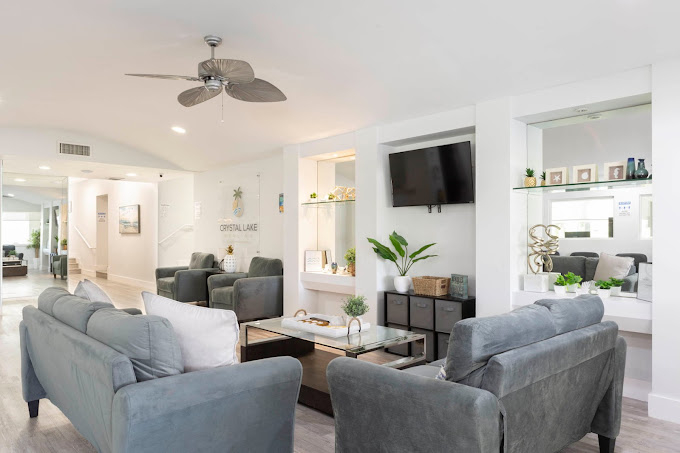
I left "The Best Treatment" in Lantana, FL to come here. They've done everything in their power to make it comfortable for everyone. They fixed my MAT meds immediately. Housing is comfortable. They'll transport you almost anywhere you need to go. Perfect mix of free time and classes. Weekends are relaxed and we have fun on outings. The techs are down to earth and aren't worried about writing you up. We aren't treated like a number. This place gives people chances that need it. Groups are awesome, and the Therapists are as good as they come. It's peaceful yet "safe" to be vulnerable. Food is awesome! They respect HIPPA. I just can't express how well rounded this place is and how much they truly want to help people. Take it from someone that's been up and down the east coast since 2020. If you really want to get sober and be comfortable doing so, let this be the place you find your inner peace
 Back
Back
Sharing your insights and experiences can help others learn more about this rehab center.
 Written By: Amy Ramirez-Leal
MA
Written By: Amy Ramirez-Leal
MA

