






























































































I am far beyond pleased and I take my hat off to the entire crew at Revive Pathways. As Chairman of a non profit organization I want to commend the staff and management at Revive Pathways in El Cajon. The care of the patient is always first and it shows from the doctors to t ...
About Revive Pathway
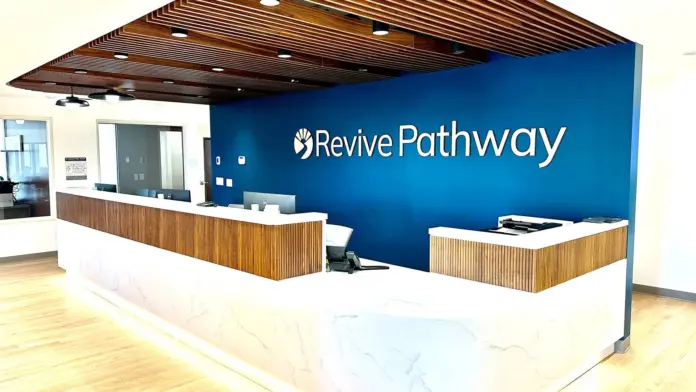
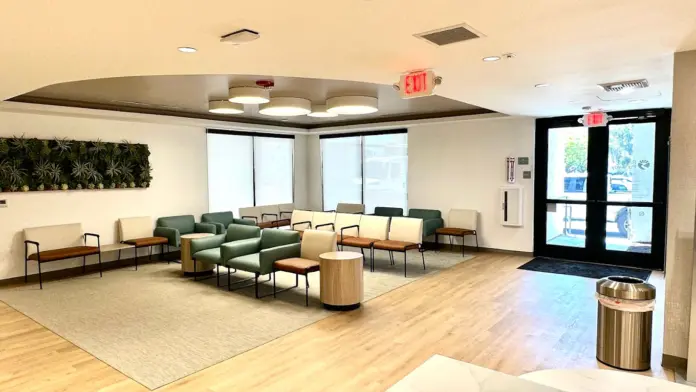
Revive Pathway provides specialized addiction and mental health treatment in El Cajon, California. This outpatient facility for adults uses proven therapeutic approaches and holistic methods to help you reach recovery.
Their program focuses on the whole person. They provide medication assisted treatment, using FDA approved medications, like Suboxone, Methadone, Vivitrol, buprenorphine, and Sublocade. When coupled with counseling, these prescriptions can help you manage withdrawal symptoms and cravings to promote long-term recovery. Additionally, they treat several co-occurring disorders in tandem with addiction.
One thing that makes them shine is that along with behavioral therapy, they complement care with medical services. You’ll have access to primary and urgent care, including HIV and Hepatitis C services, burns, cuts, and wound care, vaccines, boosters, and more. This encourages holistic healing as you work on multiple aspects of self-care to sustain recovery.
I also love that they connect you with resources and services in your community. You’ll benefit from food, housing, transportation, and other assistance to help you rebuild your life after completing treatment.
Latest Reviews
This place has saved my life not just my addiction problem but my mental health is also under control
This place is a lifesaver. A blessing from God I'd say. Staff absolutely incredibly kind, polite, and completely understanding and without judgement. Favorite doctors their would be Khadar and Wyatt. Honesty is the key. Be honest with them about everything. My intake was walk-in and took 2 hours...
The staff at the front desk & everyone I encounter there is so friendly. Adrianna helps me deal with my issues & Atta helps to find the medication that works for me

Rehab Score
 Our Methodology
Scoring is assigned by a proprietary system which helps surface key metrics that determine quality. The 10-point scale factors in categories such as operations, customer satisfaction, and trust metrics. Read Full Methodology

6.9 / 10
Gallery


Other Forms of Payment
Self-pay involves paying for treatment out of your own pocket. You can use savings or credit, get a personal loan, or receive help from family and friends to fund your treatment. If you don't have insurance or your insurance plan doesn't cover a specific program, self-pay can help ensure you still get the care you need.
Private insurance refers to any kind of healthcare coverage that isn't from the state or federal government. This includes individual and family plans offered by an employer or purchased from the Insurance Marketplace. Every plan will have different requirements and out of pocket costs so be sure to get the full details before you start treatment.
Medicare is a federal program that provides health insurance for those 65 and older. It also serves people under 65 with chronic and disabling health challenges. To use Medicare for addiction treatment you need to find a program that accepts Medicare and is in network with your plan. Out of pocket costs and preauthorization requirements vary, so always check with your provider.
Addiction Treatments
Levels of Care
Clients receiving treatment at an outpatient rehab typically do not require hospitalization or intensive supervision and support. Outpatient addiction counseling and recovery education are often offered during the morning, evening, night, and weekend, allowing clients to tailor treatment to their own schedule. Partial hospitalization (PHP) and intensive outpatient (IOP) programs are the most time-intensive and are designed for clients who are at an increased relapse risk and/or who need more robust therapeutic support.
When addicted, quitting your drug of choice suddenly can be dangerous. That's why experts agree a medically assisted detox is the safest way to remove addictive substances from the body. Usually done in an inpatient setting, your vitals signs and overall well being are consistently monitored and rechecked in order to keep you safe and ensure the detox is successful.
Treatments
Alcoholism, or alcohol use disorder (AUD), is defined by alcohol dependence. This is a state the body reaches when it experiences withdrawal symptoms in the absence of alcohol. A person who has AUD craves alcohol and continues to drink despite adverse consequences. Because withdrawing from alcohol can pose health risks, individuals with AUD should seek professional alcohol rehab in California to overcome their alcohol addiction. This process typically involves medical detox, rehabilitation, and maintenance.
Drug rehab in California teaches participants constructive ways to stay clean and sober. Treatment revolves around helping individuals stop using the substance they are addicted to and learn healthy habits to avoid relapse.
 Opioid Addiction
California's mental health and substance abuse rehabs provide dual-diagnosis treatment options for individuals looking to address co-occurring disorders. These programs are usually offered on either an inpatient or outpatient basis. You can usually expect a mental health assessment and personalized treatment plan, evidence-based therapies, like cognitive-behavioral therapy (CBT), experiential therapies like equine therapy, skills groups, and counseling to simultaneously address both mental health and substance abuse and drastically increase your chances of long-term sobriety.
In California, substance abuse treatment programs can help individuals with any type of substance use disorders and co-occurring conditions. These rehab programs typically encompass various levels of care, including medically assisted detox, intensive outpatient, outpatient, residential rehab, and partial hospitalization. You can expect clinicians to utilize evidence-based therapies like cognitive behavioral therapy (CBT), dialectical behavioral therapy (DBT), and mindfulness to help you achieve and sustain your recovery. The rehab's clinical team can provide a comprehensive assessment to determine the appropriate level of care and medical support you may need.
Inpatient treatment for drug and alcohol addiction with a focus on mental health is a good fit for people who need closer monitoring and care. Treatment may occur in a hospital setting, a clinic, or a luxury rehab center. Mental health counselors and staff are available 24/7. Therapies typically include group and individual counseling, relapse prevention education, and emotional coping skills training.
Programs
Adult rehab programs include therapies tailored to each client's specific needs, goals, and recovery progress. They are tailored to the specific challenges adult clients may face, including family and work pressures and commitments. From inpatient and residential treatment to various levels of outpatient services, there are many options available. Some facilities also help adults work through co-occurring conditions, like anxiety, that can accompany addiction.
Young adulthood can be an exciting, yet difficult, time of transition. Individuals in their late teens to mid-20s face unique stressors related to school, jobs, families, and social circles, which can lead to a rise in substance use. Rehab centers with dedicated young adult programs will include activities and amenities that cater to this age group, with an emphasis on specialized counseling, peer socialization, and ongoing aftercare.
Clinical Services
During group therapy, men and women learn to express their emotions openly in a non judgmental setting. This helps you process your feelings and reduces feelings of social isolation that are often associated with addiction.
Individual therapy for drug addiction includes a customized treatment plan that considers your history and life circumstances. During your therapy sessions, the therapist helps you uncover underlying issues and triggers for addictive behavior that support a holistic approach to recovery.
Amenities
-
 Private Rooms
Staff & Accreditations
Staff
Chrystal McIntire
Clinic Director
Robert Louis Kershner
Manager
Rafael Hernandez
Substance Use Disorder Counselor
Accreditations

The Substance Abuse and Mental Health Services Administration (SAMHSA) is a branch of the U.S. Department of Health and Human Services. Established in 1992 by congress, SAMHSA's mission is to reduce the impact of substance abuse and mental illness on American's communities.
SAMHSA Listed: Yes
Rehab.com regularly reviews this listing for accuracy but changes may occur between updates. For the most up-to-date information, please contact Revive Pathway.
Contact Information

1240 Broadway
El Cajon, CA 92021
Get Help Now - 619-816-1728
Sponsored Helpline
Sponsored Helpline


