































































































I really enjoyed my stay at Skywood and now that I am back in the real world I sometimes wish I was able to go back so I can get my head straight. I enjoyed the various group and individual therapy sessions as well as the outside activities. I am still using some of the copi ...
About Skywood Recovery
Since 2016 Skywood Recovery has been the leader of co-occurring addiction/mental health treatment services in Michigan.
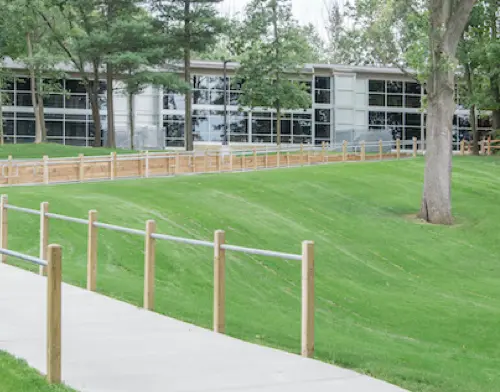
Our passionate team at Skywood is clinically prepared to facilitate medically supervised Detox, Residential Inpatient, Partial Hospitalization, Intensive outpatient, and/or Virtual outpatient services. Our serene 300-acre campus provides patients the ultimate tranquil experience with miles of walking trails, fishing ponds, climbing walls, yoga, bicycle rides, disc golf and plenty of sober activities.
Skywood utilizes a multi-modality approach featuring the following: · Individual Psychotherapy · Acceptance and Commitment · Cognitive Behavioral Therapy · Refuge Recovery · Dialectical Behavioral Therapy · Equine Therapy · Motivational Interviewing · Adventure Therapy · Art Therapy · Music Therapy · Family Therapy · Relapse Prevention · Wellbriety · S.M.A.R.T. Recovery
Foundations Recovery Network
Skywood Recovery is a member of Foundations Recovery Network, the premier provider of integrated treatment for co-occurring addiction and mental health concerns, offering residential and outpatient services nationwide.
We have Locations in California, Arizona, Minnesota and Michigan. At each facility, we focus on patient-centered care and an individualized approach, upholding a high standard of innovative treatment and compassionate attention to each patient’s needs. We are committed to providing evidence-based treatment for individuals with co-occurring disorders through clinical services, education and research.
Our purpose is to create lifetime relationships for long-term recovery. Everything we do is designed to support recovery in a comprehensive way, addressing the needs of the whole person-physically, emotionally, mentally and spiritually. We provide the foundation, you build the life.
Facility Overview
 40
40 Number of Available Beds
Latest Reviews
Good people, nice place, saved a life.
Response from the owner3 weeks ago
We are so glad to hear this! Thank you for taking the time to share your feedback with us. We hope you are doing well. Take care!
Skywood is an amazing facility. A mix of recovery, wildlife, damn good people and staff, and the food is brilliant!! I would recommend it to anyone struggling with addiction.
Response from the owner3 weeks ago
Thank you for sharing such kind words about Skywood and our team. We’re grateful for your recommendation and glad to know the environment, staff, and meals made a positive difference for you.
Skywood was a very pleasant experience for me given the circumstances. Staff is amazing and humbled real genuine people with lots of integrity. If it wasn’t for RA Ryan, I am not sure where I would be. One of the best guys I have met and is outstanding at his position.
Response from the owner3 weeks ago
Thank you for sharing your thoughtful feedback and kind words about our team, including Ryan. We truly appreciate you taking the time to recognize their dedication and support. 
Rehab Score
 Our Methodology
Scoring is assigned by a proprietary system which helps surface key metrics that determine quality. The 10-point scale factors in categories such as operations, customer satisfaction, and trust metrics. Read Full Methodology

8.1 / 10
Gallery
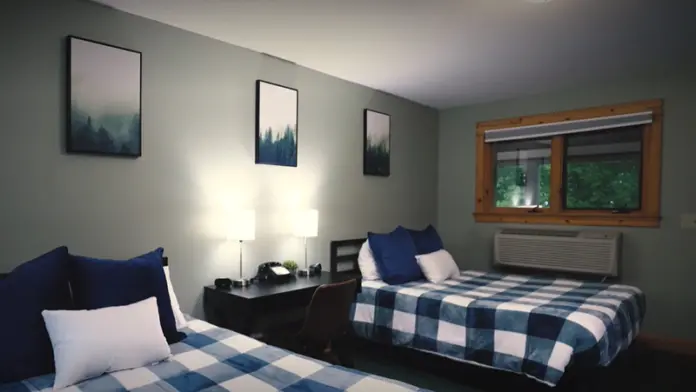
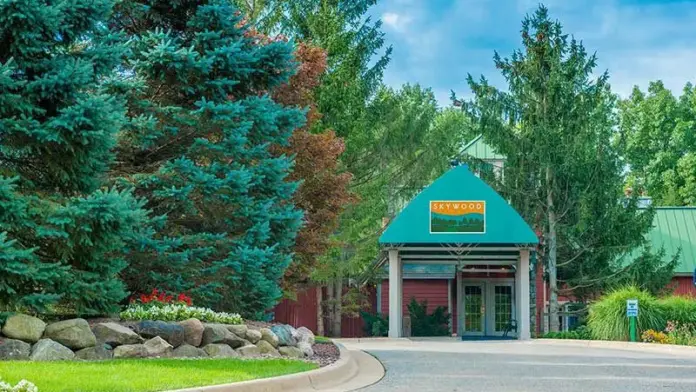
Accepted Insurance
Other Forms of Payment
Military members, veterans, and eligible dependents have access to specific insurance programs that help them get the care they need. TRICARE and VA insurance can help you access low cost or no cost addiction and mental health treatment. Programs that accept military insurance often have targeted treatment focused on the unique challenges military members, veterans, and their families face.
Private insurance refers to any kind of healthcare coverage that isn't from the state or federal government. This includes individual and family plans offered by an employer or purchased from the Insurance Marketplace. Every plan will have different requirements and out of pocket costs so be sure to get the full details before you start treatment.
Self-pay involves paying for treatment out of your own pocket. You can use savings or credit, get a personal loan, or receive help from family and friends to fund your treatment. If you don't have insurance or your insurance plan doesn't cover a specific program, self-pay can help ensure you still get the care you need.
Addiction Treatments
Levels of Care
Intensive Outpatient Programs (IOP) are for those who want or need a very structured treatment program but who also wish to live at home and continue with certain responsibilities (such as work or school). IOP substance abuse treatment programs vary in duration and intensity, and certain outpatient rehab centers will offer individualized treatment programs.
Residential treatment programs are those that offer housing and meals in addition to substance abuse treatment. Rehab facilities that offer residential treatment allow patients to focus solely on recovery, in an environment totally separate from their lives. Some rehab centers specialize in short-term residential treatment (a few days to a week or two), while others solely provide treatment on a long-term basis (several weeks to months). Some offer both, and tailor treatment to the patient's individual requirements.
12-step programs are addiction recovery models based on Alcoholics Anonymous (AA). A number of substance abuse programs (including some drug and alcohol rehab centers) use the 12 steps as a basis for treatment. Beginning steps involve admitting powerlessness over the addiction and creating a spiritual basis for recovery. Middle steps including making direct amends to those who've been hurt by the addiction, and the final step is to assist others in addiction recovery in the same way. 12-Step offshoots including Narcotics Anonymous (NA), Cocaine Anonymous (CA), Dual Recovery Anonymous (DRA), Sex & Love Addicts Anonymous (SLAA) and Gamblers Anonymous (GA). At Skywood, participation in 12-Step or similiar programs is voluntary. Their goal is to expose patients to different peer support recovery methods and allow them to choose what works best for them.
Outpatient Programs (OP) are for those seeking mental rehab or drug rehab, but who also stay at home every night. The main difference between outpatient treatment (OP) and intensive outpatient treatment (IOP) lies in the amount of hours the patient spends at the facility. Most of the time an outpatient program is designed for someone who has completed an inpatient stay and is looking to continue their growth in recovery. Outpatient is not meant to be the starting point, it is commonly referred to as aftercare.
While many people know it as "day treatment", a partial hospitalization program (PHP) offers treatment during the day and allows you to live at home. PHP treatment typically requires a commitment of at least 20 hours of treatment every week, with a program duration that spans approximately 90 days. While commuting is necessary, some programs offer telehealth options. PHP treatment plans usually include relapse prevention, medication management, and behavioral therapy.
Treatments
The goal of treatment for alcoholism is abstinence. Those with poor social support, poor motivation, or psychiatric disorders tend to relapse within a few years of treatment. For these people, success is measured by longer periods of abstinence, reduced use of alcohol, better health, and improved social functioning. Recovery and Maintenance are usually based on 12 step programs and AA meetings.
Drug rehab in Michigan provides personalized treatment to help individuals break this cycle and regain control of their lives. Treatment methods are used in various levels of care, including inpatient rehab, partial hospitalization programs, intensive outpatient programs, and standard outpatient treatment.
Many of those suffering from addiction also suffer from mental or emotional illnesses like schizophrenia, bipolar disorder, depression, or anxiety disorders. Rehab and other substance abuse facilities treating those with a dual diagnosis or co-occurring disorder administer psychiatric treatment to address the person's mental health issue in addition to drug and alcohol rehabilitation.
Opioid rehabs specialize in supporting those recovering from opioid addiction. They treat those suffering from addiction to illegal opioids like heroin, as well as prescription drugs like oxycodone. These centers typically combine both physical as well as mental and emotional support to help stop addiction. Physical support often includes medical detox and subsequent medical support (including medication), and mental support includes in-depth therapy to address the underlying causes of addiction.
In Michigan, specialized substance abuse treatment programs are available for individuals struggling with drug and alcohol use. These programs utilize evidence-based therapies such as cognitive-behavioral therapy (CBT), dialectical behavior therapy (DBT), and motivational interviewing. Treatment options usually include outpatient, inpatient, and residential programs, offering individuals a comprehensive approach to recovery. Through a combination of therapy, counseling, and support, treatment can help individuals regain control of their lives and achieve long-term sobriety.
Clinical Services
Cognitive Behavioral Therapy (CBT) is a therapy modality that focuses on the relationship between one's thoughts, feelings, and behaviors. It is used to establish and allow for healthy responses to thoughts and feelings (instead of unhealthy responses, like using drugs or alcohol). CBT has been proven effective for recovering addicts of all kinds, and is used to strengthen a patient's own self-awareness and ability to self-regulate. CMT allows individuals to monitor their own emotional state, become more adept at communicating with others, and manage stress without needing to engage in substance abuse. During a CBT session, patients are shown how to think and behave in ways that will help them reach their self-stated goals. Patients can “unlearn” their unwanted reactions and choose new responses to their thoughts and feelings.
Dialectical Behavior Therapy (DBT) is a modified form of Cognitive Behavioral Therapy (CBT), a treatment designed to help people understand and ultimately affect the relationship between their thoughts, feelings, and behaviors. DBT is often used for individuals who struggle with self-harm behaviors, such as self-mutilation (cutting) and suicidal thoughts, urges, or attempts. It has been proven clinically effective for those who struggle with out-of-control emotions and mental health illnesses like Borderline Personality Disorder.
Equine therapy, aka equine-assisted therapy (EAT), is a form of experiential therapy that involves interactions and activities with horses. It does not necessarily involve riding horses, but all activities related to horses, such as feeding, grooming, haltering and leading them. A mental health professional frequently oversees the activities (often in conjunction with a horse professional), and helps patients process their thoughts, feelings, and behavior patterns during and/or after the interaction. Skywood’s Equine Therapy program takes place at the prestigious Cheff Therapeutic Riding Center in nearby Augusta, Michigan. Opened in 1970, the Cheff Center offers therapy services and therapeutic riding year-round, striving to focus on what individuals can accomplish, not on what they cannot. Not only do they offer Equine Therapy and other programs for specialty populations, they also serve as an international training and education center for therapeutic riding programs.
EMDR is a therapeutic modality originally developed to help process trauma. In an EMDR session, a patient is prompted to undergo eye movements that mimic those of REM sleep. This is accomplished by watching a therapist's finger move back and forth across, or following a bar of light. The goal is repetitive sets of eye movements that help the brain reprocess memory, which can significantly reduce the intensity of remembered traumatic incidents. Associated memories can heal simultaneously, leaving patients significantly calmer, more stable, and more emotionally relaxed.
Research clearly demonstrates that recovery is far more successful and sustainable when loved ones like family members participate in rehab and substance abuse treatment. Genetic factors may be at play when it comes to drug and alcohol addiction, as well as mental health issues. Family dynamics often play a critical role in addiction triggers, and if properly educated, family members can be a strong source of support when it comes to rehabilitation. At Skywood, they have an emphasis on bringing families together for counseling and quality time that can benefit both patients and their loved ones. This is accomplished with the help of a qualified therapist who can influence positive discussion and promote a healing environment. As the family members learn about addiction and mental health conditions, they gain a new understanding of how they themselves can heal and support the recovery process.
Group therapy is any therapeutic work that happens in a group (not one-on-one). There are a number of different group therapy modalities, including support groups, experiential therapy, psycho-education, and more. Group therapy involves treatment as well as processing interaction between group members. Group therapy offers a safe space where each individual can connect to others who are on the same journey. Even difficult addiction histories can benefit from a supportive group of peers in the right environment. Group therapy is led by experienced and licensed mental health care and recovery professionals.
In individual therapy, a patient meets one-on-one with a trained psychologist or counselor. Therapy is a pivotal part of effective substance abuse treatment, as it often covers root causes of addiction, including challenges faced by the patient in their social, family, and work/school life.
Motivational Interviewing (MI) is a clinical approach to helping people with substance abuse issues and other conditions shift behavior in positive ways. It is more goal-oriented than traditional psychotherapy, as MI counselors directly attempt to get clients to consider making behavioral change (rather than wait for them to come to conclusions themselves). Its primary purpose is to resolve ambivalence and help clients become able to make healthy choices freely.
Trauma therapy addresses traumatic incidents from a client's past that are likely affecting their present-day experience. Trauma is often one of the primary triggers and potential causes of addiction, and can stem from child sexual abuse, domestic violence, having a parent with a mental illness, losing one or both parents at a young age, teenage or adult sexual assault, or any number of other factors. The purpose of trauma therapy is to allow a patient to process trauma and move through and past it, with the help of trained and compassionate mental health professionals.
Amenities
-
 Art activities
 -
 Basketball court
 -
 Hiking
 -
 Massage room
 -
 Music room
 -
 Pet friendly
 -
 Tennis court
 -
 Volleyball court
 -
 Yoga studio
Accreditations

The Joint Commission, formerly known as JCAHO, is a nonprofit organization that accredits rehab organizations and programs. Founded in 1951, the Joint Commision's mission is to improve the quality of patient care and demonstrating the quality of patient care.
Joint Commission Accreditation: Yes
Rehab.com regularly reviews this listing for accuracy but changes may occur between updates. For the most up-to-date information, please contact Skywood Recovery.
Contact Information

10499 North 48th Street
Augusta MI, 49012
Get Help Now - 269-266-3914
Sponsored Helpline
Sponsored Helpline



