





























































































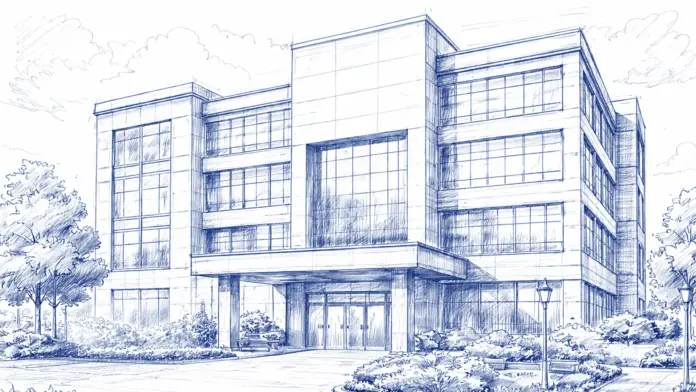


I went to this group home when I was a young girl. The abuse I and some of the others went through was written out of a book set in a nightmare. This place has been shut down a couple times and reopen with people changes.
About Spectrum Care Academy
Spectrum Care Academy is a residential treatment center in Columbia, Kentucky, specializing in mental health care for adolescent girls ages 13 to 17. The program offers evidence based therapies, including CBT, DBT, individual counseling, group therapy and family therapy to address serious emotional disturbance and co-occurring mental health and substance use concerns. Spectrum Care Academy provides structured, compassionate care in a unique farm based environment designed to support healing and emotional growth.
Residential Mental Health Treatment for Adolescent Girls
Spectrum Care Academy focuses on helping teens navigate serious emotional disturbance, dual-diagnosis conditions and behavioral health challenges through residential care. The program integrates cognitive behavioral therapy, dialectical behavior therapy and behavior modification to build coping skills, emotional regulation and healthy relationships.
Treatment includes individual psychotherapy, group therapy and family sessions, with access to medication services when clinically appropriate. Teens work through underlying issues while developing practical skills for managing thoughts, emotions, and behaviors in a supportive, structured setting.
Nature Based Campus and Holistic Supports
The program is set on a 40-acre farm campus featuring outdoor amenities like ponds, trails, a stream and a historic cabin. This nature environment supports activity therapy, mindfulness and therapeutic recreation as part of the overall treatment approach. Beyond clinical therapy, the program offers case management and education services to help teens maintain academic progress and transition successfully.
Location, Insurance and Getting Started
Spectrum Care Academy is located on Campbellsville Road in Columbia, Kentucky, providing residential treatment in a campus setting.
The program accepts Medicaid and offers cash or self pay options.
Latest Reviews
I’ve been here for 7 years and I have only seen it improve with the new ownership that has taken place. The staff are great to be around and the facility has a positive environment that is so welcoming!
I miss my freinds a lot idc what they say they were my freinds especially S.B. And I struggled at first but slowly got better can’t say I’m fully better tho still struggling alot but I miss some of the staff others not so much can be mentally abusive Sometimes if I’m being honest.
Slay sister slay👍

Rehab Score
 Our Methodology
Scoring is assigned by a proprietary system which helps surface key metrics that determine quality. The 10-point scale factors in categories such as operations, customer satisfaction, and trust metrics. Read Full Methodology

4.5 / 10
Location
Other Forms of Payment
Medicaid is a state based program that helps lower-income individuals and families pay for healthcare. Medicaid covers addiction treatment so those enrolled can use their coverage to pay for rehab. When a program accepts Medicaid the client often pays very little or nothing out of their own pocket.
Self-pay involves paying for treatment out of your own pocket. You can use savings or credit, get a personal loan, or receive help from family and friends to fund your treatment. If you don't have insurance or your insurance plan doesn't cover a specific program, self-pay can help ensure you still get the care you need.
Addiction Treatments
Levels of Care
Residential treatment programs are those that offer housing and meals in addition to substance abuse treatment. Rehab facilities that offer residential treatment allow patients to focus solely on recovery, in an environment totally separate from their lives. Some rehab centers specialize in short-term residential treatment (a few days to a week or two), while others solely provide treatment on a long-term basis (several weeks to months). Some offer both, and tailor treatment to the patient's individual requirements.
Treatments
Mental health rehabs focus on helping individuals recover from mental illnesses like bipolar disorder, clinical depression, anxiety disorders, schizophrenia, and more. Mental health professionals at these facilities are trained to understand and treat mental health issues, both in individual and group settings.
Clinical Services
Cognitive Behavioral Therapy (CBT) is a therapy modality that focuses on the relationship between one's thoughts, feelings, and behaviors. It is used to establish and allow for healthy responses to thoughts and feelings (instead of unhealthy responses, like using drugs or alcohol). CBT has been proven effective for recovering addicts of all kinds, and is used to strengthen a patient's own self-awareness and ability to self-regulate. CBT allows individuals to monitor their own emotional state, become more adept at communicating with others, and manage stress without needing to engage in substance abuse.
Dialectical Behavior Therapy (DBT) is a modified form of Cognitive Behavioral Therapy (CBT), a treatment designed to help people understand and ultimately affect the relationship between their thoughts, feelings, and behaviors. DBT is often used for individuals who struggle with self-harm behaviors, such as self-mutilation (cutting) and suicidal thoughts, urges, or attempts. It has been proven clinically effective for those who struggle with out-of-control emotions and mental health illnesses like Borderline Personality Disorder.
Experiential therapy is a form of therapy in which clients are encouraged to surface and work through subconscious issues by engaging in real-time experiences. Experiential therapy departs from traditional talk therapy by involving the body, and having clients engage in activities, movements, and physical and emotional expression. This can involve role-play or using props (which can include other people). Experiential therapy can help people process trauma, memories, and emotion quickly, deeply, and in a lasting fashion, leading to substantial and impactful healing.
Group therapy is any therapeutic work that happens in a group (not one-on-one). There are a number of different group therapy modalities, including support groups, experiential therapy, psycho-education, and more. Group therapy involves treatment as well as processing interaction between group members.
In individual therapy, a patient meets one-on-one with a trained psychologist or counselor. Therapy is a pivotal part of effective substance abuse treatment, as it often covers root causes of addiction, including challenges faced by the patient in their social, family, and work/school life.
Nutrition therapy, aka medical nutrition therapy (MNT), is a way of treating physical, emotional, and medical conditions through diet. Specific dietary plans are designed by professional nutritionists or registered dietitians, and patients follow them in order to positively affect their physical and mental health.
Rehab.com regularly reviews this listing for accuracy but changes may occur between updates. For the most up-to-date information, please contact Spectrum Care Academy.
Contact Information

4500 Campbellsville Road
Columbia, KY 42728
Get Help Now - 859-592-2997
Sponsored Helpline
Sponsored Helpline


