





























































































About Steppingstones to Recovery
Steppingstones to Recovery is a substance use and mental health treatment provider in Augusta, Georgia. The center specializes in flexible evidence based care for adults managing addiction and/or co-occurring mental health conditions with a strong focus on long term support.
What programs does Steppingstones to Recovery offer?
The centerpiece is an Intensive Outpatient Program with morning and evening group sessions five days a week for six weeks, totaling 30 three hour sessions designed around work and family schedules. After IOP clients receive one year of free weekly aftercare.
If relapse occurs within that year a one week refresher program is offered at no charge. The center also provides client outpatient counseling for substance use or mental health concerns, family workshops, telehealth psychiatry, and court or DUI evaluations.
Who can get treatment here?
Steppingstones to Recovery serves adults with substance use disorders, mental health conditions such as depression, anxiety, or bipolar disorder, and co-occurring diagnoses. Family members and close friends are welcomed to participate in weekly family programming.
Where is it located?
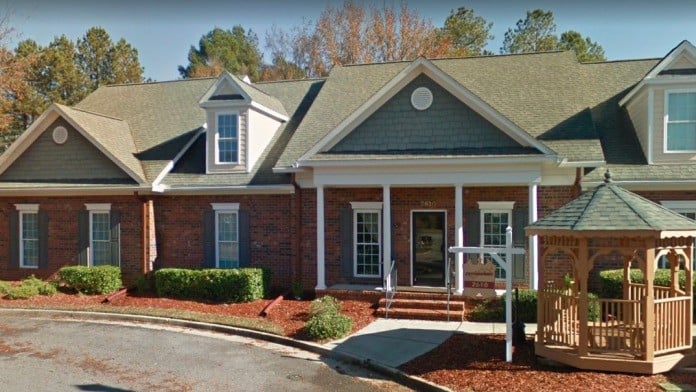
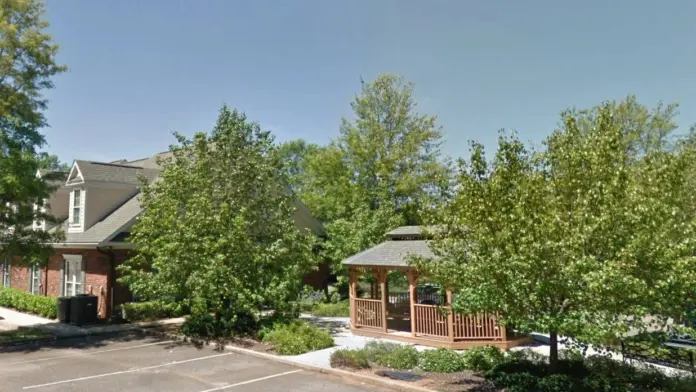
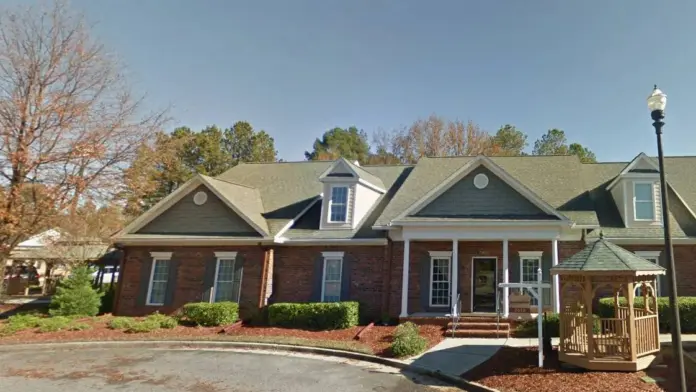
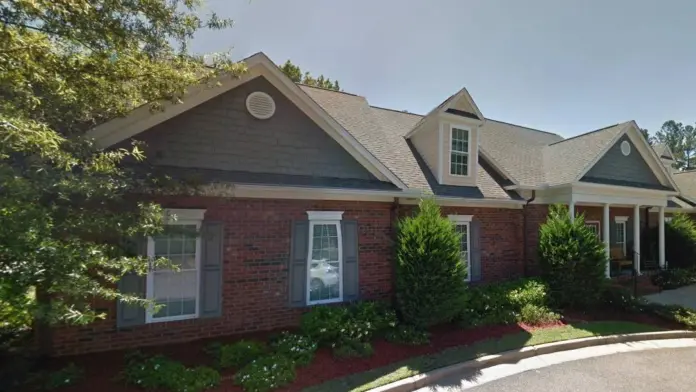
The center is on Commons Boulevard in Augusta in the Williamsburg Commons complex. The custom built space is designed to feel warm and inviting with a coffee station, gazebos, and comfortable areas that encourage connection.
Latest Reviews



Rehab Score
 Our Methodology


Gallery
Accepted Insurance
Other Forms of Payment
Private insurance refers to any kind of healthcare coverage that isn't from the state or federal government. This includes individual and family plans offered by an employer or purchased from the Insurance Marketplace. Every plan will have different requirements and out of pocket costs so be sure to get the full details before you start treatment.
Self-pay involves paying for treatment out of your own pocket. You can use savings or credit, get a personal loan, or receive help from family and friends to fund your treatment. If you don't have insurance or your insurance plan doesn't cover a specific program, self-pay can help ensure you still get the care you need.
Financial aid can take many forms. Centers may have grants or scholarships available to clients who meet eligibility requirements. Programs that receive SAMHSA grants may have financial aid available for those who need treatment as well. Grants and scholarships can help you pai for treatment without having to repay.
Sliding scale payments are based on a client's income and family size. The goal is to make treatment affordable to everyone. By taking these factors into account, addiction recovery care providers help ensure that your treatment does not become a financial burden to you or your family, eliminating one barrier to care.
Medicaid is a state based program that helps lower-income individuals and families pay for healthcare. Medicaid covers addiction treatment so those enrolled can use their coverage to pay for rehab. When a program accepts Medicaid the client often pays very little or nothing out of their own pocket.
Financing your treatment can make treatment more accessible. You'll work with your care provider to set up payment plans, including interest rates and repayment timelines. Financing options vary widely and not all programs offer them, so be sure to get the full details before enrolling in treatment. If you have insurance or other benefits, financing may help you cover your remaining out of pocket expenses.
Addiction Treatments
Levels of Care
Outpatient Programs (OP) are for those seeking mental rehab or drug rehab, but who also stay at home every night. The main difference between outpatient treatment (OP) and intensive outpatient treatment (IOP) lies in the amount of hours the patient spends at the facility. Most of the time an outpatient program is designed for someone who has completed an inpatient stay and is looking to continue their growth in recovery. Outpatient is not meant to be the starting point, it is commonly referred to as aftercare.
Inpatient rehabs feature intensive clinical supervision and a highly structured and supportive environment, meaning they are especially well suited for clients in early recovery and those at risk of relapse. Clients reside at the treatment facility and engage in various therapeutic sessions throughout the day, including addiction counseling and recovery-focused life skills training. Many programs also offer evidence-based complementary therapies, such as meditation and massage.
Intensive Outpatient programs are for those who want or need a very structured treatment program but who also wish to live at home and continue with certain responsibilities (such as work or school). Their intensive outpatient drug rehab programs provide clients guidance from master’s level clinicians and addiction specialists and help them get support from others on their own recovery journey. Clients learn a range of valuable recovery skills in intensive outpatient treatment. In their IOP, clients develop the skills and relationships needed to sustain recovery from alcohol and other drug use while keeping up with job, school and family commitments.
Aftercare, which is sometimes referred to as continuing care or relapse prevention, is a type of structured care meant to help you continue with the progress you've made after completing an addiction treatment program. Most of the time, you'll continue receiving support after a treatment program by partnering with their case managers and staff to identify and access the resources you need to remain sober.
Participants in 12 step recovery programs focus on personal growth to address the emotional and psychological factors contributing to their addiction. 12 step recovery is rooted in spiritual development, but religious affiliation isn't required. Regular group meetings and individualized support with the help of self-selected sponsors promote participants' sobriety as they work through the 12 steps, gaining insight into their addiction, taking responsibility for their life choices, and releasing control over that which is uncontrollable.
Sober living homes in Georgia offers an alternative to the abrupt change of moving from intensive treatment to an unstructured home environment. Men's and women's sober living homes replicate everyday life situations, but they do so in a sober environment while also reinforcing healthy habits. This reduces the chance of relapse. Individuals who could use extra support after rehab or don't have a stable home environment can benefit from this transitional option.
Designed for individuals who don't require round-the-clock care, a partial hospitalization program (PHP) is a form of outpatient care with a higher level of support. PHP treatment can be an alternative to inpatient hospitalization or a step-down option. With daily sessions lasting 6 to 8 hours, up to 5 days a week, a partial hospitalization program may offer medication management, relapse prevention techniques, and behavioral therapy interventions. PHP treatment can be fully or partially covered by insurance.
Treatments
The goal of treatment for alcoholism is abstinence. Those with poor social support, poor motivation, or psychiatric disorders tend to relapse within a few years of treatment. For these people, success is measured by longer periods of abstinence, reduced use of alcohol, better health, and improved social functioning. Recovery and Maintenance are usually based on 12 step programs and AA meetings.
A quality drug rehab in Georgia can help you overcome addiction. This environment is designed to help you address the complex issues contributing to drug dependence. The goal of treatment is to give you the tools you need to make a full recovery.
When the person has both a substance abuse problem and a mental health issue such as depression, bipolar disorder, or anxiety, it is called a co-occurring disorder or dual diagnosis. Because there are many combinations of disorders that can occur, the symptoms of dual diagnosis vary widely. A Co-Occurring Disorder is a very broad category; it can range from someone developing mild depression because of binge drinking, to someone’s symptoms of bipolar disorder becoming more severe when that person abuses heroin during periods of mania. Either mental illness or substance abuse can develop first. Untreated co-occurring disorders can lead to major problems at home and work and in the daily life, so it’s important to seek help. The best treatment for co-occurring disorders is an integrated approach, where both the substance abuse problem and the mental disorder are treated simultaneously, often lowering costs and creating better outcomes.
Substance rehabs focus on helping individuals recover from substance abuse, including alcohol and drug addiction (both illegal and prescription drugs). They often include the opportunity to engage in both individual as well as group therapy.
 Opioid Addiction
 Mental Health And Substance Abuse
Addiction treatment programs in Georgia help individuals to address substance abuse problems. With various programs available, including outpatient, inpatient, and partial hospitalization programs, you can find the right level of care for your specific needs. You can generally expect drug and alcohol rehab to incorporate evidence-based therapies, such as cognitive-behavioral therapy (CBT), skills training, recovery meetings, and mindfulness-based therapy. When combined, these interventions can successfully help you overcome addiction and continue to enjoy long-term mental health.
Programs
Adult rehab programs include therapies tailored to each client's specific needs, goals, and recovery progress. They are tailored to the specific challenges adult clients may face, including family and work pressures and commitments. From inpatient and residential treatment to various levels of outpatient services, there are many options available. Some facilities also help adults work through co-occurring conditions, like anxiety, that can accompany addiction.
Young adulthood can be an exciting, yet difficult, time of transition. Individuals in their late teens to mid-20s face unique stressors related to school, jobs, families, and social circles, which can lead to a rise in substance use. Rehab centers with dedicated young adult programs will include activities and amenities that cater to this age group, with an emphasis on specialized counseling, peer socialization, and ongoing aftercare.
Clinical Services
Cognitive Behavioral Therapy (CBT) is a therapy modality that focuses on the relationship between one's thoughts, feelings, and behaviors. It is used to establish and allow for healthy responses to thoughts and feelings (instead of unhealthy responses, like using drugs or alcohol). CBT has been proven effective for recovering addicts of all kinds, and is used to strengthen a patient's own self-awareness and ability to self-regulate. CBT allows individuals to monitor their own emotional state, become more adept at communicating with others, and manage stress without needing to engage in substance abuse.
Group therapy is any therapeutic work that happens in a group (not one-on-one). There are a number of different group therapy modalities, including support groups, experiential therapy, psycho-education, and more. Group therapy involves treatment as well as processing interaction between group members.
In individual therapy, a patient meets one-on-one with a trained psychologist or counselor. Therapy is a pivotal part of effective substance abuse treatment, as it often covers root causes of addiction, including challenges faced by the patient in their social, family, and work/school life.
Motivational Interviewing (MI) is a clinical approach to helping people with substance abuse issues and other conditions shift behavior in positive ways. It is more goal-oriented than traditional psychotherapy, as MI counselors directly attempt to get clients to consider making behavioral change (rather than wait for them to come to conclusions themselves). Its primary purpose is to resolve ambivalence and help clients become able to make healthy choices freely.
The skills you learn in couples therapy are designed to help you successfully address relationship challenges as they arise. These skills can include anger management, conflict resolution, communication, and problem solving.
 Eye Movement Desensitization And Reprocessing
Steppingstones believes that substance abuse affects the entire family and social unit and knows that the whole system must heal as well in order to maintain balance in recovery. This program is for family members, friends, employeers, and significant others and is offered for no extra charge.
Many life skills involve coping with emotions and stress. Others involve completing tasks that allow you to live independently. Examples include finding a job, managing finances, and nutrition. During rehab in Georgia, you'll work on any skills that are lacking to ensure you have the tools for success post treatment.
While each person is unique, the typical length for dialectical behavior therapy is six months to a year. You'll attend weekly hour long individual sessions with your therapist, as well as weekly group sessions. Homework between sessions often includes keeping a diary to track your emotions and behaviors. Your therapist uses this diary to guide the focus of each session.
Amenities
-
 Residential Setting
 -
 Private Rooms
 -
 Private Setting
Staff & Accreditations
Staff

Ken Wilson, MDiv, CAC II, MAC
Executive Director
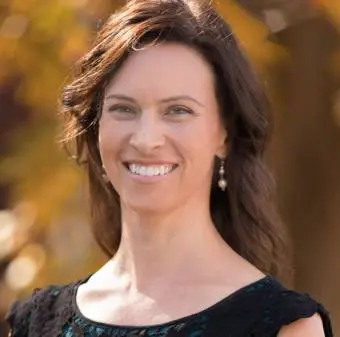
Jessica Worsham, LCSW, CADC
Clinical Director

Jessica Pealer, MBA
Office Manager
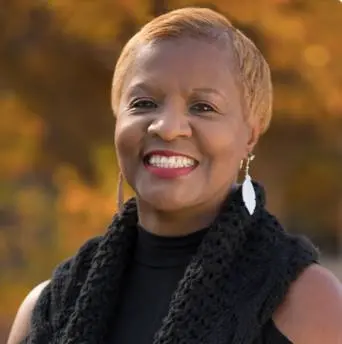
LaDetria King, LPC
Counselor
Accreditations

The Commission on Accreditation of Rehabilitation Facilities (CARF) is a non-profit organization that specifically accredits rehab organizations. Founded in 1966, CARF's, mission is to help service providers like rehab facilities maintain high standards of care.
CARF Accreditation: Yes

State Licenses are permits issued by government agencies that allow rehab organizations to conduct business legally within a certain geographical area. Typically, the kind of program a rehab facility offers, along with its physical location, determines which licenses are required to operate legally.
State License: Georgia
Rehab.com regularly reviews this listing for accuracy but changes may occur between updates. For the most up-to-date information, please contact Steppingstones to Recovery.
Contact Information


2610 Commons Boulevard
Augusta, GA 30909
Sponsored Helpline

