










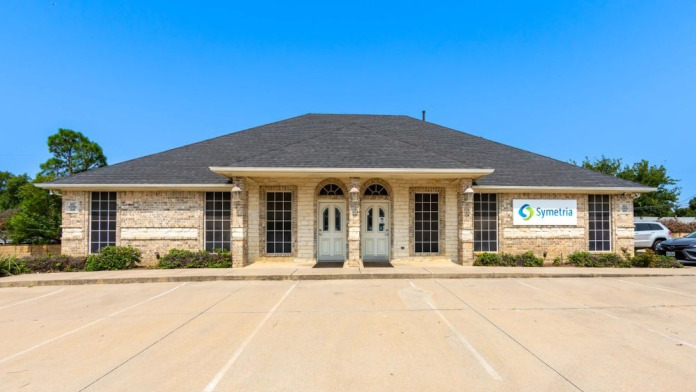
Symetria — Hurst Outpatient Rehab & Suboxone Clinic
1
Top 10 Rehab Centers In Hurst



















































































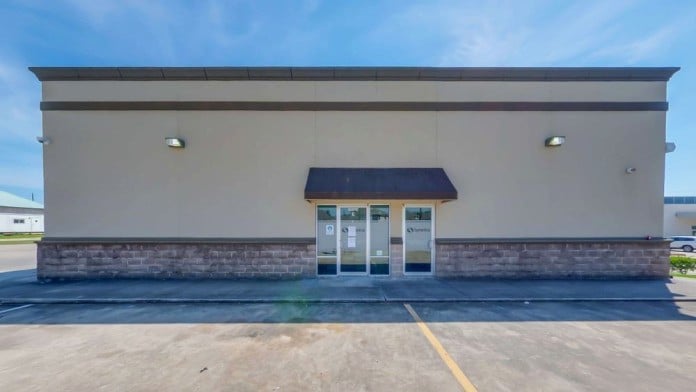
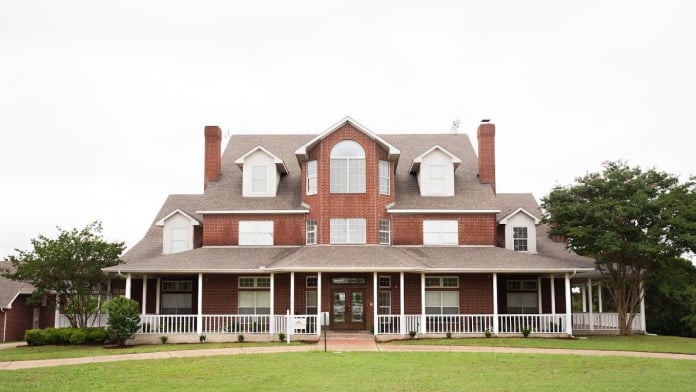
Symetria Recovery’s Spring center is a Suboxone clinic and outpatient rehab facility situated in Montgomery County, Texas. Instead of treating you like a number or a label, they value your uniqueness and treat you with respect. They provide outpatient (OP) counseling and medication assisted treatment (MAT).
Their facility provides quick access to prescriptions like methadone and Suboxone that can help you manage opioid cravings and withdrawals during detox or for long term maintenance. They also offer Vivitrol injections, a monthly offsite non-addictive shot that helps reduce cravings for drugs and alcohol.
You can continue your daily activities at home while receiving effective therapy through their intensive outpatient program (IOP). Working with a Master’s level therapist who truly cares about your well being, you will have unlimited one on one therapy sessions. Cognitive behavioral therapy (CBT) is used in this individualized approach. You’ll discover how to identify and correct skewed thought patterns. Other methods are also used by therapists when necessary, such as mindfulness based cognitive therapy to reduce negative thought patterns and dialectical behavioral therapy (DBT) to deal with strong emotions.
The clinic is set up to help people who are addicted to opioids such as heroin and different prescription painkillers. For individuals battling alcoholism, Vivitrol offer a practical substitute for effectively controlling cravings.
You can participate in the IOP for as long as you believe it will be beneficial. However, the center recommends that you do so for at least 90 days. If you have a setback, it’s okay to re-enroll so you can receive the assistance you need to finish your current course.
They have been named a Blue Distinction Center and have earned the CARF Gold Seal. The Better Business Bureau continues to award them the highest A+ rating for reliable business practices and they have fairly consistent reviews. Moreover, they hold LegitScript certification.
 15
15 
 Our Methodology


Self-pay involves paying for treatment out of your own pocket. You can use savings or credit, get a personal loan, or receive help from family and friends to fund your treatment. If you don't have insurance or your insurance plan doesn't cover a specific program, self-pay can help ensure you still get the care you need.
Private insurance refers to any kind of healthcare coverage that isn't from the state or federal government. This includes individual and family plans offered by an employer or purchased from the Insurance Marketplace. Every plan will have different requirements and out of pocket costs so be sure to get the full details before you start treatment.
Intensive Outpatient Programs (IOP) are for those who want or need a very structured treatment program but who also wish to live at home and continue with certain responsibilities (such as work or school). IOP substance abuse treatment programs vary in duration and intensity, and certain outpatient rehab centers will offer individualized treatment programs.
Outpatient Programs (OP) are for those seeking mental rehab or drug rehab, but who also stay at home every night. The main difference between outpatient treatment (OP) and intensive outpatient treatment (IOP) lies in the amount of hours the patient spends at the facility. Most of the time an outpatient program is designed for someone who has completed an inpatient stay and is looking to continue their growth in recovery. Outpatient is not meant to be the starting point, it is commonly referred to as aftercare.
Completing a drug or alcohol rehab program shouldn't spell the end of substance abuse treatment. Aftercare involves making a sustainable plan for recovery, including ongoing support. This can include sober living arrangements like halfway houses, career counseling, and setting a patient up with community programs like Alcoholics Anonymous (AA) or Narcotics Anonymous (NA).
Drug and alcohol addiction often takes a heavy toll on one's body. Over time, a physical dependence can develop, meaning the body physiologically needs the substance to function. Detox is the process of removing drugs and/or alcohol from the body, a process that can be lethal if mismanaged. Medical detox is done by licensed medical professionals who monitor vital signs and keep you safe, healthy, and as comfortable as possible as you go through detox and withdrawal. The length of stay at the detoxification program is determined according to the specific needs of the patient.
Many of those suffering from addiction also suffer from mental or emotional illnesses like schizophrenia, bipolar disorder, depression, or anxiety disorders. Rehab and other substance abuse facilities treating those with a dual diagnosis or co-occurring disorder administer psychiatric treatment to address the person's mental health issue in addition to drug and alcohol rehabilitation.
Opioid rehabs specialize in supporting those recovering from opioid addiction. They treat those suffering from addiction to illegal opioids like heroin, as well as prescription drugs like oxycodone. These centers typically combine both physical as well as mental and emotional support to help stop addiction. Physical support often includes medical detox and subsequent medical support (including medication), and mental support includes in-depth therapy to address the underlying causes of addiction.
Substance rehabs focus on helping individuals recover from substance abuse, including alcohol and drug addiction (both illegal and prescription drugs). They often include the opportunity to engage in both individual as well as group therapy.
Adult rehab programs include therapies tailored to each client's specific needs, goals, and recovery progress. They are tailored to the specific challenges adult clients may face, including family and work pressures and commitments. From inpatient and residential treatment to various levels of outpatient services, there are many options available. Some facilities also help adults work through co-occurring conditions, like anxiety, that can accompany addiction.
Cognitive Behavioral Therapy (CBT) is a therapy modality that focuses on the relationship between one's thoughts, feelings, and behaviors. It is used to establish and allow for healthy responses to thoughts and feelings (instead of unhealthy responses, like using drugs or alcohol). CBT has been proven effective for recovering addicts of all kinds, and is used to strengthen a patient's own self-awareness and ability to self-regulate. CBT allows individuals to monitor their own emotional state, become more adept at communicating with others, and manage stress without needing to engage in substance abuse.
Dialectical Behavior Therapy (DBT) is a modified form of Cognitive Behavioral Therapy (CBT), a treatment designed to help people understand and ultimately affect the relationship between their thoughts, feelings, and behaviors. DBT is often used for individuals who struggle with self-harm behaviors, such as self-mutilation (cutting) and suicidal thoughts, urges, or attempts. It has been proven clinically effective for those who struggle with out-of-control emotions and mental health illnesses like Borderline Personality Disorder.
Research clearly demonstrates that recovery is far more successful and sustainable when loved ones like family members participate in rehab and substance abuse treatment. Genetic factors may be at play when it comes to drug and alcohol addiction, as well as mental health issues. Family dynamics often play a critical role in addiction triggers, and if properly educated, family members can be a strong source of support when it comes to rehabilitation.
Group therapy is any therapeutic work that happens in a group (not one-on-one). There are a number of different group therapy modalities, including support groups, experiential therapy, psycho-education, and more. Group therapy involves treatment as well as processing interaction between group members.
In individual therapy, a patient meets one-on-one with a trained psychologist or counselor. Therapy is a pivotal part of effective substance abuse treatment, as it often covers root causes of addiction, including challenges faced by the patient in their social, family, and work/school life.
Life skills trainings involve all the skills a person must have in order to function successfully in the world. These include time management, career guidance, money management, and effective communication. Truly successful addiction recovery is based on the ability to not only live substance-free, but to thrive. Life skills teaches the practical necessities of functioning in society, which sets clients up for success in life, and therefore sobriety.
CEO
Chief Clinical Officer
COO
Senior Medical Advisor

The Commission on Accreditation of Rehabilitation Facilities (CARF) is a non-profit organization that specifically accredits rehab organizations. Founded in 1966, CARF's, mission is to help service providers like rehab facilities maintain high standards of care.
CARF Accreditation: Yes

LegitScript has reviewed Symetria Recovery – Spring as part of their certification program, and has determined that it meets the LegitScript standards for legality, safety and transparency.
LegitScript verified in June 2020
Rehab.com regularly reviews this listing for accuracy but changes may occur between updates. For the most up-to-date information, please contact Symetria Recovery – Spring.

635 Rayford Road, Suite E
Spring, TX 77386
Sponsored Helpline

The staff here is amazing but my counselor Regina is hands down the absolute BEST. Regina always goes above and beyond. I always know who to call when I need help with anything. Thank you so much Regina. Love you! 🩷

I really appreciate tins brown she so helpful to all of us I we thanks her so much

First of all this place is LIFE saving. They go above and beyond to help with your addiction. I owe my life to everyone there. SPECIAL SHOUT OUT TO RACHEL🏆🏆🏆🏆 ❤️❤️❤️❤️❤️❤️❤️❤️❤️❤️ SHE IS THE BEST ! THANK YOU FOR ALWAYS BEING THERE YOUR AMAZING ! Ps. This place would not be in business without Amanda 🏆🏆 💝she is a delight everyday and a really good person . I love the nurses and staff too everyone here is super nice 👍 thank you guys . Sincerely Sam Regina dresses cool 😎

They have worked so well with me regardless of what my issues have been. The meds themselves have been a real life saver and amanda has always been incredibly accommodating. I would recommend this clinic to anyone in need of their services!
 Back
Back
Sharing your insights and experiences can help others learn more about this rehab center.

 Written By: Sehar Uddin
