















































































































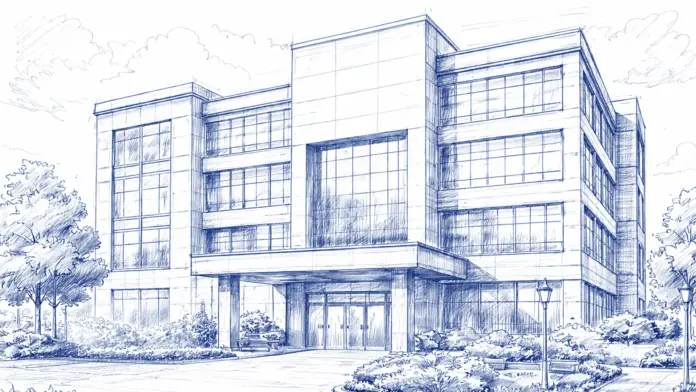
About WD Recovery & Wellness Center
WD Recovery & Wellness Center in Phoenix, Arizona, provides mental health and addiction treatment services to adults aged 18 and older. The facility prides itself on its LGBTQ+ affirming programs, while also supporting first responders and professionals. Most major health plans are accepted, along with self-pay and flexible financing options for those eligible.
Comprehensive Drug Rehab Services in Arizona’s Capital
Benefit from the ease and convenience of the center’s full continuum of addiction treatment services. Begin with medical detox, and get sober in safety and comfort, with support from a dedicated team of professionals.
Following detox, you can transition onto the center’s residential inpatient program, or a more flexible intensive outpatient program (IOP). Various substance use disorders are treated, with individuals seeking support for addictions to opioids, alcohol, stimulants, benzodiazepines, and other addictive substances.
Treatment typically involves various therapeutic methods, taking place within group, family, and one-to-one sessions. After completing your customized program, aftercare and alumni support options are also available.
Holistic Support For Addiction
While on the residential program, you can enjoy contemporary, home-like accommodation, making yourself comfortable as you settle into your recovery journey. Outdoor lounging and relaxation areas allow you to make the most of the great outdoors, and soak in the Arizona sunshine while catching some much-needed fresh air.
Treatment on the whole takes a holistic approach, emphasizing a powerful collaboration between the psychiatric and the medical elements of recovery. Family involvement is encouraged at all levels of care where appropriate. The center encourages clients’ involvement in recreational activities and fitness, as well as holistic support options like yoga and mindfulness.
Latest Reviews



Rehab Score
 Our Methodology


Location
Accepted Insurance

Other Forms of Payment
Private insurance refers to any kind of healthcare coverage that isn't from the state or federal government. This includes individual and family plans offered by an employer or purchased from the Insurance Marketplace. Every plan will have different requirements and out of pocket costs so be sure to get the full details before you start treatment.
Self-pay involves paying for treatment out of your own pocket. You can use savings or credit, get a personal loan, or receive help from family and friends to fund your treatment. If you don't have insurance or your insurance plan doesn't cover a specific program, self-pay can help ensure you still get the care you need.
Addiction Treatments
Levels of Care
A partial hospitalization program (PHP) offers a short-term alternative to inpatient treatment or a step-down option after a residential program. With PHP treatment, you'll receive 6 to 8 hours of daily support, up to 5 days a week. The duration of a partial hospitalization program can vary with the average length being 90 days. While commuting is necessary, some programs also offer telehealth options. PHP treatment is often covered by insurance and typically offers medication management, relapse prevention techniques, and behavioral therapy.
Intensive inpatient programs (IOP) offer high-level support for clients in early recovery, those exiting detox or inpatient rehabs, and those at an elevated risk of relapse. Intensive outpatient treatment typically includes rigorous individual, group, and family counseling. Evidence-based complementary therapies, such as acupuncture and massage, are widely available. Medication assisted treatment (MAT) may be provided. Clients in IOP receive a minimum of nine hours of treatment per week but may engage in up to 20 treatment hours weekly.
Treatments
Alcohol use disorder (AUD), also referred to as alcoholism and alcohol addiction, is a chronic condition that involves craving alcohol and an inability to control drinking. A person with AUD must drink greater and greater amounts of alcohol to achieve the same effects and experiences withdrawal symptoms if they stop drinking alcohol. Several evidence-based methods are available to treat AUD through alcohol rehab in Arizona. This treatment can occur on an outpatient or inpatient basis.
Drug rehab in Arizona is the process of treating individuals who are dependent on a particular addictive drug. Because addiction is complex, this treatment typically includes a variety of interventions that address the many physical and emotional issues involved.
 Mental Health And Substance Abuse
Arizona's substance abuse treatment centers can provide tailored treatment for individuals with substance use disorders and mental health conditions. Treatment programs may include medically assisted detox, 12-Step recovery, intensive outpatient programs, and aftercare support. Addiction experts employ evidence-based therapies like cognitive behavioral therapy (CBT), dialectical behavioral therapy (DBT), and talk therapy to uncover and reframe unhelpful patterns. By graduation, you'll have developed new coping strategies, learned new stress management techniques, and have the capability of sustaining your recovery.
Programs
Serving in the military is both mentally and physically challenging, and can result in trauma that persists even after combat ends. Military programs are tailored to the specific and often complex needs of active duty personnel, veterans, and military families. Clients often access these programs through the U.S. Department of Veterans Affairs (VA).
Clinical Services
Also known as CBT, cognitive behavioral therapy in Arizona is one of the most common types of psychotherapy. It offers a structured method of counseling that effectively treats substance use disorder and dual diagnosis disorders.
Dialectical behavior therapy in Arizona focuses on acceptance of your reality and behaviors while also attempting to make changes in unhealthy behaviors. It has been shown to be effective for the treatment of anxiety, depression, PTSD, and substance use disorder.
Family therapy involves sessions where members of the family discuss how addiction has affected them individually and collectively. Therapists can guide families in developing coping strategies that help support their loved one's recovery while also focusing on their own emotional health.
In Arizona, group therapy helps promote accountability and motivation for men and women who want to stay committed to addiction recovery. It fosters a sense of community where you can share your progress and learn new coping strategies from your peers.
Individual therapy for drug and alcohol addiction includes focused attention on the unique challenges that trigger addictive behavior. During individual therapy sessions, you have a safe space in which to discuss stressors and emotional struggles. Therapy fosters trust and open communication that helps develop personalized strategies to overcome addiction.
Self expression through creative arts therapy in Arizona can allow individuals who have a hard time articulating their feelings to access their emotions. This approach to counseling taps into our desire to create and draws from a variety of formats such as music, drama, sculpting, and painting.
Contact Information


6520 N 7th St, Phoenix, AZ 85014
Sponsored Helpline

