






























































































One of the worst places to come if you are seeking help. The staff is inpatients and tends to ignore what you need, they are disorganized and irresponsible. The doctor that treated me was no good, didn't listen to me and frequently asked me if I used drugs, which I don't, an ...
About Zucker Hillside Hospital
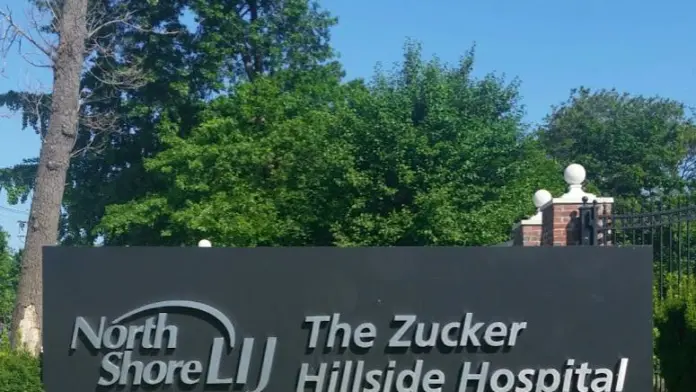
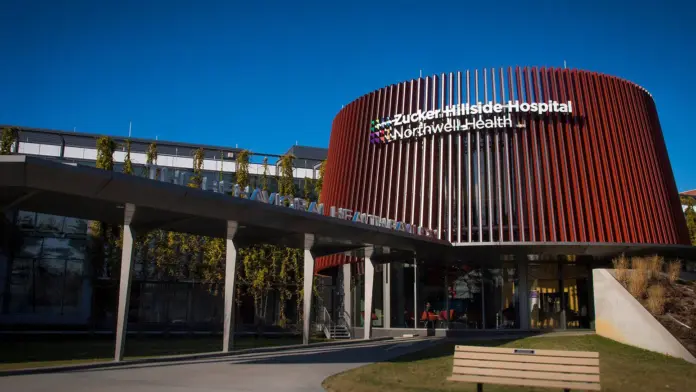
Zucker Hillside Hospital is a Joint Commission-accredited inpatient and outpatient addiction treatment center located in Queens, New York, on the campus of the Northwell Health system. The facility offers medically supervised care for adults and young adults facing substance use disorders, co-occurring mental health conditions, and opioid addiction. As New York City continues recovery efforts following years of elevated overdose rates, Zucker Hillside Hospital provides structured clinical treatment backed by SAMHSA recognition and decades of psychiatric expertise.
Inpatient and Outpatient Programs for Addiction and Co-Occurring Disorders
Zucker Hillside Hospital operates a 22-bed inpatient unit alongside outpatient and partial hospitalization programs, giving people access to care at multiple levels of intensity. Clinical services include medically assisted detox, individual and group therapy, cognitive behavioral therapy, dialectical behavior therapy, motivational interviewing, and trauma-informed care. The treatment team addresses substance use disorders and co-occurring mental health conditions in tandem, with medication management integrated throughout the recovery process.
For those stepping down from inpatient care, the facility offers aftercare planning and 12-step program support to help sustain progress after discharge. Family therapy and intervention services are available to involve loved ones in the recovery process. Couples therapy and creative arts and recreational therapy round out a broad clinical menu designed to address multiple dimensions of each person’s recovery.
Specialized Programs for LGBTQ+ Individuals, Young Adults, and Opioid Recovery
Zucker Hillside Hospital provides affirming care for LGBTQ+ individuals, with programming built around safety, inclusion, and peer support. A dedicated LGBTQ+ addiction treatment track ensures that sexual orientation and gender identity are respected and integrated into the treatment approach. The facility also offers specialized tracks for young adults and for those managing opioid use disorder, including access to medication-assisted approaches as part of comprehensive opioid care.
Accreditation, Access, and Payment
Zucker Hillside Hospital holds Joint Commission accreditation (No. 5806) and is SAMHSA-listed, reflecting independent verification of its clinical standards. The facility accepts Medicaid, Medicare, private insurance, military insurance, self-pay, and offers sliding scale payment assistance and financial aid.
Facility Overview
 22
22 Number of Available Beds
Latest Reviews
When a friend recommended Zucker Hillside, I immediately googled it and at the time the score was 2.9, which I was a little apprehensive about it but I trust my friend and as such went forward with visiting the Rapid Access Center (RAC). Having been in the mental health field for 10+ years, I have high standards while also recognizing the practical realities of the limitations of the healthcare system. I cannot speak highly enough about Zucker Hillside's RAC. The security guard who directed us to the RAC, allowed us to park in the Internal Medicine on call spot given the urgency, the security guard who personally escorted us to the RAC, the front desk staff who were very informative, the LCSW who was incredibly patient and kind, and the psychiatrist who was also fantastic. I've seen mental health professionals try to cut off patients when they may be going on a tangent for the sake of 'redirection' but both the LCSW and psychiatrist were very understanding and tactful in their approach. I recall the psychiatrist saying "we took the scenic route but we got there" with a gentle smile. While it was a busy waiting room and we didn't have a prebooked appointment, we were seen in a reasonable time frame.
They saved my nephew who was diagnosed with schizoaffective disorder. His therapist was literally the best I’ve ever seen. She saved all of us. It’s not the best but they truly helped us and still do. We’ve had issues but they were always resolved.
Ms. Jacqueline Lovell,
How do I truly thank you? How do I show my appreciation for helping me regain focus during one of the hardest seasons of my life?
Ms. Jacqui is truly one of a kind. When I say she helped me, I mean it with my whole heart. Some of my struggles have been deeper than what most people could understand, yet she handled them with patience, compassion, and strength.
Ms. Jacqui helped me trust again. She helped me hope again. She helped me feel comfortable going out in public again. She helped me open up in ways that not even my own mother could get me to.
She is a phenomenal woman with a heart of rare gold. I love Ms. Jacqui so very much, and I am beyond grateful for her guidance, her kindness, and her belief in me.
At this point she is overqualified — send her to the moon and back! Thank you for being such an extraordinary person in my life.

Rehab Score
 Our Methodology
Scoring is assigned by a proprietary system which helps surface key metrics that determine quality. The 10-point scale factors in categories such as operations, customer satisfaction, and trust metrics. Read Full Methodology

7.2 / 10
Gallery


Other Forms of Payment
Medicaid is a state based program that helps lower-income individuals and families pay for healthcare. Medicaid covers addiction treatment so those enrolled can use their coverage to pay for rehab. When a program accepts Medicaid the client often pays very little or nothing out of their own pocket.
Private insurance refers to any kind of healthcare coverage that isn't from the state or federal government. This includes individual and family plans offered by an employer or purchased from the Insurance Marketplace. Every plan will have different requirements and out of pocket costs so be sure to get the full details before you start treatment.
Self-pay involves paying for treatment out of your own pocket. You can use savings or credit, get a personal loan, or receive help from family and friends to fund your treatment. If you don't have insurance or your insurance plan doesn't cover a specific program, self-pay can help ensure you still get the care you need.
Financial aid can take many forms. Centers may have grants or scholarships available to clients who meet eligibility requirements. Programs that receive SAMHSA grants may have financial aid available for those who need treatment as well. Grants and scholarships can help you pai for treatment without having to repay.
Sliding scale payments are based on a client's income and family size. The goal is to make treatment affordable to everyone. By taking these factors into account, addiction recovery care providers help ensure that your treatment does not become a financial burden to you or your family, eliminating one barrier to care.
Medicare is a federal program that provides health insurance for those 65 and older. It also serves people under 65 with chronic and disabling health challenges. To use Medicare for addiction treatment you need to find a program that accepts Medicare and is in network with your plan. Out of pocket costs and preauthorization requirements vary, so always check with your provider.
Military members, veterans, and eligible dependents have access to specific insurance programs that help them get the care they need. TRICARE and VA insurance can help you access low cost or no cost addiction and mental health treatment. Programs that accept military insurance often have targeted treatment focused on the unique challenges military members, veterans, and their families face.
Addiction Treatments
Levels of Care
Outpatient Programs (OP) are for those seeking mental rehab or drug rehab, but who also stay at home every night. The main difference between outpatient treatment (OP) and intensive outpatient treatment (IOP) lies in the amount of hours the patient spends at the facility. Most of the time an outpatient program is designed for someone who has completed an inpatient stay and is looking to continue their growth in recovery. Outpatient is not meant to be the starting point, it is commonly referred to as aftercare.
Inpatient rehabs provide a space for clients to focus exclusively on their recovery while receiving intensive supervision and support. Inpatient treatment centers provide housing and food and most offer round-the-clock clinical care. Their primary treatment modalities typically consist of addiction counseling using various psychotherapeutic methods, including CBT, DBT, RBT, and motivational interviewing. Many rehabs also provide specialized services for clients with co-occurring addiction and mental illness. Recovery-focused life skills training and holistic therapies are other common services.
Clients in rehab aftercare programs receive a customized portfolio of services designed to promote their sustained sobriety. These clients have completed high-level treatment, are typically exiting detox and/or intensive inpatient care and are reintegrating into their home, workplace, and community. Rehab aftercare services address addiction disease as a chronic condition requiring continuing care. Clients typically work with case managers and recovery teams to access necessary resources, such as peer coaching and 12 step program induction support.
12-step programs are addiction recovery models based on Alcoholics Anonymous (AA). A number of substance abuse programs (including some drug and alcohol rehab centers) use the 12 steps as a basis for treatment. Beginning steps involve admitting powerlessness over the addiction and creating a spiritual basis for recovery. Middle steps including making direct amends to those who've been hurt by the addiction, and the final step is to assist others in addiction recovery in the same way. 12-Step offshoots including Narcotics Anonymous (NA), Cocaine Anonymous (CA), Dual Recovery Anonymous (DRA), Sex and Love Addicts Anonymous (SLAA) and Gamblers Anonymous (GA).
A drug intervention in New York occurs when family members and friends lovingly confront someone with a substance use disorder. The goal of this confrontation is to motivate the person to seek treatment. Loved ones point out how the person's destructive behavior is affecting them in hopes that they will agree to get help. Most inpatient rehab facilities offer intervention services that can help families walk through this process step by step.
The partial hospitalization program (PHP) level of care offers short-term, intensive rehab for individuals with acute symptoms that require focused management but don't require 24/7 care. PHP treatment provides structured programming (i.e. individual and group therapy) and allows you to return home in the evening. PHP treatment typically meets weekly for a minimum of 20 hours with the duration typically averaging 90 days. While PHP treatment cost can vary, it is often covered by most providers.
Drug and alcohol addiction often takes a heavy toll on one's body. Over time, a physical dependence can develop, meaning the body physiologically needs the substance to function. Detox is the process of removing drugs and/or alcohol from the body, a process that can be lethal if mismanaged. Medical detox is done by licensed medical professionals who monitor vital signs and keep you safe, healthy, and as comfortable as possible as you go through detox and withdrawal.
Treatments
The goal of treatment for alcoholism is abstinence. Those with poor social support, poor motivation, or psychiatric disorders tend to relapse within a few years of treatment. For these people, success is measured by longer periods of abstinence, reduced use of alcohol, better health, and improved social functioning. Recovery and Maintenance are usually based on 12 step programs and AA meetings.
When you choose drug rehab in New York, you'll participate in a variety of treatments that are designed to help you live a drug-free lifestyle. Common methods of treatment include group, individual, and family counseling, medication management, nutrition, exercise, and management of co-occurring mental health disorders.
Many of those suffering from addiction also suffer from mental or emotional illnesses like schizophrenia, bipolar disorder, depression, or anxiety disorders. Rehab and other substance abuse facilities treating those with a dual diagnosis or co-occurring disorder administer psychiatric treatment to address the person's mental health issue in addition to drug and alcohol rehabilitation.
A combined mental health and substance abuse rehab has the staff and resources available to handle individuals with both mental health and substance abuse issues. It can be challenging to determine where a specific symptom stems from (a mental health issue or an issue related to substance abuse), so mental health and substance abuse professionals are helpful in detangling symptoms and keeping treatment on track.
Opioid rehabs specialize in supporting those recovering from opioid addiction. They treat those suffering from addiction to illegal opioids like heroin, as well as prescription drugs like oxycodone. These centers typically combine both physical as well as mental and emotional support to help stop addiction. Physical support often includes medical detox and subsequent medical support (including medication), and mental support includes in-depth therapy to address the underlying causes of addiction.
Programs
Adult rehab programs include therapies tailored to each client's specific needs, goals, and recovery progress. They are tailored to the specific challenges adult clients may face, including family and work pressures and commitments. From inpatient and residential treatment to various levels of outpatient services, there are many options available. Some facilities also help adults work through co-occurring conditions, like anxiety, that can accompany addiction.
Young adulthood can be an exciting, yet difficult, time of transition. Individuals in their late teens to mid-20s face unique stressors related to school, jobs, families, and social circles, which can lead to a rise in substance use. Rehab centers with dedicated young adult programs will include activities and amenities that cater to this age group, with an emphasis on specialized counseling, peer socialization, and ongoing aftercare.
Recovery is most successful when clients feel accepted and validated by their peers and treatment providers. Facilities that offer LGBTQ-inclusive programming are committed to creating a safe space where everyone can grow and recover without fear of judgment or discrimination. They will have dedicated policies in place to create a safe and supportive environment that fosters free expression.
Serving in the military is both mentally and physically challenging, and can result in trauma that persists even after combat ends. Military programs are tailored to the specific and often complex needs of active duty personnel, veterans, and military families. Clients often access these programs through the U.S. Department of Veterans Affairs (VA).
Clinical Services
Cognitive Behavioral Therapy (CBT) is a therapy modality that focuses on the relationship between one's thoughts, feelings, and behaviors. It is used to establish and allow for healthy responses to thoughts and feelings (instead of unhealthy responses, like using drugs or alcohol). CBT has been proven effective for recovering addicts of all kinds, and is used to strengthen a patient's own self-awareness and ability to self-regulate. CBT allows individuals to monitor their own emotional state, become more adept at communicating with others, and manage stress without needing to engage in substance abuse.
Whether a marriage or other committed relationship, an intimate partnership is one of the most important aspects of a person's life. Drug and alcohol addiction affects both members of a couple in deep and meaningful ways, as does rehab and recovery. Couples therapy and other couples-focused treatment programs are significant parts of exploring triggers of addiction, as well as learning how to build healthy patterns to support ongoing sobriety.
Creativity is inherently healing, and can help those in recovery express thoughts or feelings they might not otherwise be able to. Creative arts therapy can include music, poetry/writing, painting, sculpting, dance, theater, sandplay, and more. Unlike traditional art, the final product matters far less than the experience of creation and expression itself.
Dialectical behavior therapy (DBT) is treatment used for people with borderline personality disorder. DBT is a form of cognitive behavioral therapy developed specifically as a comprehensive treatment for individuals who meet criteria for borderline personality disorder, as well as patients with any severe impulsive or out-of-control behavioral patterns (eg, reckless driving, binge eating, episodic alcohol and substance abuse). Much of the dialectic behavior therapy treatment paradigm derives from Buddhist meditative practices. The treatment involves exercises in mindfulness, emotional regulation and distress tolerance and acceptance.
Eating disorders include anorexia, bulimia, binge eating, and dysfunctional eating patterns. Many psychologists and other mental health professionals consider eating disorders to be food addictions, meaning food is being used in an addictive way (similar to drug or alcohol addiction). Certain substance abuse treatment programs will have treatment for eating disorders as one of the services offered. An eating disorder may also present as a co-occuring disorder or dual diagnosis alongside drug and alcohol addiction.
Electroconvulsive therapy (ECT) is a procedure that causes a brief convulsion by passing an electric current through the brain; it is used to treat some mental disorders. It is a very effective and safe treatment for depression that uses electricity to trigger a seizure. The ECT program at Zucker Hillside Hospital is among the oldest, most experienced and active in the nation. The compassionate and expert staff consist of ECT credentialed psychiatrists, anesthesiologists, ACLS certified nurses and support staff. In addition to it's clinical mission, the ECT program at Zucker Hillside is a national resource for teaching ECT to students and physicians at all professional levels and conducts research aimed at improving outcomes.
Experiential therapy is a form of therapy in which clients are encouraged to surface and work through subconscious issues by engaging in real-time experiences. Experiential therapy departs from traditional talk therapy by involving the body, and having clients engage in activities, movements, and physical and emotional expression. This can involve role-play or using props (which can include other people). Experiential therapy can help people process trauma, memories, and emotion quickly, deeply, and in a lasting fashion, leading to substantial and impactful healing.
Research clearly demonstrates that recovery is far more successful and sustainable when loved ones like family members participate in rehab and substance abuse treatment. Genetic factors may be at play when it comes to drug and alcohol addiction, as well as mental health issues. Family dynamics often play a critical role in addiction triggers, and if properly educated, family members can be a strong source of support when it comes to rehabilitation.
Fitness therapy blends exercise with psychotherapy for a fun, inspiring, and effective way of treating addiction and other issues. By incorporating movement into counseling sessions, clients become more empowered, motivated, and goal-oriented, all while strengthening their bodies and becoming more flexible. Fitness Therapy is usually used to complement a course of treatment (inpatient or outpatient) to make it even more successful. Increasing the connection between a patient’s mind and body helps both with healing as well as in creating new, healthy habits.
Group therapy is any therapeutic work that happens in a group (not one-on-one). There are a number of different group therapy modalities, including support groups, experiential therapy, psycho-education, and more. Group therapy involves treatment as well as processing interaction between group members.
In individual therapy, a patient meets one-on-one with a trained psychologist or counselor. Therapy is a pivotal part of effective substance abuse treatment, as it often covers root causes of addiction, including challenges faced by the patient in their social, family, and work/school life.
Motivational Interviewing (MI) is a clinical approach to helping people with substance abuse issues and other conditions shift behavior in positive ways. It is more goal-oriented than traditional psychotherapy, as MI counselors directly attempt to get clients to consider making behavioral change (rather than wait for them to come to conclusions themselves). Its primary purpose is to resolve ambivalence and help clients become able to make healthy choices freely.
Nicotine Replacement Therapy (NRT) is a way of getting nicotine into the bloodstream without smoking. It uses products that supply low doses of nicotine to help people stop smoking. The goal of therapy is to cut down on cravings for nicotine and ease the symptoms of nicotine withdrawal.
Recreational therapy (aka therapeutic recreation) uses creative and fun activities to help with addiction recovery. Recreational therapists lead patients in entertaining and engaging activities like sports or games; art (drawing, painting, sculpture); drama, music, and dance; and/or community outings (field trips) to improve patients' physical, social, and emotional well-being.
Trauma therapy addresses traumatic incidents from a client's past that are likely affecting their present-day experience. Trauma is often one of the primary triggers and potential causes of addiction, and can stem from child sexual abuse, domestic violence, having a parent with a mental illness, losing one or both parents at a young age, teenage or adult sexual assault, or any number of other factors. The purpose of trauma therapy is to allow a patient to process trauma and move through and past it, with the help of trained and compassionate mental health professionals.
Amenities
-
 Private Setting
 -
 Private Transportation
Staff & Accreditations
Staff
Joanne Bentson, DNP, RN
Chief Nursing Executive & Associate Executive Director
Chris Boffa
Associate Executive Director
Arber Kokoneshi
Deputy Executive Director
Michael Scarpelli
Executive Director
Howard David LinderAssociate Chairman
MD
Accreditations

The Joint Commission, formerly known as JCAHO, is a nonprofit organization that accredits rehab organizations and programs. Founded in 1951, the Joint Commision's mission is to improve the quality of patient care and demonstrating the quality of patient care.
Joint Commission Accreditation: Yes
Accreditation Number: 5806

The Substance Abuse and Mental Health Services Administration (SAMHSA) is a branch of the U.S. Department of Health and Human Services. Established in 1992 by congress, SAMHSA's mission is to reduce the impact of substance abuse and mental illness on American's communities.
SAMHSA Listed: Yes
Rehab.com regularly reviews this listing for accuracy but changes may occur between updates. For the most up-to-date information, please contact Zucker Hillside Hospital.
Contact Information

75-59 263rd St
Glen Oaks, NY 11004
Get Help Now - 646-439-0877
Sponsored Helpline
Sponsored Helpline



