





























































































About AdCare Hospital
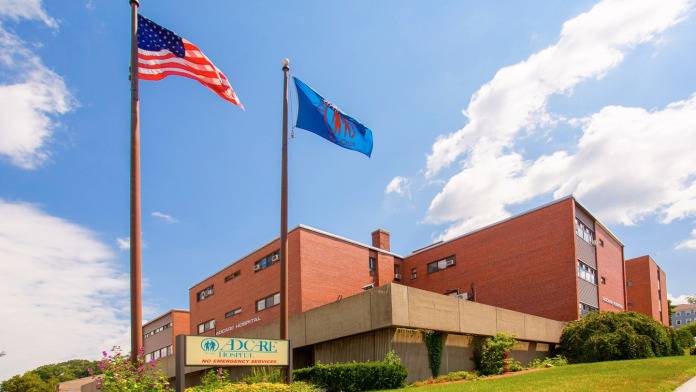
AdCare Hospital is a reputable community provider of medical detox for people with severe substance U.S. disorders in Worcester, Massachusetts. This 144-bed Level IV detox hospital has been helping Worcester residents safely withdraw from substances while receiving the medical supervision necessary to make the process painless. They also serve patients from surrounding cities such as Shrewsbury, Auburn and Westborough.
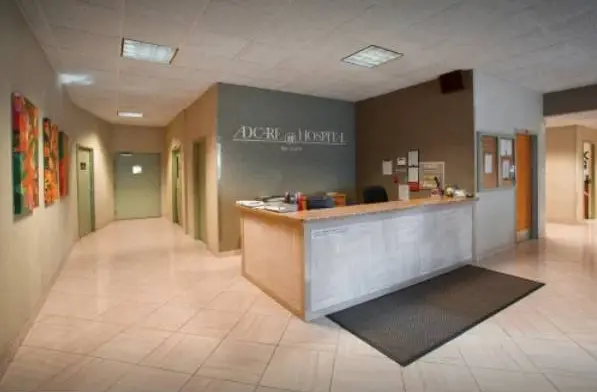
Their detox services support people with co-occurring disorders and even members of the LGBTQ community. They accept Medicare, Medicaid and Massachusetts state health care to keep costs low. The hospital is fully equipped to make your detox experience awesome with amenities including a modern gym, comfortable living space and recreational area. You’ll enjoy three freshly prepared nutritious meal options daily alongside snacks while onsite. You’re also allowed time for relaxation and reflection daily.
Medically Supervised Withdrawal
Medical detox is the first and one of the most important steps in an addiction recovery journey particularly for those with severe substance use disorders. The procedure lets the body wean itself off addiction-related toxins in preparation for the main therapy. Medical detox in AdCare Hospital involves a carefully managed withdrawal procedure with 24/7 supervision by skilled clinicians following assessment and personalized care planning. They may incorporate medication assisted treatment to ensure safe and comfortable withdrawal.
The program is very expansive including daily educational sessions, individual & group counseling and participation in self help meetings like NA/AA. You’ll also take part in relapse prevention skills training and canine animal-assisted therapy. Exercise and recreation is an integral aspect of the program. This is where the gym serves an important purpose. You’ll work with Revive of the USA and attend recreational sessions like art and music for holistic care. The involvement of family and significant others in treatment sessions is highly emphasized to strengthen your support network.
The 360-degree services include the development of tailored discharge or continuing care plans, coordinating contact with referral sources and linkage to community support services via case management.
Support for Long-Term Sobriety
Most people continue their recovery journey by stepping down to the AdCare Outpatient program at a nearby location within Lincoln Street. This facility offers both partial hospitalization and intensive outpatient programs alongside general outpatient care. These programs enable you to receive the support you need to achieve lasting abstinence in flexible outpatient settings. They also offer telehealth recovery to support people who seek virtual therapeutic support. This can be super convenient as it lets you access care in the comfort of your home via secured video conferencing platforms.
Facility Overview
 114
114 Latest Reviews

Thank you so much for taking the time out of your day to leave us a review. We’re thrilled to hear that you had such a positive experience with AdCare Hospital, and hope you stay connected with us through our alumni network for ongoing support.
Best,
AdCare Hospital



Rehab Score
 Our Methodology


Gallery


Accepted Insurance
Other Forms of Payment
Private insurance refers to any kind of healthcare coverage that isn't from the state or federal government. This includes individual and family plans offered by an employer or purchased from the Insurance Marketplace. Every plan will have different requirements and out of pocket costs so be sure to get the full details before you start treatment.
Self-pay involves paying for treatment out of your own pocket. You can use savings or credit, get a personal loan, or receive help from family and friends to fund your treatment. If you don't have insurance or your insurance plan doesn't cover a specific program, self-pay can help ensure you still get the care you need.
Financial aid can take many forms. Centers may have grants or scholarships available to clients who meet eligibility requirements. Programs that receive SAMHSA grants may have financial aid available for those who need treatment as well. Grants and scholarships can help you pai for treatment without having to repay.
Medicare is a federal program that provides health insurance for those 65 and older. It also serves people under 65 with chronic and disabling health challenges. To use Medicare for addiction treatment you need to find a program that accepts Medicare and is in network with your plan. Out of pocket costs and preauthorization requirements vary, so always check with your provider.
Medicaid is a state based program that helps lower-income individuals and families pay for healthcare. Medicaid covers addiction treatment so those enrolled can use their coverage to pay for rehab. When a program accepts Medicaid the client often pays very little or nothing out of their own pocket.
Military members, veterans, and eligible dependents have access to specific insurance programs that help them get the care they need. TRICARE and VA insurance can help you access low cost or no cost addiction and mental health treatment. Programs that accept military insurance often have targeted treatment focused on the unique challenges military members, veterans, and their families face.
Addiction Treatments
Levels of Care
Outpatient Programs (OP) are for those seeking mental rehab or drug rehab, but who also stay at home every night. The main difference between outpatient treatment (OP) and intensive outpatient treatment (IOP) lies in the amount of hours the patient spends at the facility. Most of the time an outpatient program is designed for someone who has completed an inpatient stay and is looking to continue their growth in recovery. Outpatient is not meant to be the starting point, it is commonly referred to as aftercare.
Inpatient rehab offers robust, hands-on care in a highly structured and supportive environment. The facility provides housing, meals, and round-the-clock supervision, allowing clients to focus exclusively on their recovery. Inpatient treatment typically involves intensive addiction counseling based on CBT, DBT, RBT, motivational interviewing, or other psychotherapeutic approaches. Many inpatient treatment centers also offer life skills training and/or complementary therapies, including meditation, mindfulness, and nutrition counseling.
Rehab aftercare programs offer customized, wraparound support for clients in the maintenance phase of recovery. Many clients enroll in drug rehab immediately after completing intensive inpatient or residential care. Services encompass outpatient treatment but often extend long beyond the completion of a formal recovery program and typically include a variety of medical, mental health, and social service programs. Peer coaching, relapse prevention, 12 step program induction, and related services are commonly available.
12-step programs are addiction recovery models based on Alcoholics Anonymous (AA). A number of substance abuse programs (including some drug and alcohol rehab centers) use the 12 steps as a basis for treatment. Beginning steps involve admitting powerlessness over the addiction and creating a spiritual basis for recovery. Middle steps including making direct amends to those who've been hurt by the addiction, and the final step is to assist others in addiction recovery in the same way. 12-Step offshoots including Narcotics Anonymous (NA), Cocaine Anonymous (CA), Dual Recovery Anonymous (DRA), Sex and Love Addicts Anonymous (SLAA) and Gamblers Anonymous (GA).
Referrals for intervention services for individuals having difficulty addressing alcohol and drug use on their own can be arranged through any AdCare location. Some of their Clinical and Community Service staff have special training in the ARISE® Model of Intervention to better assist you with challenging situations.
At certain points in the recovery process, it's important to have support available 24/7. 24-hour clinical care offers a safe environment in which to recover from drug or alcohol addiction in peace, knowing medical detox and other treatment will happen with professionals on hand.
Detox is a crucial aspect of the inpatient program, as it addresses the body’s physical dependence on a substance. Going through detox allows individuals to rid their body of toxins and focus on the emotional and psychological elements of healing. During the detoxification program patients are medically managed 24-hours per day, and participate in a daily program designed to increase their understanding of their addiction and continuing care needs.
Treatments
The goal of treatment for alcoholism is abstinence. Those with poor social support, poor motivation, or psychiatric disorders tend to relapse within a few years of treatment. For these people, success is measured by longer periods of abstinence, reduced use of alcohol, better health, and improved social functioning. Recovery and Maintenance are usually based on 12 step programs and AA meetings.
Addiction is a highly complex problem, and drug rehab in Massachusetts is often necessary to address it. These programs treat physical, mental, and relational issues that are involved. Treatment empowers individuals to manage these issues without the use of drugs.
Rehabilitation Services are provided for individuals who have co-occurring medical or psychiatric conditions that require active treatment by a physician. These individuals are seen and treated daily by medical staff, in order to become more physically and emotionally stable. Those participating in rehabilitation are assigned a primary counselor and a case manager to assist in meeting their treatment goals.
Opioid rehabs specialize in supporting those recovering from opioid addiction. They treat those suffering from addiction to illegal opioids like heroin, as well as prescription drugs like oxycodone. These centers typically combine both physical as well as mental and emotional support to help stop addiction. Physical support often includes medical detox and subsequent medical support (including medication), and mental support includes in-depth therapy to address the underlying causes of addiction.
Substance rehabs focus on helping individuals recover from substance abuse, including alcohol and drug addiction (both illegal and prescription drugs). They often include the opportunity to engage in both individual as well as group therapy.
Programs
Adult rehab programs include therapies tailored to each client's specific needs, goals, and recovery progress. They are tailored to the specific challenges adult clients may face, including family and work pressures and commitments. From inpatient and residential treatment to various levels of outpatient services, there are many options available. Some facilities also help adults work through co-occurring conditions, like anxiety, that can accompany addiction.
Young adulthood can be an exciting, yet difficult, time of transition. Individuals in their late teens to mid-20s face unique stressors related to school, jobs, families, and social circles, which can lead to a rise in substance use. Rehab centers with dedicated young adult programs will include activities and amenities that cater to this age group, with an emphasis on specialized counseling, peer socialization, and ongoing aftercare.
Serving in the military is both mentally and physically challenging, and can result in trauma that persists even after combat ends. Military programs are tailored to the specific and often complex needs of active duty personnel, veterans, and military families. Clients often access these programs through the U.S. Department of Veterans Affairs (VA).
Clinical Services
Cognitive Behavioral Therapy (CBT) is a therapy modality that focuses on the relationship between one's thoughts, feelings, and behaviors. It is used to establish and allow for healthy responses to thoughts and feelings (instead of unhealthy responses, like using drugs or alcohol). CBT has been proven effective for recovering addicts of all kinds, and is used to strengthen a patient's own self-awareness and ability to self-regulate. CBT allows individuals to monitor their own emotional state, become more adept at communicating with others, and manage stress without needing to engage in substance abuse.
Group therapy is any therapeutic work that happens in a group (not one-on-one). There are a number of different group therapy modalities, including support groups, experiential therapy, psycho-education, and more. Group therapy involves treatment as well as processing interaction between group members.
In individual therapy, a patient meets one-on-one with a trained psychologist or counselor. Therapy is a pivotal part of effective substance abuse treatment, as it often covers root causes of addiction, including challenges faced by the patient in their social, family, and work/school life.
Four principles are key to motivational interviewing in Massachusetts. First, the therapist offers empathy for the client's feelings and experiences. Second, they encourage the client to believe in themselves and their ability to change. Third, the therapist refrains from imposing their own viewpoints. Lastly, the therapist helps the client identify discrepancies in their circumstances and future goals.
AdCare believes that the families and friends of their patients should have an opportunity to participate in their loved one’s treatment, to increase likelihood of their loved ones’ successful recovery, as well as to receive treatment and support for themselves. AdCare offers a range of structured family counseling and complimentary support services. Their Family Program is designed to educate loved ones about substance dependency, as well as provide support for family members in a therapeutic, group-mentoring setting. All family programs are facilitated by knowledgeable and experienced professionals, who also provide treatment to their patients.
Life skills trainings involve all the skills a person must have in order to function successfully in the world. These include time management, career guidance, money management, and effective communication. Truly successful addiction recovery is based on the ability to not only live substance-free, but to thrive. Life skills teaches the practical necessities of functioning in society, which sets clients up for success in life, and therefore sobriety.
Amenities
-
 Residential Setting
 -
 Private Rooms
Staff & Accreditations
Staff

Andrea Dayotas, MA, CAGS, LMHC, LSWA, LADCI
Facility Executive Director, AdCare Hospital & AdCare Worcester Outpatient

John N. Copeland
Director of Clinical Services

Dr. Mohammad Alhabbal, MD
Medical Director, AdCare Hospital

Sazha Alexandra Ramos
VP of Military & Veteran Affairs

Adam Jakola, RN
Admissions Director, AdCare Hospital

Amanda Owens
Assistant Director of AdCare Worcester Outpatient Services
Accreditations

The Substance Abuse and Mental Health Services Administration (SAMHSA) is a branch of the U.S. Department of Health and Human Services. Established in 1992 by congress, SAMHSA's mission is to reduce the impact of substance abuse and mental illness on American's communities.
SAMHSA Listed: Yes

The Joint Commission, formerly known as JCAHO, is a nonprofit organization that accredits rehab organizations and programs. Founded in 1951, the Joint Commision's mission is to improve the quality of patient care and demonstrating the quality of patient care.
Joint Commission Accreditation: Yes
Rehab.com regularly reviews this listing for accuracy but changes may occur between updates. For the most up-to-date information, please contact AdCare Hospital.
Contact Information


107 Lincoln Street
Worcester, MA 01605
Sponsored Helpline



