For parents weighing how cannabis is stored at home, and for the rehab centers and clinicians who counsel families about substance use, the figures turn a routine storage question into a pediatric safety one.
What the Child Cannabis Exposure Data Show
The study is a retrospective, time-trend analysis of pediatric cannabis exposures reported in calls to US poison centers and tracked by the National Poison Data System. It covers children aged 12 and under across a 25-year window, from 2000 through 2024.
Lead author Dr. Raymond E. Bertino, a clinical professor at the University of Illinois College of Medicine in Peoria, noted that reported exposures topped 11,000 in each of the last two years studied. The Journal of Addiction Medicine is the official journal of the American Society of Addiction Medicine.
It’s worth being precise about what the figure counts. These are exposures reported to poison centers, not confirmed poisonings or hospitalizations, and reporting patterns can shift over time.
Children Under 6 Account for Most Reports
The steepest change appears in the youngest age group. Reported exposures among children younger than 6 held roughly steady from 2000 through 2009, then rose from 132 in 2009 to 8,430 in 2024, an increase of more than 60-fold.
Bertino pointed to earlier research indicating that more than 20% of exposures in children under 6 result in hospital admission, and up to 8% in admission to an intensive care unit.
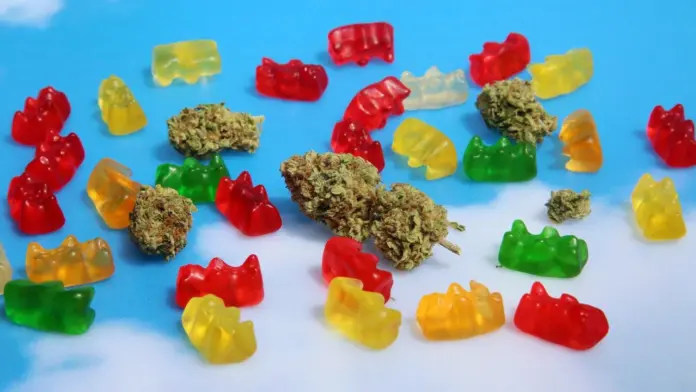
Among children admitted to an ICU, he said, virtually all exposures traced back to edible products. Of those numbers, a small group of kids are intubated and placed on a ventilator, and a small number experience seizures.
What Changed After 2009
The study describes the rise as temporally associated with a series of federal cannabis policy changes beginning in 2009.
Those include the Justice Department’s Ogden Memorandum in 2009 and the Cole Memorandum in 2013, which together produced a federal posture of non-prosecution in states that legalized medical and recreational cannabis.
Commercial expansion followed. The number of states with legal medical marijuana grew from 13 in 2009 to 39 in 2024, and states with legal recreational marijuana grew from zero to 24 over the same period.
The Agriculture Improvement Act of 2018, commonly called the Farm Bill, legalized all components of the hemp plant, including cannabis analogs, and hemp-derived products such as delta-8 THC have since spread across all 50 states.
A time-trend analysis of this kind documents that two things moved together. It does not establish that any single policy change caused the increase, and the authors frame the relationship as a temporal association rather than a proven cause.
What Bertino Says Should Happen Next
Bertino called it “an urgent pediatric public health problem.” He listed several possible responses, including a review of federal cannabis policy, better child-resistant packaging, tighter limits on the maximum THC permitted per edible package, and greater vigilance by parents and by adults who use cannabis.
He added that as long as flavored, sweetened edible products that appeal to children remain on the market, a return to pre-2009 exposure levels is unlikely.
Those recommendations reflect the author’s stated position. Cannabis policy remains actively debated at the state and federal level, and other researchers and industry groups read the same surveillance data differently.
Why This Matters for Treatment Seekers
For households where an adult uses cannabis, the practical takeaway is storage, packaging, and dose awareness rather than a treatment referral. Accordingly, most reported pediatric exposures are unintentional, and edibles that resemble candy or baked goods are the recurring factor in the most severe cases.
For adults who recognize that their own cannabis use has become difficult to control, marijuana use disorder is a treatable condition.
Treatment options run from outpatient counseling to structured inpatient programs, and many plans cover behavioral health care for cannabis use the same way they cover other substance use treatment.
Finding the Right Rehab
If cannabis use is affecting your health, your household, or your parenting, comparing programs is a reasonable next step. Therefore, useful actions include:
- Comparing rehab centers that treat cannabis use disorder in your state
- Checking your insurance coverage for outpatient and inpatient addiction treatment
- Asking programs whether they offer family sessions, which matter when children are in the home
- Verifying facility licensure, accreditation, and clinician credentials before you commit
Rehab.com’s directory lists verified treatment centers nationwide with details on levels of care, insurance accepted and services offered. Call
800-985-8516
(  Sponsored Helpline )
to speak with a treatment advisor about options near you.
Sponsored Helpline )
to speak with a treatment advisor about options near you.