















































































































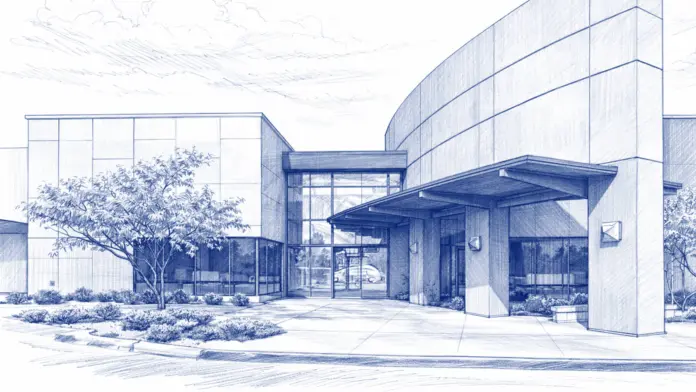
About Addiction Recovery Services Inc
Addiction Recovery Services Inc is an outpatient treatment provider in Chicago, Illinois that offers substance use evaluation, counseling, and education services with a focus on court referred and DUI programming. The center provides care through intensive outpatient, standard outpatient, and telehealth services.
With Illinois court approved DUI classes, alcohol and drug evaluations, and DOT SAP assessments, Addiction Recovery Services Inc serves as a bridge from compliance to recovery.
DUI Risk Education and Counseling
An evaluation assesses substance use history, risk factors, and treatment needs which may be required by the court or employer. Clients have access to intensive outpatient programming or standard outpatient counseling which are both available in person or via telehealth.
Programming includes DUI risk education, individual and group counseling, and relapse prevention support for clients managing legal requirements alongside recovery goals. The center’s approach integrates education, accountability, and therapeutic support to help clients meet court mandates while achieving sobriety and wellness.
Quick Facts About Addiction Recovery Services Inc
- Levels of care: Intensive outpatient, outpatient counseling, and telehealth services
- Who they treat: Adults with court referred DUI cases, clients needing alcohol/drug evaluations, and DOT SAP clients
- Approach: DUI risk education, individual and group counseling, and compliance-to-recovery support
- Payment options: Accepts private insurance (Aetna, UnitedHealthcare, Cigna, BlueCross BlueShield, and others), self-pay, and offers sliding scale assistance
- Telehealth available: Online and in-person options for flexible access to care
Facility Overview
 15 - 30
Rehab Score
 Our Methodology


Location
Accepted Insurance



Other Forms of Payment
Self-pay involves paying for treatment out of your own pocket. You can use savings or credit, get a personal loan, or receive help from family and friends to fund your treatment. If you don't have insurance or your insurance plan doesn't cover a specific program, self-pay can help ensure you still get the care you need.
Sliding scale payments are based on a client's income and family size. The goal is to make treatment affordable to everyone. By taking these factors into account, addiction recovery care providers help ensure that your treatment does not become a financial burden to you or your family, eliminating one barrier to care.
Addiction Treatments
Levels of Care
Intensive outpatient programs (IOP) enable clients to receive high-level care while living at home. Clients may choose to enter IOP instead of enrolling in inpatient care post-detox or they may transition from an inpatient rehab into IOP. Intensive outpatient treatment involves multiple therapeutic sessions per week and includes a combination of psychotherapy and addiction and recovery education. Many programs also offer medication assisted treatment (MAT) and/or holistic therapies, such as acupuncture and massage.
Clients in outpatient rehab receive a variety of services based on their unique and evolving needs. Typical outpatient treatment modalities include individual, group, and family counseling, recovery-focused life skills training, and community reintegration support. Many programs also provide medication assisted treatment (MAT) for clients recovering from alcohol and/or opioid dependency. Clients exiting inpatient treatment or those who are at an elevated risk of relapse may engage in more robust treatment, such as intensive outpatient (IOP) programming.
Through advances in communications and medical technology, telehealth in Illinois has become a common option for receiving healthcare treatment. This practice involves the use of communication technologies to offer healthcare remotely rather than in person.
Treatments
Alcohol use disorder (alcoholism) can be severe, moderate, or mild. Symptoms include spending a lot of time drinking, wanting to stop but being unsuccessful, and feeling strong cravings that lead to overuse of alcohol. At any severity level, alcohol addiction is treatable through alcohol rehab in Illinois. Most comprehensive rehab programs include medical detox, inpatient rehab, and ongoing alcohol counseling/support (maintenance).
Drug rehab in Illinois is designed to help people recover from addiction to a number of substances. The length of each program and its intensity tend to vary, and the plan of care is based on your individual needs.
In Illinois, comprehensive substance abuse treatment programs are available for individuals struggling with substances and their mental health. These programs offer various levels of care, including outpatient, inpatient, and partial hospitalization options. Skilled clinicians utilize evidence-based therapies such as cognitive-behavioral therapy (CBT), dialectical behavior therapy (DBT), and trauma-informed care to address substance abuse and improve your mental health. You'll also learn strategies to cope with relapse triggers and deal with stress.
Drug rehabs often provide treatment for people seeking help for both mental health and substance abuse. The programs are usually offered on an inpatient or outpatient basis. Each personalized treatment plan includes a number of different mental health therapies and services, like cognitive-behavioral therapy (CBT), experiential therapies (equine and animal therapy, outdoor therapy groups, and individual / group counseling sessions designed to simultaneously address both mental health and substance abuse. Standard treatment modalities include relapse prevention education and emotional coping skills training.
Dual-diagnosis addiction treatment in Illinois focuses on integrated care for individuals with co-occurring substance use disorders and mental health conditions. These specialized rehab programs include detox, medication-assisted treatment, residential drug and alcohol rehab, and outpatient programs. Treatment incorporates a combination of trauma-informed and evidence-based therapies — like cognitive behavioral therapy, dialectical behavioral therapy, and motivational interviewing— support groups, and skills training to holistically address addiction and co-occurring disorders at the same time, enhancing your mental, physical, and emotional health.
Programs
Adult rehab programs include therapies tailored to each client's specific needs, goals, and recovery progress. They are tailored to the specific challenges adult clients may face, including family and work pressures and commitments. From inpatient and residential treatment to various levels of outpatient services, there are many options available. Some facilities also help adults work through co-occurring conditions, like anxiety, that can accompany addiction.
Nearly one million adults age 65 and older live with a substance use disorder. Treatment providers who specialize in senior care understand the social, psychological, and physical effects of aging and how they relate to recovery. They can help clients address particular challenges and risks they may face as they get older such as overdosing and medication interactions and dependencies.
Men face specific challenges and concerns when seeking addiction treatment. Gender-specific recovery programs help them tackle these issues head-on in an environment that's focused, targeted, and distraction-free. It also gives them the opportunity to connect with and learn from other men who have been through a similar journey and can offer support for the next step.
Rehabs for women provide a safe, nurturing space for female clients to heal. These treatment programs consider the specific obstacles that women can face during recovery and place a special emphasis on mental, social, physical, and reproductive health. They explore how each woman's experience has shaped the trajectory of their substance use, addressing issues such as sexual abuse and past trauma.
Clinical Services
If you engage in cognitive behavioral therapy in Illinois, your therapist will work with you to change your thinking patterns. You'll learn how to recognize faulty thinking and develop skills to deal with stress without using substances.
During couples therapy in Illinois, you may work on a variety of relationship challenges. Couples therapy can address topics such as finances, children, health, addiction, intimacy, external stressors, and family relationships. You'll develop tools to address these types of challenges in healthy ways.
Family therapy helps to rebuild trust and strengthen relationships that have been affected by addiction. Therapists use guided interventions to help families improve their interactions and address underlying issues that impact their relationships. This helps create a supportive atmosphere for the recovery process.
Men and women in Illinois learn to recognize their strengths and capabilities within a group therapy setting. This helps to boost their self image and self confidence as they work toward overcoming addiction and building a healthier life. Group therapy is a perfect environment for you to see successful recovery behaviors and become inspired to manage your addiction.
During one on one therapy sessions for drug and alcohol addiction, you and your therapist work collaboratively to develop effective relapse prevention plans and improve your self awareness. This helps address your specific needs, including the effectiveness of several evidence based treatment modalities that may work best for you.
Motivational interviewing in Illinois is person centered and collaborative. This method allows the therapist to come alongside the client to address the issue of ambivalence toward change. By listening and reflecting, the therapist helps the client see the need for change and commit to making changes.
Trauma therapy provides you with a safe and supportive environment so you can address a traumatic experience. Your therapist helps guide you to understand your emotional, mental, and physical responses while developing healthier coping skills. This helps to improve your emotional resilience and ability to function in the community.
Amenities
-
 Metropolitan Area
Accreditations

State Licenses are permits issued by government agencies that allow rehab organizations to conduct business legally within a certain geographical area. Typically, the kind of program a rehab facility offers, along with its physical location, determines which licenses are required to operate legally.
State License: Illinois
Contact Information


6416 S Central Ave, Chicago, IL 60638
Sponsored Helpline
