

























































































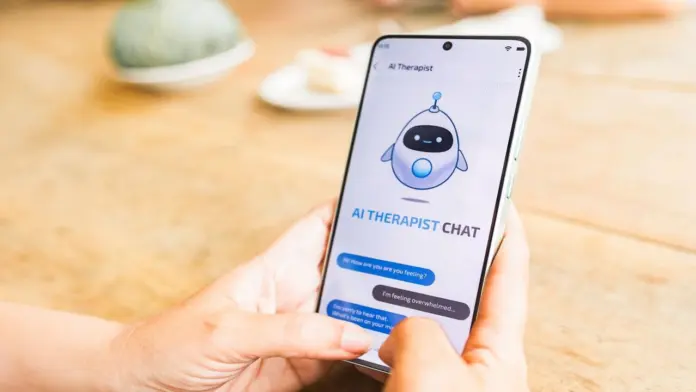
But a new viewpoint published in JAMA Psychiatry warns that the technology is outpacing oversight, and that vulnerable users could pay the price.
The authors, led by William R. Smith, MD, PhD, and colleagues draw a critical distinction between two kinds of AI agents now in circulation.
Specialized AI agents, tools developed for mental health purposes, largely remain in development and testing. Some show encouraging signs of feasibility, acceptability and efficacy. The authors note early trials come with real methodological limitations including waitlist control groups and brief follow-up periods.
General agents are a different story entirely, with tools like ChatGPT, designed for broad use rather than therapy, are already widely used for mental health support. And they carry documented risks, including reinforcing responses to suicidal and psychotic prompts.
The Users No One Is Watching
Perhaps most concerning is that many users may not understand the uncertainty surrounding these tools’ risks and benefits. That is especially true for adolescents, who frequently turn to AI agents for mental health support often without telling anyone.
For people in crisis including those navigating substance use disorders, whose risk of suicide and co-occurring psychiatric conditions is dramatically elevated, the stakes of trusting an unregulated chatbot are not abstract.
A tool that responds poorly to a suicidal prompt or that inadvertently reinforces delusional thinking is not a minor glitch. It can be a matter of life and death.
What This Means for People Seeking Help
The rise of AI mental health tools reflects something real which is that the demand for support far exceeds the supply of providers. Waitlists are long and costs are high. For many people a chatbot is the only “therapist” available at 2 a.m.
But availability is not the same as safety. As these authors make clear, the mental health AI landscape is a patchwork of promising prototypes, loosely tested tools and general-purpose products being used in ways their makers never intended.
For anyone struggling with mental health or substance use, the takeaway is not that technology has no role. It is that human, professional care remains the gold standard, and that trusted treatment resources exist now, not in some future regulatory regime.
Finding Treatment
If you or someone you love is facing a mental health or substance use crisis don’t wait for the technology to catch up. Rehab.com connects people with licensed treatment providers nationwide, help is available today. Call
800-985-8516
(  Sponsored Helpline )
for more information on treatment options.