Sponsored Helpline





























































































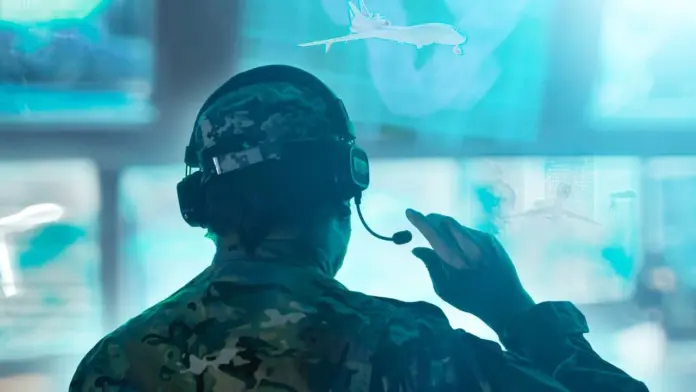
U.S. Southern Command activated Joint Task Force Western Hemisphere on August 4, according to a press release issued from SOUTHCOM headquarters in Doral, Florida. The task force replaces a temporary arrangement with a standing operational headquarters for counter-cartel work across Latin America and the Caribbean.
The Role of the Command
SOUTHCOM describes JTF-WHEM as purpose-built and task-organized, providing unified command and control at the tactical and operational levels. Gen. Francis L. Donovan, the SOUTHCOM commander, directed the activation and selected Marine Corps Maj. Gen. Kevin Jarrard to lead it.
The task force integrates intelligence, surveillance and reconnaissance, operational planning, and multinational coordination. Its stated functions include strengthening intelligence sharing, expanding combined training, improving interoperability, supporting maritime interdiction, building partner capacity, and remaining ready for humanitarian assistance and disaster response.
It works alongside the Americas Counter Cartel Coalition, an 18-nation partnership. Donovan said the arrangement lets the command apply sustained pressure against networks that threaten collective security.
Supply-Side Enforcement and Addiction Treatment Capacity
This is a supply-side action. It targets the organizations that produce and move drugs rather than the conditions that lead people to use them or the systems that treat them.
That distinction matters for anyone reading this while trying to find help. Interdiction operations and addiction treatment capacity run on separate tracks, funded through different agencies under different authorities. An expanded military command in the Caribbean does not add detox beds in Ohio or shorten a waitlist in Arizona.
The SOUTHCOM release does not address domestic drug supply, overdose rates, or treatment access, and it makes no claims about them. Reporting those questions accurately requires different sources, and measuring how interdiction affects the drugs that actually reach American communities remains an open analytical question.
What This Means for Treatment Seekers
Practically, very little changes for you this week. If you needed addiction treatment before August 4, you need it on the same terms now, and the same options are available.
What has not changed is worth stating plainly. The illicit drug supply remains unpredictable, fentanyl and its analogues continue to contaminate substances sold as something else, and none of that is affected by an organizational change at a combatant command. Decisions about treatment should be made on your clinical situation, insurance, and what programs near you actually offer.
Finding the Right Rehab
If you are researching options, a few steps are more useful than tracking policy developments:
- Compare rehab centers by the level of care they provide, from medically supervised detox through residential, intensive outpatient, and standard outpatient programs.
- Ask specifically whether a program offers medication for opioid use disorder, including buprenorphine, methadone, or extended-release naltrexone, since that is the evidence-based standard for opioid addiction.
- Verify accreditation and licensing before committing to a program.
- Confirm your insurance coverage for rehab in advance, including how many days or sessions are authorized and whether prior authorization applies.
- Ask what happens after discharge and who coordinates that transition, since continuity of care is where many treatment episodes break down.
Rehab.com’s directory lets you compare verified treatment centers by location, level of care, insurance accepted, and the specific therapies and medications each program provides. The SAMHSA National Helpline at 1-800-662-4357 is free, confidential, and available 24 hours a day in English and Spanish.
If you or someone you know is in crisis, call or text 988 to reach the Suicide and Crisis Lifeline.