Ashwood Recovery – Outpatient
1
Top 10 Rehab Centers In Boise



















































































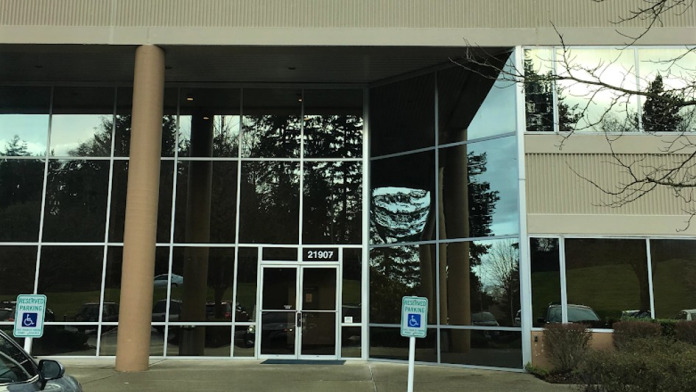
The intensive outpatient program will provide you with three group sessions per week. You can expect structure and support for early recovery. These groups focus on relapse and skills for prevention. I particularly like that they communicate an understanding of your substance use disorder and offer positive effective coping strategies.
Another treatment option they provide is an outpatient program that meets in a group weekly. These groups focus on improving coping skills and developing a sober support network.
The relapse prevention program is for you if you have accepted your substance use disorder, but have recently experienced relapse. To be admitted to this program, you must have full awareness of your substance use disorder and take responsibility for your relapse.
Early intervention services are for people who are showing signs of problematic drug and alcohol use. This program focuses on improving decision-making and coping skills while learning about the consequences of substance misuse.
Former clients said they didn’t feel like they were provided a proper assessment and mentioned that communication with the staff was hard to come by. Some former clients mentioned that they believe the business is about money instead of helping people.



 Our Methodology


Private insurance refers to any kind of healthcare coverage that isn't from the state or federal government. This includes individual and family plans offered by an employer or purchased from the Insurance Marketplace. Every plan will have different requirements and out of pocket costs so be sure to get the full details before you start treatment.
Self-pay involves paying for treatment out of your own pocket. You can use savings or credit, get a personal loan, or receive help from family and friends to fund your treatment. If you don't have insurance or your insurance plan doesn't cover a specific program, self-pay can help ensure you still get the care you need.
Financial aid can take many forms. Centers may have grants or scholarships available to clients who meet eligibility requirements. Programs that receive SAMHSA grants may have financial aid available for those who need treatment as well. Grants and scholarships can help you pai for treatment without having to repay.
Outpatient Programs (OP) are for those seeking mental rehab or drug rehab, but who also stay at home every night. The main difference between outpatient treatment (OP) and intensive outpatient treatment (IOP) lies in the amount of hours the patient spends at the facility. Most of the time an outpatient program is designed for someone who has completed an inpatient stay and is looking to continue their growth in recovery. Outpatient is not meant to be the starting point, it is commonly referred to as aftercare.
Intensive Outpatient Programs (IOP) are for those who want or need a very structured treatment program but who also wish to live at home and continue with certain responsibilities (such as work or school). IOP substance abuse treatment programs vary in duration and intensity, and certain outpatient rehab centers will offer individualized treatment programs.
Rehab aftercare programs support clients as they focus on maintaining their sobriety after intensive (often inpatient) treatment. These programs adhere to a model of life-long recovery, addressing addiction disease as a chronic, relapsing condition. Rehab aftercare services vary widely based on the specific and evolving needs of the client, but often include peer coaching, relapse prevention support, and 12 step program induction. Clients, case managers, and care teams typically collaborate on long-term care plans.
12 step programs support participants' psychological, spiritual, and emotional development as integral to sustained recovery. Though 12 step recovery programs are based on the belief in a non-denominational higher power, religious affiliation is not required. Group meetings are paper-led, anonymous, free, and available daily, including on holidays, in most communities. Peer sponsors selected by the participants provide one-on-one coaching and support. Specialized formats are widely available, including programming for youth, seniors, and families.
It can be difficult for family and friends to carry out a successful drug intervention in Washington on their own. Intervention services can help. These services typically include education about addiction and enabling behaviors, expert facilitation for interventions, and recommendations for appropriate treatment. Often, the involvement of intervention services can create a smooth transition into rehab.
The goal of treatment for alcoholism is abstinence. Those with poor social support, poor motivation, or psychiatric disorders tend to relapse within a few years of treatment. For these people, success is measured by longer periods of abstinence, reduced use of alcohol, better health, and improved social functioning. Recovery and Maintenance are usually based on 12 step programs and AA meetings.
Effective drug rehab in Washington integrates care for the whole person, offering comprehensive solutions to addiction. Treatment methods address mental, physical, and relational aspects of substance abuse.
A combined mental health and substance abuse rehab has the staff and resources available to handle individuals with both mental health and substance abuse issues. It can be challenging to determine where a specific symptom stems from (a mental health issue or an issue related to substance abuse), so mental health and substance abuse professionals are helpful in detangling symptoms and keeping treatment on track.
Opioid rehabs specialize in supporting those recovering from opioid addiction. They treat those suffering from addiction to illegal opioids like heroin, as well as prescription drugs like oxycodone. These centers typically combine both physical as well as mental and emotional support to help stop addiction. Physical support often includes medical detox and subsequent medical support (including medication), and mental support includes in-depth therapy to address the underlying causes of addiction.
Adult rehab programs include therapies tailored to each client's specific needs, goals, and recovery progress. They are tailored to the specific challenges adult clients may face, including family and work pressures and commitments. From inpatient and residential treatment to various levels of outpatient services, there are many options available. Some facilities also help adults work through co-occurring conditions, like anxiety, that can accompany addiction.
Young adulthood can be an exciting, yet difficult, time of transition. Individuals in their late teens to mid-20s face unique stressors related to school, jobs, families, and social circles, which can lead to a rise in substance use. Rehab centers with dedicated young adult programs will include activities and amenities that cater to this age group, with an emphasis on specialized counseling, peer socialization, and ongoing aftercare.
Often, substance use disorder originates with negative thinking patterns. Cognitive behavioral therapy in Washington is designed to help individuals change these patterns of thought, which leads to changes in behavior and freedom from addiction.
Group therapy is any therapeutic work that happens in a group (not one-on-one). There are a number of different group therapy modalities, including support groups, experiential therapy, psycho-education, and more. Group therapy involves treatment as well as processing interaction between group members.
In individual therapy, a patient meets one-on-one with a trained psychologist or counselor. Therapy is a pivotal part of effective substance abuse treatment, as it often covers root causes of addiction, including challenges faced by the patient in their social, family, and work/school life.
Clinicians who apply motivational interviewing techniques engage with their clients as equal partners. This method avoids warnings and confrontation and instead allows clients to analyze their situation and explore their options. This technique is often used when the client feels unsure about their ability or desire to change.
Whether a marriage or other committed relationship, an intimate partnership is one of the most important aspects of a person's life. Drug and alcohol addiction affects both members of a couple in deep and meaningful ways, as does rehab and recovery. Couples therapy and other couples-focused treatment programs are significant parts of exploring triggers of addiction, as well as learning how to build healthy patterns to support ongoing sobriety.
Research clearly demonstrates that recovery is far more successful and sustainable when loved ones like family members participate in rehab and substance abuse treatment. Genetic factors may be at play when it comes to drug and alcohol addiction, as well as mental health issues. Family dynamics often play a critical role in addiction triggers, and if properly educated, family members can be a strong source of support when it comes to rehabilitation.

Executive Director

COO Office Operations
Clinical Director

Director of Outreach & Program

State Licenses are permits issued by government agencies that allow rehab organizations to conduct business legally within a certain geographical area. Typically, the kind of program a rehab facility offers, along with its physical location, determines which licenses are required to operate legally.
State License: Washington
Rehab.com regularly reviews this listing for accuracy but changes may occur between updates. For the most up-to-date information, please contact Assessment & Treatment Associates-Mountlake Terrace.

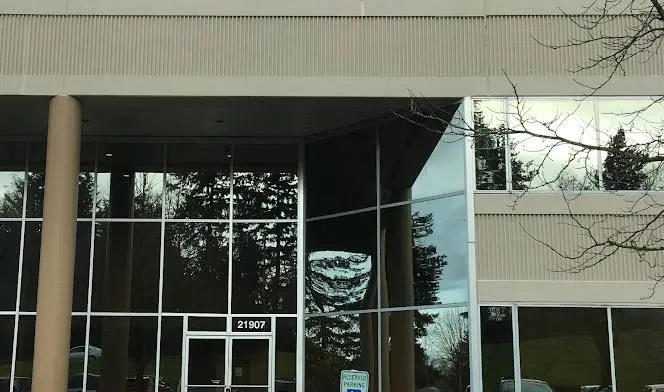
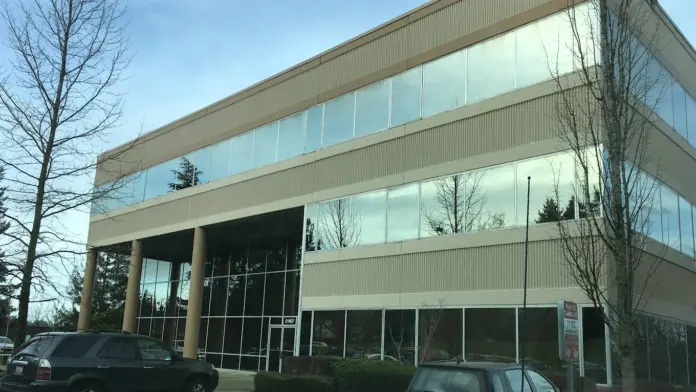
64th Avenue West 21907
Suite 310
Mountlake Terrace, WA 98043
Sponsored Helpline

A DVIT assessment should be a neutral evaluation of risk. It should not start from the assumption that domestic violence already occurred. However, that concern is hard to ignore here. Natasha Holian-Ryan has previously testified: “a client obtaining an assessment is presumed to have committed domestic violence… and the client essentially has no opportunity to contest information provided by a victim.” *Ezell v. Cavins-Ezell* That framework closely matches how this assessment reads. A close friend of mine went through this process, and several issues stood out. First, the completed report was not provided until **about 6 months later**, and only after it was requested. That alone makes it difficult to review or respond in any meaningful way. The report itself relies heavily on phrases like “reports indicate” and summarizes allegations without clearly explaining: * What was actually verified * How information was weighed * Or how conclusions were reached It reads more like a one-sided narrative than a balanced evaluation. There is also a clear disconnect in the findings. The report shows **low risk in areas like violence and control**, yet still recommends a **Level 3 program (second-highest level)**, without clearly explaining why. Another concern is how mental health was handled. The report states: > “This assessment does NOT serve as a psychological… or mental health assessment.” But then still uses mental health conditions to support conclusions, without clearly separating mental health-related responses from domestic violence behavior. The report also references serious traits like “sociopathic” and “psychopathic” without showing that formal testing was conducted. Finally, a Domestic Violence Protection Order (DVPO) appears to be treated as proof that domestic violence occurred, even though it is a civil order based on risk, not a criminal finding of guilt. Overall, the process lacked transparency, balance, and clear reasoning. If this is the standard approach, people should understand how these evaluations may be conducted before going through it. They are not considering anything about the person who made the accusations. It will not matter in the assessment, even if that person was admitted to a mental health institution just 3 months prior. It will not matter if the petitioner provided zero evidence. You will be considered guilty and someone without a medical degree will be assessing you. After one interview you can be labeled as having sociopathic or psychopathic traits. Your evidence and letters from current therapists will not be referenced and likely ignored. Unfortunately this is the way the entire system works. I will be filing a complaint and contacting the attorney general as well as multiple other sources. With the numerous reviews of issues I'm hoping maybe the press might like to take a look at this. Go somewhere else. Find a doctor who runs their own state accredited program. Singer or Goldman might be a start.

very unorganized and rude

My husband completed an assessment with Natasha Holian-Ryan at Assessment & Treatment Associates in Mountlake Terrace, and it was full of serious errors. She included false information, even after we provided proof. She ignored court orders and omitted all the documentation we submitted to correct the report. We were told the report would be amended the next business day—in March. It’s now June, and the second version we finally got a few days ago is still VERY misleading and harmful. We contacted CEO Steve Uhrich, and the only response we got was that he “trusts Natasha”—despite clear evidence of negligence. Since then, we’ve been ignored. This agency should not be trusted. They are money hungry, do not go here.

The attorney general should know about this place. I went in for a non-court-ordered assessment, in order to prepare myself for pre-trial. Unfortunately, these facilities are some of the only ones that will take State insurance. This is why it is such a scam. This is why they get away with all the crap they get away with. It is an utterly broken system. Assessment & treatment associates is not in it to help people. Kelley Colbert ( the woman taking my assessment) barely says hello as I walk in. We sit down, and she begins to ask me questions. She asks me questions about my charge, and then looks at a separate charge that has nothing to do with the assessment. When I explained to her specific charge is not relevant to this assessment she yells, " IM JUST TRYING TO MY JOB!" ( Well honey... You clearly aren't, because you aren't allowed to ask me about charges that have nothing to do with the assessment). Keep in mind, I was very kind and level-headed during the entire questioning. At the end of the assessment she states that her recommendation will be to complete a full day class, and for counseling sessions. And that is it. A week later I speak with my attorney, who goes over Kelly's recommendation. It turns out that Kelly had tacked on a 6-month rehab that I knew nothing about, that she never mentioned during my assessment. Joke's on you Assessment & Teatment associates! Not only did I get my refund, but the judge dismissed my case. What you did was awful. These are the kinds of places that make me want to become avictim advocate. These are the kinds of places that make me want to stand up for vulnerable people. Because you will get taken advantage of from people like this. You better believe I'll be making public comment about your company to city council, and writing letters to our state representatives. We must abide by a broken system, but it does not mean we cannot fight it. Good luck y'all. Best, be sure, I have told both of my lawyers and their division to never send their clients to this place. Every public defender in King county knows that assessment facilities are all bad, but now they know that this one is really bad.
 Back
Back
Sharing your insights and experiences can help others learn more about this rehab center.

 Written By: Kelly Junco
CPC, CPRC, BA, BS Certified Professional Coach, Certified Professional Recovery Coach, Author
Written By: Kelly Junco
CPC, CPRC, BA, BS Certified Professional Coach, Certified Professional Recovery Coach, Author