When someone experiences a benzodiazepine overdose, the situation can become dangerous quickly, especially when other substances are involved. This guide covers the signs of a benzodiazepine overdose, what to do in the first critical minutes, and what treatment options are available for survivors.
Key Points
- A benzodiazepine overdose can cause severe sedation, slowed breathing, confusion and unresponsiveness.
- Most fatal “benzo” overdoses involve a second central nervous system depressant, most commonly opioids or alcohol.
- Naloxone (Narcan) does not reverse a benzodiazepine overdose, but it should still be administered if opioids might be involved.
- Flumazenil is a benzodiazepine-specific reversal agent used in hospital settings, but it can cause seizures in chronic benzodiazepine users and is not the standard prehospital response.
- The standard prehospital response is to call 911, place the person in the recovery position, and, if trained, administer rescue breathing.
- Treatment after an overdose, including medically supervised detox and rehabilitation, can prevent recurrence.
What Is a Benzodiazepine Overdose?
A benzodiazepine overdose happens when you take more of a benzodiazepine than your body can safely metabolize and tolerate. The drug overwhelms your central nervous system and slows normal brain activity to a dangerous level.
Benzodiazepines produce this effect by increasing activity at the GABA-A receptor, which strengthens inhibitory signaling in the brain. In an overdose, that same mechanism can cause severe central nervous system depression.
A pure benzodiazepine overdose is rarely fatal in a healthy adult. However, the danger rises sharply when you combine benzodiazepines with other substances that also depress the central nervous system, especially opioids, alcohol or other sedatives. This is consistent with national mortality data.
Of note, CDC reporting found that benzodiazepine-involved overdose death rates rose substantially over time, including an 830% increase among U.S. women ages 30-64 from 1999 to 2017.1 A more detailed national analysis using CDC mortality data found that 53.3% of benzodiazepine-involved overdose deaths also involved synthetic opioids and another 34.6% involved natural and semi-synthetic opioids.2
53.3% of benzodiazepine-involved overdose deaths also involved synthetic opioids, per CDC mortality data.
Another 34.6% of benzodiazepine-involved overdose deaths involved natural and semi-synthetic opioids.
Recognizing Benzodiazepine Overdose Symptoms
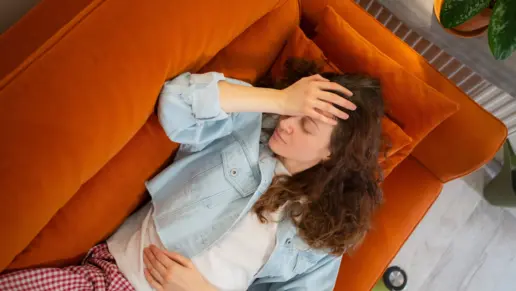
A benzodiazepine overdose results from progressive central nervous system depression. During this event, a person becomes increasingly sedated, less responsive and less able to breathe normally. Symptoms can worsen over time, especially when other drugs are involved.
Common Signs of Benzodiazepine Overdose
While signs can vary for each person, there are some common signs of benzodiazepine overdose to watch for in the beginning stages. You may first notice:
- Severe drowsiness or sedation
- Difficulty waking the person
- Confusion or disorientation
- Slurred speech
- Loss of coordination
As the overdose becomes more serious, you may notice:
- Slow, shallow or labored breathing
- A slowed heart rate
- A declining level of awareness
- Loss of consciousness
These signs can develop gradually. Don’t underestimate the danger and hope they will fade away. It can quickly turn into something more serious.
When the Situation Becomes Life-Threatening
The overdose becomes life-threatening when sedation progresses to major respiratory depression or full unresponsiveness. You may see:
- Very slow breathing
- Long pauses between breaths
- Breathing that stops completely
- Lips, fingertips or face turn blue or gray
If the person is unresponsive, the situation is critical. At its most severe, a benzodiazepine overdose can progress to coma, cardiac arrest or death.
Signs That Other Drugs May Be Involved
You should pay close attention to signs that suggest another depressant, such as an opioid or alcohol, is also present. Look for the following:
- Pinpoint pupils
- Vomiting
- Severe respiratory depression
- Skin discoloration patterns
If you notice any of these signs, it is a medical emergency. Call 911 immediately as polysubstance overdose can be fatal in some cases.
The Critical Risk Multiplier: Poly-Drug Overdose
Most fatal benzodiazepine overdoses are not single-substance events. In most cases, you see benzodiazepines combined with at least one other central nervous system depressant. National mortality research consistently shows that most benzodiazepine-involved overdose deaths also involve opioids and alcohol.
Benzodiazepines and Opioids
The combination of benzodiazepines and opioids is one of the highest-risk poly-substance patterns in addiction medicine. While both drugs suppress breathing, they do so through different mechanisms. Benzodiazepines act through GABA-A-mediated inhibition, and opioids by binding to mu-opioid receptors.
The National Institute on Drug Abuse reports that in 2021, statistics show that nearly 14% of overdose deaths involving opioids also involved benzodiazepines.3
Federal regulators have highlighted this risk for years. As a result, in 2016, the FDA required boxed warnings for prescription opioid pain medicines, opioid-containing cough products and benzodiazepines to warn about the dangers of combined use.
Benzodiazepines and Alcohol
Like benzodiazepines, alcohol acts in part through the GABA-A receptor system and depresses the central nervous system. When you combine the two, sedation deepens and breathing can become dangerously suppressed.
Along with opioids, alcohol also appears regularly in fatal benzodiazepine-involved overdoses. In 2021, the National Institute on Alcohol Abuse and Alcoholism reported that the combination was involved in 21.4% of deaths.4
Why Most “Benzo Overdose” Deaths Are Not Single-Substance
A pure benzodiazepine overdose is usually less lethal than people assume. In a healthy adult, benzodiazepines alone have a relatively high ceiling for causing fatal respiratory depression. But, poly-drug combinations break through that ceiling.
For example, combining benzos and alcohol, or using benzos when you have an opioid use disorder, can result in deeper respiratory suppression, lower oxygen levels, coma, and cardiac arrest. When a benzodiazepine overdose becomes fatal, another depressant is very often part of the event.
Misusing more than one substance may indicate a dual diagnosis, which can be successfully treated at any stage.
Call A Treatment Provider
For a conversation about what treatment options are available to you.
Make a Call
 800-985-8516
 Sponsored Helpline
How to Respond to a Benzodiazepine Overdose
If you suspect a benzodiazepine overdose, you should treat it as a medical emergency. Do not wait to see whether the person improves over time, as sedation and breathing problems can worsen quickly.
It is important to follow these steps to help save a life.
1. Call 911 First
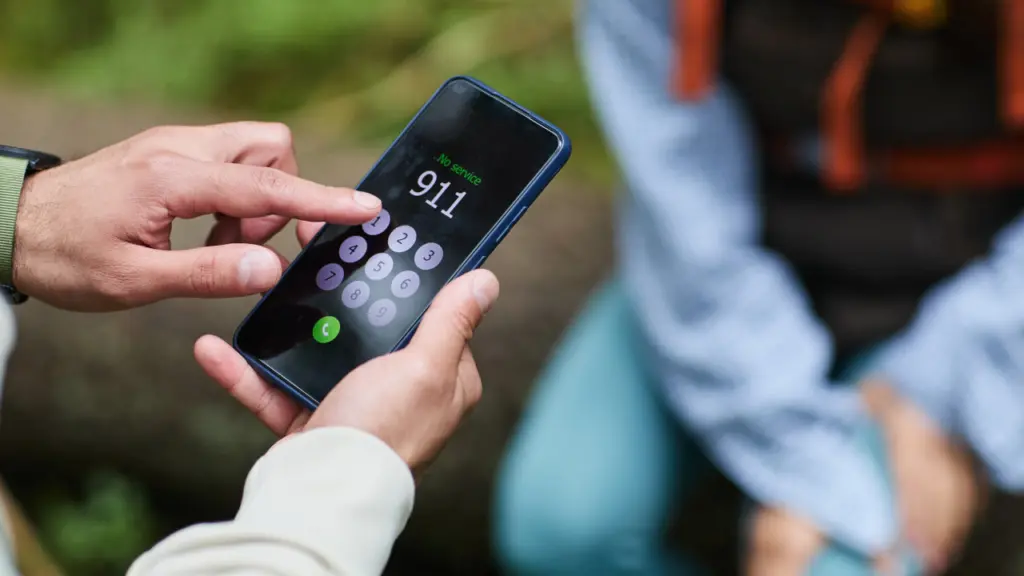
You should call 911 or another emergency number, like poison control, immediately if you think someone may be overdosing. When you speak to the dispatcher, tell them the person is unresponsive or having trouble breathing, and share any information you have about what they may have taken, such as polysubstance involvement of benzodiazepines, opioids, alcohol or other drugs.
2. Place the Person in the Recovery Position
If the person is breathing on their own but is unconscious or very hard to wake, you should place them in the recovery position.
- Lay the person on their side.
- Bend the top knee forward to help keep it stable.
- Position the head so the airway stays open.
This helps protect the airway, especially if the person vomits, and reduces the risk of choking.
3. Monitor Breathing and Perform Rescue Breathing
You should watch the person’s chest rise and fall. Pay attention to whether breathing is slow, shallow, irregular or absent:
- If the person is breathing, keep monitoring them closely.
- If the person is not breathing normally and you are trained, begin rescue breathing.
- If the person has no pulse and you are trained in CPR, start CPR immediately.
Even if breathing returns, you should keep watching closely until emergency help arrives. Also, the 911 operator may be able to help you with performing CPR.
4. Administer Naloxone If Opioids Might Be Involved
Naloxone does not reverse a benzodiazepine overdose. As we have mentioned before, benzodiazepine overdose rarely happens in isolation; most occur when opioids, alcohol or other CNS depressants are involved. In some cases, the drugs are illicitly mixed with fentanyl, and the person taking them may not even be aware of the combination:
- Give naloxone as soon as possible.
- Continue rescue breathing while you wait for it to work.
- Be ready to give another dose if the product instructions call for it and the person does not improve.
Naloxone is safe to give when you suspect an opioid is involved in the overdose. It will not harm someone who is not overdosing on opioids, and it can save a life in a mixed-drug overdose.
5. Stay With the Person Until Help Arrives
You should not leave the person alone. Wait with them until help is on the scene:
- Keep monitoring their breathing and responsiveness.
- Keep them in the recovery position if they are breathing but unconscious.
- Be prepared to tell EMS what substances may be involved and what steps you have already taken.
A person’s condition can change quickly, even after they seem to improve. By staying with them, you can act right away if changes should occur.
Flumazenil: The Benzodiazepine Reversal Agent
Flumazenil blocks benzodiazepines from continuing to stimulate the GABA-A receptor, which can reverse some overdose effects such as sedation and, in selected cases, respiratory depression.
This drug is not available for at-home use, like Naloxone, which is widely distributed. Clinicians only use flumazenil in specific hospital settings. It is most appropriate when the overdose is likely to be a pure benzodiazepine exposure in a person who is not benzodiazepine-dependent. That is why it is used more often for accidental pediatric ingestions or benzo effects during medical procedures, where the exposure is known and the seizure risk is lower.
It is not the standard benzo overdose treatment for an adult overdose. Giving flumazenil to someone who has been using benzodiazepines regularly can trigger adverse effects, including acute withdrawal, severe agitation and seizures.

Treatment After a Benzodiazepine Overdose
If you continue using benzodiazepines after an overdose, especially with opioids, alcohol or other sedatives, your risk of another overdose is high. For most survivors of overdose, the period immediately after the event is often the best time to enter treatment, get medically stabilized and address the substance use patterns that led to the overdose.
Medically Supervised Detox
A medical detox program is often the safest first step when benzodiazepine dependence is present because stopping benzodiazepines abruptly can be dangerous. Withdrawal can cause severe anxiety, tremors, insomnia, autonomic instability and in some cases, seizures.
In a supervised detox setting, you receive 24/7 monitoring during the highest-risk phase. Clinicians can use a gradual taper protocol for benzo detox, which lowers the risk of dangerous withdrawal symptoms. They may also use adjunctive medications to manage anxiety, sleep disruption, autonomic symptoms or other complications.
Inpatient or Residential Rehabilitation
Inpatient or residential treatment is often recommended when the overdose involves poly-substance use, repeated overdoses, unstable mental health symptoms, or other withdrawal risks. This level of care offers a structured setting away from triggers and access to more intensive support.
Outpatient and Intensive Outpatient Care
For lower severity situations where the individual has a stable, supportive home environment, outpatient treatment may be appropriate. This can include a partial hospitalization program (PHP), intensive outpatient program (IOP), or traditional outpatient care, depending on the level of risk and support needed. These programs allow a person to continue living at home while attending structured treatment several times a week.
Treating Co-Occurring Opioid Use
If the benzo overdose also included an opioid, treatment should address opioid use disorder directly rather than focusing only on benzodiazepines. Medication-assisted treatment (MAT) is the standard of care in these situations. This typically includes the use of buprenorphine or methadone, combined with counseling and follow-up care. When both opioid use and benzodiazepine dependence are present, outcomes are generally better when you treat both conditions at the same time.
Behavioral Therapy and Ongoing Support
Long-term recovery usually requires more than medical stabilization. Behavioral therapy helps to address the reasons why benzodiazepine use continued or escalated in the first place.
One example is the use of cognitive behavioral therapy (CBT), which can be especially helpful in the treatment of anxiety, insomnia, panic symptoms and substance use behaviors. As well, if trauma is part of the picture, trauma-focused therapy may also be important.
Ongoing support may also include 12-step groups, SMART Recovery or other peer communities that help you maintain accountability and connection. Finally, a strong treatment plan should also include aftercare planning and relapse prevention.
Call A Treatment Provider
For a conversation about what treatment options are available to you.
Make a Call
800-985-8516Sponsored Helpline
Frequently Asked Questions
Yes, but most “benzo overdose deaths” are poly-drug events. A pure benzodiazepine overdose is rarely fatal in a healthy adult. However, when you combine benzodiazepines with opioids, alcohol, or other CNS depressants, the risk of death rises sharply because breathing can slow or stop.
No. Narcan (naloxone) does not reverse a benzodiazepine overdose because it works as an opioid receptor antagonist and does not act at the benzodiazepine binding site. However, you should still give naloxone immediately if opioids might be involved, even if you are not sure. Most suspected benzo overdoses involve other substances, and naloxone can save a life in a mixed-drug overdose.
Flumazenil is the medication that can reverse benzodiazepine effects. It works as a benzodiazepine receptor antagonist and is used in specific hospital emergency settings. However, flumazenil is not part of routine prehospital overdose response because it can trigger seizures in people who are physically dependent on benzodiazepines. For this reason, it is used only in specific cases.
A benzodiazepine overdose can last hours to days, depending on the specific drug and the dose. Short-acting benzodiazepines like alprazolam usually wear off faster, while long-acting benzodiazepines like diazepam can cause sedation that lasts for many hours or even several days.
Because benzo overdose symptoms can persist or return as the drug continues to circulate in the system, hospital monitoring usually continues until the person is fully alert, breathing normally and medically stable.
Find Treatment After a Benzodiazepine Overdose
After a benzodiazepine overdose, getting treatment quickly can lower your risk of another overdose. The safest next step is a professional assessment for substance use disorder, especially if opioids, alcohol or other sedatives were involved.
Because benzodiazepine withdrawal can be dangerous, treatment often starts with medically supervised detox and a gradual taper. If multiple substances are involved, look for a program that treats polysubstance use and co-occurring mental health conditions together.
You can start your search by using the Rehab.com directory and narrowing your focus with filters that best meet your needs.
Find Addiction Treatment Centers
Finding facilities near you…