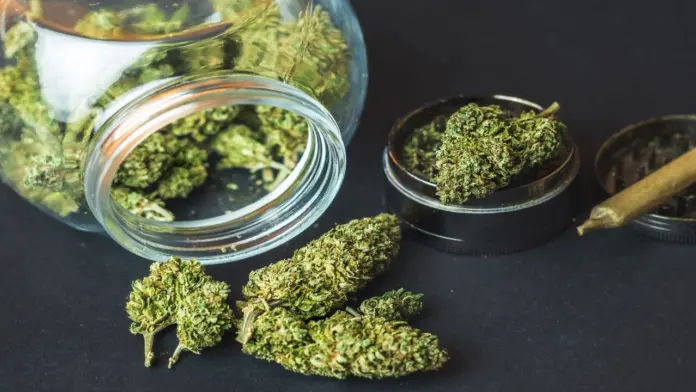
A CDC report published September 3 found cannabis in 21 percent of U.S. overdose deaths. Cannabis itself was listed as the cause of death in fewer than 1 percent of cases.
Cannabis Appeared in 21% of Overdose Deaths
The analysis appeared in the CDC’s Morbidity and Mortality Weekly Report. Researchers used the State Unintentional Drug Overdose Reporting System which combines death certificate information with postmortem toxicology results from 31 states and the District of Columbia.
Among 209,166 overdose deaths during the study period, cannabis was detected in 43,880 cases or 21 percent. That share stayed fairly steady throughout the study period.
Cannabis was listed as causing death in just 0.8 percent of the fatalities. It was the only drug involved in nine deaths nationwide.
The broader pattern points toward polysubstance use as the cause of overdoses and not cannabis alone. Most deaths where cannabis was detected also involved illicitly manufactured fentanyls or stimulants, such as cocaine and methamphetamine.
Clinicians use the term polysubstance use when someone uses multiple substances. That combination can make drug rehab more complicated, because each substance may call for a different treatment approach.
Teens Had the Highest Detection Rate
Cannabis detection dropped as age increased. Toxicology results showed cannabis in 42.7 percent of overdose deaths among adolescents ages 12 to 17. That was the highest rate of any age group even though teens report lower cannabis use than other age groups in the general population.
The teen rate fell from 49.2 percent in 2021 to 35.9 percent in 2024. It then rose to 44.6 percent during the first half of 2025.
Adults ages 50 and older had the lowest detection rate at 16.7 percent, although their rate rose slightly during the study period.
Fentanyl played a major role in overdose deaths among teens. Among teen deaths where cannabis was detected 88.6 percent also involved illicit fentanyls and 69 percent involved stimulants.
The CDC noted that the rate of cannabis involvement may be higher, because toxicology testing for cannabinoids isn’t performed in every case.
What the Findings Mean for Addiction Treatment
The findings give treatment providers another reason to ask detailed questions about substance use during intake.
Someone who uses cannabis along with opioids or stimulants may face different risks. Opioid involvement can also raise the risk of overdose. It may make medication-assisted treatment part of the treatment plan.
The CDC highlighted youth cannabis use as a possible opening for early intervention. It pointed to community prevention efforts such as the Drug Free Communities Support Program and its Evidence-Based Strategies to Prevent Youth Substance Use initiative.
What to Tell a Treatment Provider
Cannabis rarely causes a fatal overdose by itself. Its presence in toxicology results can point to other drug use that carries an even higher overdose risk.
Speak with your treatment provider about every substance you use including cannabis. That information gives the clinical team a clearer picture of risks and helps them build a safer treatment plan.
Questions to Ask Before Choosing Rehab
Not all treatment programs are the same in how they approach treating polysubstance use. Ask how a rehab assesses multiple substance use. Inquire about what treatment it offers when opioids are in the picture.
Not every program offers medication-assisted treatment in their treatment protocol so it’s important to ask if the provider offers it. Its also helpful to know how clinicians are credentialed. You should also understand your insurance coverage before you commit so as to prevent surprises since benefits vary by plan and level of care.
Rehab.com’s directory includes verified treatment centers across the country. Call
800-985-8516
(  Sponsored Helpline )
to speak with a treatment advisor.
Sponsored Helpline )
to speak with a treatment advisor.