





























































































About Clear Springs Ranch
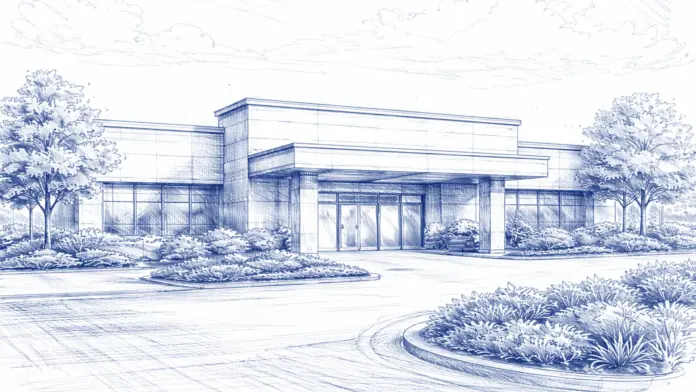
Clear Springs Ranch, located in Aquilla, Texas, was a treatment center that helped individuals who were struggling with alcoholism and substance abuse. This facility is now closed. They were located in a very peaceful and rural environment and had a variety of outpatient services.
Their services included medically supervised detox, which would help you quit substances such as alcohol, opioids and benzodiazepines by providing medication that helps to lower withdrawal symptoms and uncomfortable cravings. They would also give you an individualized treatment plan that would address certain physical and psychological aspects of your specific addiction.
They treated co-occurring disorders, which are surprisingly common in the world of substance misuse. Some of the therapeutic services they offered while they were open included individual therapy and group therapy.
They also emphasized the importance of family involvement. They offered family programming in order to help educate and involve family members in the recovery process.
12-Step Focus and Holistic Care
I noticed their inclusion of 12 Step meetings as well. These were group meetings that used the 12 Step model to help you share experiences with others who have had a similar journey and can help with maintaining accountability.
Their equine-assisted therapy involved things like horse interactions. This would help you develop trust and regulate your emotions while improving self-awareness. They also offered yoga and life skills training as well as relapse prevention and aftercare.
Latest Reviews



Rehab Score
 Our Methodology


Location
Other Forms of Payment
Self-pay involves paying for treatment out of your own pocket. You can use savings or credit, get a personal loan, or receive help from family and friends to fund your treatment. If you don't have insurance or your insurance plan doesn't cover a specific program, self-pay can help ensure you still get the care you need.
Private insurance refers to any kind of healthcare coverage that isn't from the state or federal government. This includes individual and family plans offered by an employer or purchased from the Insurance Marketplace. Every plan will have different requirements and out of pocket costs so be sure to get the full details before you start treatment.
 Monthly
Military members, veterans, and eligible dependents have access to specific insurance programs that help them get the care they need. TRICARE and VA insurance can help you access low cost or no cost addiction and mental health treatment. Programs that accept military insurance often have targeted treatment focused on the unique challenges military members, veterans, and their families face.
Addiction Treatments
Levels of Care
The first stage in successful treatment from alcohol and drug addiction is to safely manage the acute physical withdrawal symptoms most patients experience when abruptly stopping long-term substance use. Each client undergoes a medical assessment upon admission to determine overall health, in addition to pinpointing whether the patient is in need of medically managed detoxification. The assessment includes blood and urine screenings, medical and psychological assessments, as well as specifics regarding the client’s medical history. During the medically supervised detoxification phase of recovery, the stabilization of other identified co-occurring health conditions is also addressed.
Residential treatment programs are those that offer housing and meals in addition to substance abuse treatment. Rehab facilities that offer residential treatment allow patients to focus solely on recovery, in an environment totally separate from their lives. Some rehab centers specialize in short-term residential treatment (a few days to a week or two), while others solely provide treatment on a long-term basis (several weeks to months). Some offer both, and tailor treatment to the patient's individual requirements.
Their 12-Step philosophy is rooted in their commitment to meeting clients exactly where they are in their precise stage of recovery. By working through the time-tested series of 12-Steps, participants eventually identify with the concept of surrendering to a higher spiritual power to assist with maintaining sobriety. Through a spiritual awakening and by admitting powerlessness over one‘s addiction, clients accept the premise that a power greater than oneself can restore one‘s sanity.
Post-treatment services offer transitional support and are customized for each client’s needs. Relapse prevention is critical to ongoing recovery success and close communication with all pertinent health professionals ensures a consistent continuum of care upon discharge. Supportive sober living is encouraged whenever appropriate. Referrals to Intensive Outpatient Programs (IOP) for continued ongoing therapy, individual therapy, and Eye Movement Desensitization and Reprocessing (EMDR) work are arranged if available in the client’s local area. Alumni Program personnel keep in touch with clients at multiple points at the second, third, sixth and 12-month intervals. Clients in the nearby Austin, Dallas, and Fort Worth areas enjoy a variety of on-campus monthly programming events. Additionally, alumni alliances events and yearly alumni reunions are available.
Outpatient Programs (OP) are for those seeking mental rehab or drug rehab, but who also stay at home every night. The main difference between outpatient treatment (OP) and intensive outpatient treatment (IOP) lies in the amount of hours the patient spends at the facility. Most of the time an outpatient program is designed for someone who has completed an inpatient stay and is looking to continue their growth in recovery. Outpatient is not meant to be the starting point, it is commonly referred to as aftercare.
Treatments
The goal of treatment for alcoholism is abstinence. Those with poor social support, poor motivation, or psychiatric disorders tend to relapse within a few years of treatment. For these people, success is measured by longer periods of abstinence, reduced use of alcohol, better health, and improved social functioning. Recovery and Maintenance are usually based on 12 step programs and AA meetings.
During rehab in Texas, you'll deal with underlying issues that contribute to addiction. By addressing these challenges and learning healthy ways to cope with them, you'll develop strategies that help you live a drug-free lifestyle.
Many of those suffering from addiction also suffer from mental or emotional illnesses like schizophrenia, bipolar disorder, depression, or anxiety disorders. Rehab and other substance abuse facilities treating those with a dual diagnosis or co-occurring disorder administer psychiatric treatment to address the person's mental health issue in addition to drug and alcohol rehabilitation.
A combined mental health and substance abuse rehab has the staff and resources available to handle individuals with both mental health and substance abuse issues. It can be challenging to determine where a specific symptom stems from (a mental health issue or an issue related to substance abuse), so mental health and substance abuse professionals are helpful in detangling symptoms and keeping treatment on track.
Opioid rehabs specialize in supporting those recovering from opioid addiction. They treat those suffering from addiction to illegal opioids like heroin, as well as prescription drugs like oxycodone. These centers typically combine both physical as well as mental and emotional support to help stop addiction. Physical support often includes medical detox and subsequent medical support (including medication), and mental support includes in-depth therapy to address the underlying causes of addiction.
Programs
Adult rehab programs include therapies tailored to each client's specific needs, goals, and recovery progress. They are tailored to the specific challenges adult clients may face, including family and work pressures and commitments. From inpatient and residential treatment to various levels of outpatient services, there are many options available. Some facilities also help adults work through co-occurring conditions, like anxiety, that can accompany addiction.
Young adulthood can be an exciting, yet difficult, time of transition. Individuals in their late teens to mid-20s face unique stressors related to school, jobs, families, and social circles, which can lead to a rise in substance use. Rehab centers with dedicated young adult programs will include activities and amenities that cater to this age group, with an emphasis on specialized counseling, peer socialization, and ongoing aftercare.
Clinical Services
This form of psychotherapy helps clients examine how thoughts and beliefs affect behavior. By addressing negative patterns of thoughts and behavior through the help of a trained therapist, positive beliefs can be constructed. Individuals have experienced improved levels of brain functioning and relief from conditions such as depression, anxiety and eating disorders through CBT techniques.
Creativity is inherently healing, and can help those in recovery express thoughts or feelings they might not otherwise be able to. Creative arts therapy can include music, poetry/writing, painting, sculpting, dance, theater, sandplay, and more. Unlike traditional art, the final product matters far less than the experience of creation and expression itself.
This approach helps their clients increase their emotional and cognitive regulation by learning and accepting the triggers that lead to reactive states, such as substance abuse. Dialectical Behavioral Therapy helps identify coping skills to apply in the sequence of events, thoughts, feelings, and behaviors in order to avoid undesired reactions. The treatment is especially helpful with borderline personality disorders.
Equine therapy, aka equine-assisted therapy (EAT), is a form of experiential therapy that involves interactions and activities with horses. It does not necessarily involve riding horses, but all activities related to horses, such as feeding, grooming, haltering and leading them. A mental health professional frequently oversees the activities (often in conjunction with a horse professional), and helps patients process their thoughts, feelings, and behavior patterns during and/or after the interaction.
Experiential therapy is a form of therapy in which clients are encouraged to surface and work through subconscious issues by engaging in real-time experiences. Experiential therapy departs from traditional talk therapy by involving the body, and having clients engage in activities, movements, and physical and emotional expression. This can involve role-play or using props (which can include other people). Experiential therapy can help people process trauma, memories, and emotion quickly, deeply, and in a lasting fashion, leading to substantial and impactful healing.
This is a psychotherapy utilizing a sequence of eye movements that were developed by Francine Shapiro to address disturbing memories that may be the cause of psychopathology. When a traumatic or distressing experience occurs, it may overwhelm normal coping mechanisms. The memory and associated stimuli are inadequately processed and stored in an isolated memory network. The goal of EMDR is to reduce the long-lasting effects of conditions such as Post-traumatic Stress Syndrome (PTSD) by developing more adaptive coping mechanisms.
They understand the damage addiction brings to families. Congratulations on taking the first step toward long-term recovery. Clear Springs Ranch Family Program ensures that the family is part of the treatment process, from the initial assessment to aftercare planning to understanding the signs of relapse.
Group therapy is any therapeutic work that happens in a group (not one-on-one). Group therapy sessions focus on the relationships a person has with others and can help to improve a client’s interpersonal skills. Interacting with others socially with the facilitation of a trained therapist can assist with the recognition of negative patterns. Individuals then are able to learn strategies for understanding and interacting positively with others.
In individual therapy, a patient meets one-on-one with a trained psychologist or counselor. Talking things over confidentially with a trained therapist in a safe environment helps clients begin to understand challenging feelings and behaviors. During individual counseling sessions, Clear Springs Ranch clients learn new coping skills by exploring the connections of past experiences and relationships to current problems.
Life skills trainings involve all the skills a person must have in order to function successfully in the world. These include time management, career guidance, money management, and effective communication. Truly successful addiction recovery is based on the ability to not only live substance-free, but to thrive. Life skills teaches the practical necessities of functioning in society, which sets clients up for success in life, and therefore sobriety.
Motivational Interviewing (MI) is a clinical approach to helping people with substance abuse issues and other conditions shift behavior in positive ways. It is more goal-oriented than traditional psychotherapy, as MI counselors directly attempt to get clients to consider making behavioral change (rather than wait for them to come to conclusions themselves). Its primary purpose is to resolve ambivalence and help clients become able to make healthy choices freely.
Nicotine Replacement Therapy (NRT) is a way of getting nicotine into the bloodstream without smoking. It uses products that supply low doses of nicotine to help people stop smoking. The goal of therapy is to cut down on cravings for nicotine and ease the symptoms of nicotine withdrawal.
Nutrition therapy, aka medical nutrition therapy (MNT), is a way of treating physical, emotional, and medical conditions through diet. Specific dietary plans are designed by professional nutritionists or registered dietitians, and patients follow them in order to positively affect their physical and mental health.
Rational Behavior Therapy (RBT) is a form of cognitive behavioral therapy meant to be short-term and comprehensive. It was intended to help clients become more self-sufficent and move forward without the need for expensive, ongoing therapy. It includes an emotional self-help method called “rational self-counseling,” the purpose of which is to give clients all the skills needed to handle future emotional issues by themselves, or with significantly less professional help.
Trauma therapy addresses traumatic incidents from a client's past that are likely affecting their present-day experience. Trauma is often one of the primary triggers and potential causes of addiction, and can stem from child sexual abuse, domestic violence, having a parent with a mental illness, losing one or both parents at a young age, teenage or adult sexual assault, or any number of other factors. The purpose of trauma therapy is to allow a patient to process trauma and move through and past it, with the help of trained and compassionate mental health professionals.
Amenities
-
 Private Setting
 -
 Lakeside
 -
 Yoga Studio
 -
 Private Rooms
 -
 Hiking
Accreditations

The Joint Commission, formerly known as JCAHO, is a nonprofit organization that accredits rehab organizations and programs. Founded in 1951, the Joint Commision's mission is to improve the quality of patient care and demonstrating the quality of patient care.
Joint Commission Accreditation: Yes
Accreditation Number: 593996

The Substance Abuse and Mental Health Services Administration (SAMHSA) is a branch of the U.S. Department of Health and Human Services. Established in 1992 by congress, SAMHSA's mission is to reduce the impact of substance abuse and mental illness on American's communities.
SAMHSA Listed: Yes

State Licenses are permits issued by government agencies that allow rehab organizations to conduct business legally within a certain geographical area. Typically, the kind of program a rehab facility offers, along with its physical location, determines which licenses are required to operate legally.
State License: Texas
License Number: 3552
Rehab.com regularly reviews this listing for accuracy but changes may occur between updates. For the most up-to-date information, please contact Clear Springs Ranch.
Contact Information


3662 Patton Lake Road
Aquilla, TX 76622
Sponsored Helpline



