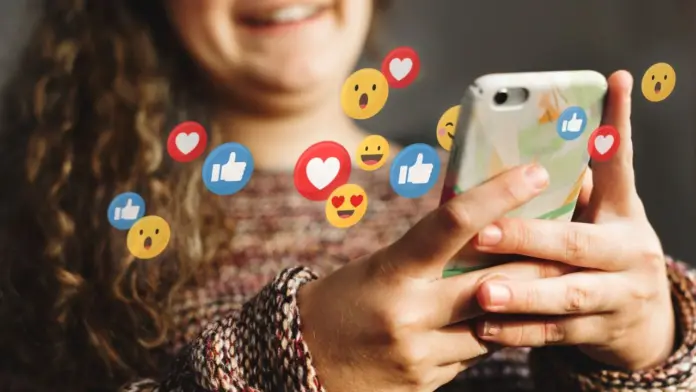
The move is the latest turn in a sprawling wave of litigation that’s forcing a public reckoning over how platform design affects young people’s mental health.
What the Lawsuit Claimed
R.K.C. had argued that companies engineered common platform features, including infinite scroll and autoplay, to drive compulsive use that functioned like an addiction.
He claimed the resulting social media addiction contributed to anxiety and sleep deprivation. He’d already settled similar claims against TikTok, Snapchat, and YouTube in recent weeks before dropping the Meta case as well.
His attorneys, Emily Jeffcott and Rahul Ravipudi, noted their client expressed readiness “to close this chapter and focus on his recovery” as he pursues therapy and a return to ordinary life.
A Meta spokeswoman replied that the claims never held up and that the company received no payment in exchange for R.K.C. dropping his case.
Why This Case Matters Beyond One Lawsuit
R.K.C.’s case represented one of hundreds working through the Los Angeles Superior Court, which oversees widespread litigation alleging that major platforms designed addictive products that harmed children.
The court had selected a small number of these cases to actually go to trial, with the next one scheduled for October.
The stakes became clear earlier this year when a jury found Meta and YouTube liable for harming a young woman’s mental health in a separate trial, awarding her $6 million in damages.
That verdict marked the first time a jury had held social media companies liable for the effects of their platforms on a user. Both companies appealed the verdicts.
Other settlements have piled up alongside the litigation. Meta reached an undisclosed settlement in May with a school district that had sought $60 million over costs tied to students’ social media-related welfare needs.
A New Mexico judge also separately ordered Meta to pay $375 million for misleading users about the safety of its platforms for children. Thousands of similar lawsuits remain pending nationwide.
What This Means for Treatment Seekers
Behavioral addictions, including compulsive social media use, are increasingly recognized alongside substance use disorders as conditions that can respond to structured treatment.
Families researching help for a teen or young adult struggling with compulsive platform use aren’t limited to waiting on litigation outcomes.
Cognitive behavioral therapy, digital detox planning, and, in some cases, treatment for co-occurring anxiety or depression can all address the same compulsive-use patterns described in these lawsuits.
Parents watching this litigation may also be recognizing similar patterns at home. Warning signs of problematic social media use in teens can include withdrawal or irritability when access is limited, disrupted sleep, and declining engagement with offline relationships or responsibilities.
Mental health professionals increasingly frame these patterns using the same dopamine-driven reward mechanisms associated with substance use disorders. Nevertheless, social media addiction isn’t a substance and doesn’t carry the same physical withdrawal risks.
The lawsuits themselves have focused public attention on specific design features, like infinite scroll and autoplay, that platforms use to keep users engaged.
Whether or not that design amounts to legal liability amounts to a guilty verdict remains a question on a case by case basis. But the underlying behavioral pattern, compulsive use that a person struggles to control despite wanting to stop, echoes the same pattern addiction treatment providers already evaluate and treat.
Exploring Treatment Options
If a teen or young adult in your life shows signs of compulsive social media use, treat it with the same seriousness as any other behavioral health concern.
Options include therapy focused on compulsive behavior patterns, family counseling, and structured digital detox support.
Explore Rehab.com’s directory to compare treatment providers that address behavioral addiction and co-occurring mental health conditions. Feel free to call
800-985-8516
(  Sponsored Helpline )
to get in contact with a treatment specialist today.
Sponsored Helpline )
to get in contact with a treatment specialist today.