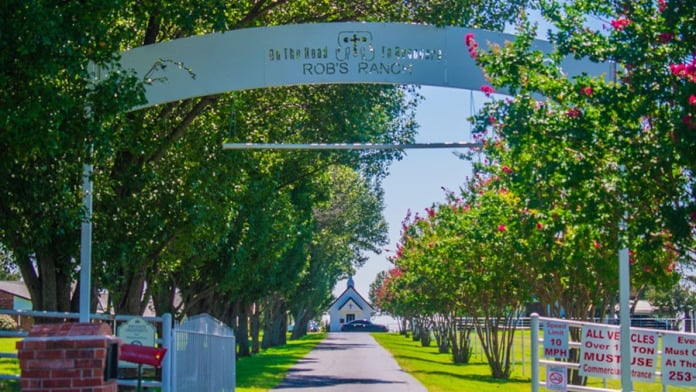
The H.O.W. Foundation combines these 12 Step principles with hands-on work in a supportive sober living space. They work with law enforcement to spark your sense of personal responsibility, moral values and self-confidence. Accepting responsibility for your life decisions keeps you laser focused on recovery instead of blaming others for your failures. This is what this program is all about. It is self supporting and physically demanding. You’ll learn accountability, personal responsibility and independent living skills through traditional manual labor. This labor is performed through community services, including removing tree stumps, chopping firewood, and hauling trash.
The program also emphasizes open-mindedness. This is important when working the 12 Steps. You must be willing to learn how to put the steps into practice. This learning experience fosters a real sense of community, of giving back and of truly belonging. 12 Step meetings don’t just promote community support but also inspire lasting relationships. When you think of it, you’ll connect with peers who share your experiences, strengths, and vulnerabilities. This helps you create a strong support network that encourages a sober lifestyle and prevents relapse. The activities also include prayers and meditation to help you build inner peace and self-awareness.
The program grants you a brand new perspective on life. You’ll be equipped with a restored work ethic and a set of new principles to guide your life. This is a recipe for making a fresh start that sets you up for a healthy and productive life. This is given that you continue putting in the work though. The program lasts for a minimum of six months.
If you need tree service, highly recommend HOW Foundation.
We have used them several times. They do a great job, clean up after they are done and are affordable
They always work hard and do a good job. I no longer have a jungle YAY!
The one thing id hoped they would do is haul away all the wood limbs in my yard. They did some but left quite a few.
All in all they always do a great job! Thank you gentleman!
Joe and Michael are both amazing people. This foundation helps a lot of men. Their thrift store is amazing and you can always find a good bargain.
Response from the owner1 week ago
Thank you, Carla, for your wonderful review and for recognizing Joe and Michael. We’re glad our foundation and thrift store are making a positive difference and that you find great bargains. We look forward to seeing you again soon.
Scoring is assigned by a proprietary system which helps surface key metrics that determine quality. The 10-point scale factors in categories such as operations, customer satisfaction, and trust metrics. Read Full Methodology
6.7 / 10
Gallery
Other Forms of Payment
Financial aid can take many forms. Centers may have grants or scholarships available to clients who meet eligibility requirements. Programs that receive SAMHSA grants may have financial aid available for those who need treatment as well. Grants and scholarships can help you pai for treatment without having to repay.
Free
Addiction Treatments
Levels of Care
Clients seeking care in an outpatient rehab are often stepping down from intensive inpatient treatment or have chosen to remain in their home while in treatment. Outpatient programs offer a variety of services to provide clients with a full continuum of care. Partial hospitalization (PHP) and intensive outpatient (IOP) programs are high frequency and intensity services for clients who require robust structure, supervision, and support. Outpatient treatment typically consists of psychotherapy, recovery education, and medication assisted treatment (MAT).
Inpatient rehabs provide extra support for clients in early recovery and those at a high risk of relapse. They allow clients to focus on their sobriety safe from outside distractions, stressors, and addiction triggers. Clients reside at the treatment center for the length of their program, where they receive extensive addiction counseling, including individual, group, and family therapy. Many programs also offer robust life skills training and holistic therapies, such as meditation.
Clients participating in an intensive outpatient program (IOP) receive frequent, high-level care while living at home. Many enter intensive outpatient treatment immediately after leaving inpatient rehab, but some transition directly from detox into IOP. Treatment generally involves nine to 20 therapeutic hours per week and a combination of addiction counseling, recovery-focused life skills training, and evidence-based complementary care. Many outpatient rehabs also offer medication assisted treatment (MAT) for clients with alcohol and/or opioid addiction.
Clients enrolled in rehab aftercare programs have typically completed weeks or months of intensive treatment, often in inpatient detox and/or rehab centers, and may be receiving outpatient care. Drug rehab aftercare is designed to approach recovery as a life-long process. Clients and their case managers and care teams typically work together to formulate clients' continuing care plan, which may include peer coaching, career counseling, and 12 step program facilitation, among other services.
12-step programs are addiction recovery models based on Alcoholics Anonymous (AA). A number of substance abuse programs (including some drug and alcohol rehab centers) use the 12 steps as a basis for treatment. Beginning steps involve admitting powerlessness over the addiction and creating a spiritual basis for recovery. Middle steps including making direct amends to those who've been hurt by the addiction, and the final step is to assist others in addiction recovery in the same way. 12-Step offshoots including Narcotics Anonymous (NA), Cocaine Anonymous (CA), Dual Recovery Anonymous (DRA), Sex and Love Addicts Anonymous (SLAA) and Gamblers Anonymous (GA).
Sober Living Houses (SLHs), aka sober homes or halfway houses, are safe, substance-free, supportive living facilities for those recovering from substance abuse. Ideal for those who've just been through inpatient or outpatient treatment, SLHs are supervised environments with rules that support sobriety, such as curfews, shared chores, and therapeutic meetings. Residents are also often trained on life skills and coping skills to make it easier to transition into society. SLHs also provide a strong sense of community that can lead to the kind of deep and lasting connections with other sober individuals that supports a new, healthy lifestyle.
Drug and alcohol addiction often takes a heavy toll on one's body. Over time, a physical dependence can develop, meaning the body physiologically needs the substance to function. Detox is the process of removing drugs and/or alcohol from the body, a process that can be lethal if mismanaged. Medical detox is done by licensed medical professionals who monitor vital signs and keep you safe, healthy, and as comfortable as possible as you go through detox and withdrawal.
Treatments
The goal of treatment for alcoholism is abstinence. Those with poor social support, poor motivation, or psychiatric disorders tend to relapse within a few years of treatment. For these people, success is measured by longer periods of abstinence, reduced use of alcohol, better health, and improved social functioning. Recovery and Maintenance are usually based on 12 step programs and AA meetings.
To address the issues of addiction, each drug rehab in Oklahoma is tailored to meet the individual's needs. Treatment may occur in a residential or outpatient setting, and may last from a few days to several months.
Opioid rehabs specialize in supporting those recovering from opioid addiction. They treat those suffering from addiction to illegal opioids like heroin, as well as prescription drugs like oxycodone. These centers typically combine both physical as well as mental and emotional support to help stop addiction. Physical support often includes medical detox and subsequent medical support (including medication), and mental support includes in-depth therapy to address the underlying causes of addiction.
Substance rehabs focus on helping individuals recover from substance abuse, including alcohol and drug addiction (both illegal and prescription drugs). They often include the opportunity to engage in both individual as well as group therapy.
Programs
Adult rehab programs include therapies tailored to each client's specific needs, goals, and recovery progress. They are tailored to the specific challenges adult clients may face, including family and work pressures and commitments. From inpatient and residential treatment to various levels of outpatient services, there are many options available. Some facilities also help adults work through co-occurring conditions, like anxiety, that can accompany addiction.
Young adulthood can be an exciting, yet difficult, time of transition. Individuals in their late teens to mid-20s face unique stressors related to school, jobs, families, and social circles, which can lead to a rise in substance use. Rehab centers with dedicated young adult programs will include activities and amenities that cater to this age group, with an emphasis on specialized counseling, peer socialization, and ongoing aftercare.
Men face specific challenges and concerns when seeking addiction treatment. Gender-specific recovery programs help them tackle these issues head-on in an environment that's focused, targeted, and distraction-free. It also gives them the opportunity to connect with and learn from other men who have been through a similar journey and can offer support for the next step.
Clinical Services
Group therapy is any therapeutic work that happens in a group (not one-on-one). There are a number of different group therapy modalities, including support groups, experiential therapy, psycho-education, and more. Group therapy involves treatment as well as processing interaction between group members.
In individual therapy, a patient meets one-on-one with a trained psychologist or counselor. Therapy is a pivotal part of effective substance abuse treatment, as it often covers root causes of addiction, including challenges faced by the patient in their social, family, and work/school life.
Life skills trainings involve all the skills a person must have in order to function successfully in the world. These include time management, career guidance, money management, and effective communication. Truly successful addiction recovery is based on the ability to not only live substance-free, but to thrive. Life skills teaches the practical necessities of functioning in society, which sets clients up for success in life, and therefore sobriety.
Amenities
Private Setting
Residential Setting
Rehab.com regularly reviews this listing for accuracy but changes may occur between updates. For the most up-to-date information, please contact HOW Foundation.
HOW foundation has helped me a lot in my recovery process, they have given me a foundation to go forward in my life. They have taught me how to live again, free of addictions. Thanks to the help that I've received here now I'm more responsible and a more respectful person. M ...
Read More
Reviewed on 3/4/2019
1
Pit stop for ppl on their way to prison or on way out. Work camp. Got to be better place. Money makers for themselves.
If you need tree service, highly recommend HOW Foundation.
We have used them several times. They do a great job, clean up after they are done and are affordable
Debbie Thomas
3 weeks ago
4
They always work hard and do a good job. I no longer have a jungle YAY!
The one thing id hoped they would do is haul away all the wood limbs in my yard. They did some but left quite a few.
All in all they always do a great job! Thank you gentleman!
Carla Stokes
1 month ago
5
Joe and Michael are both amazing people. This foundation helps a lot of men. Their thrift store is amazing and you can always find a good bargain.
Response from the owner
Thank you, Carla, for your wonderful review and for recognizing Joe and Michael. We’re glad our foundation and thrift store are making a positive difference and that you find great bargains. We look forward to seeing you again soon.
Sylvia Hill
1 month ago
5
Absolutely fabulous service! They went above and beyond what was scheduled to do. They were professional, efficient and friendly. You couldn't ask for more!
Response from the owner
Thank you, Sylvia! We’re pleased to hear our team exceeded your expectations and provided professional, efficient, and friendly service. We look forward to serving you again.
Chika Uchendu is an expert freelance SEO writer, proofreader and editor with over 10 years experience delivering compelling and digestible articles across multiple verticals for various reputable digital publishers. His core specialties are personal finance and investing, technology, and health and wellness. He is deeply passionate about addiction treatment and recovery and is dedicated to raising awareness and offering valuable insights that help individuals understand and overcome this critical issue. He has a master’s in digital marketing. In his free time, he enjoys playing sports, hiking and outdoor adventures, and traveling to explore new cultures.
By calling the helpline you agree to the terms of use. We do not receive any commission or fee that is dependent upon which treatment provider a caller chooses. There is no obligation to enter treatment.
Calls to numbers on a specific treatment center listing will be routed to that treatment center. Calls to any general helpline could be forwarded to SAMHSA or a verified treatment provider.
If you wish to connect with non-sponsor centers, you can browse top-rated listings, visit our homepage and browse by state, or visit SAMHSA.

 Sponsored Helpline





























































































 280
280 





 Private Setting
  Residential Setting