






























































































About Natchaug Hospital- Joshua Center Enfield
You’ll find Natchaug Hospital – Joshua Center Enfield in Enfield, Connecticut, just 25 minutes north of Hartford. Established in 1954, this Joint Commission accredited not for profit provides comprehensive care for Eastern Connecticut communities. Their Enfield location offers specialized approaches for youth aged six to 17 battling addiction and mental health conditions.
Your child can participate in various outpatient programs, including partial hospitalization and intensive outpatient. They provide a comprehensive assessment to determine the best fit for your child’s needs and recovery goals.
Your child will benefit from proven therapeutic interventions including group, family and individual therapy. These approaches can help your child work through the underlying causes of addiction and develop coping skills to sustain recovery. They also provide extensive aftercare planning to create a clear path for the next steps in your child’s journey.
Enhancing Overall Wellness on the Path to Recovery
What stands out most to me is they offer occupational and creative rehabilitation therapy. Your child will benefit from fostering essential life, educational and vocational skills. They also provide new outlets for self expression and growth with artistic approaches. These therapies can support your child’s journey and improve their overall wellness.
Identifying Individual Needs for Targeted Support
I also think it’s great that they offer Juvenile Justice Intermediate Evaluations. Children and adolescents referred by the Juvenile Justice System can participate in comprehensive outpatient evaluations. These approaches can identify your child’s needs and develop wraparound service recommendations to aid in their journey.
Support Through Reliable Transportation
Lastly, I think it’s nice that they offer transportation. You won’t have to worry about getting your child to and from their facility. They offer a service to pick your child up from school and drop them off at home throughout the duration of treatment.

Rehab Score
 Our Methodology


Location
Other Forms of Payment
Private insurance refers to any kind of healthcare coverage that isn't from the state or federal government. This includes individual and family plans offered by an employer or purchased from the Insurance Marketplace. Every plan will have different requirements and out of pocket costs so be sure to get the full details before you start treatment.
Self-pay involves paying for treatment out of your own pocket. You can use savings or credit, get a personal loan, or receive help from family and friends to fund your treatment. If you don't have insurance or your insurance plan doesn't cover a specific program, self-pay can help ensure you still get the care you need.
Financial aid can take many forms. Centers may have grants or scholarships available to clients who meet eligibility requirements. Programs that receive SAMHSA grants may have financial aid available for those who need treatment as well. Grants and scholarships can help you pai for treatment without having to repay.
Medicare is a federal program that provides health insurance for those 65 and older. It also serves people under 65 with chronic and disabling health challenges. To use Medicare for addiction treatment you need to find a program that accepts Medicare and is in network with your plan. Out of pocket costs and preauthorization requirements vary, so always check with your provider.
Medicaid is a state based program that helps lower-income individuals and families pay for healthcare. Medicaid covers addiction treatment so those enrolled can use their coverage to pay for rehab. When a program accepts Medicaid the client often pays very little or nothing out of their own pocket.
Military members, veterans, and eligible dependents have access to specific insurance programs that help them get the care they need. TRICARE and VA insurance can help you access low cost or no cost addiction and mental health treatment. Programs that accept military insurance often have targeted treatment focused on the unique challenges military members, veterans, and their families face.
Addiction Treatments
Levels of Care
Outpatient Programs (OP) are for those seeking mental rehab or drug rehab, but who also stay at home every night. The main difference between outpatient treatment (OP) and intensive outpatient treatment (IOP) lies in the amount of hours the patient spends at the facility. Most of the time an outpatient program is designed for someone who has completed an inpatient stay and is looking to continue their growth in recovery. Outpatient is not meant to be the starting point, it is commonly referred to as aftercare.
Inpatient rehab offers intensive treatment for clients who are transitioning out of detox, in early recovery, and at risk of relapse. Housing and meals are provided, and most facilities offer round-the-clock clinical care. Clients engage in multiple counseling and therapy sessions each week, along with extensive recovery-focused life skills training. Many inpatient drug rehab programs include evidence-based complementary therapies, such as meditation, massage, creative arts therapy, nutrition therapy, and experiential therapy.
Intensive outpatient programs (IOP) offer robust support for clients who are at an elevated risk of relapse, including those in early recovery and those in crisis. Clients in intensive outpatient treatment typically receive between nine and 20 hours of service per week, with the intensity and frequency of treatment decreasing as clients stabilize. The services provided in these programs vary, but generally include addiction counseling, recovery-focused life skills training, medication assisted treatment (MAT), and holistic therapies.
A partial hospitalization program (PHP) offers short-term intensive rehab for those who don't require 24-hour care. PHP treatment can serve as an alternative to inpatient hospitalization or a step-down option after being released from a hospital or residential program. A partial hospitalization program can provide medication management, relapse prevention strategies, and behavioral therapy interventions. With daily sessions lasting up to 8 hours for up to 5 days a week, the duration can vary with the average being 90 days.
At times during the addiction treatment process, medical professionals must provide 24-hour clinical care in Connecticut. The processes are medically supervised due to the potential dangers of withdrawal symptoms. Staff often prescribe medications to manage these symptoms and curb cravings.
Typically seen as a first step in the recovery process, medically assisted detox generally takes place in an inpatient setting under the 24/7 supervision of licensed medical professionals. It is considered the safest way to remove addictive drugs from your body. The length of a medical detox program is individualized, but it often takes around 5-7 days.
Treatments
Mental health rehabs focus on helping individuals recover from mental illnesses like bipolar disorder, clinical depression, anxiety disorders, schizophrenia, and more. Mental health professionals at these facilities are trained to understand and treat mental health issues, both in individual and group settings.
Programs
Adult rehab programs include therapies tailored to each client's specific needs, goals, and recovery progress. They are tailored to the specific challenges adult clients may face, including family and work pressures and commitments. From inpatient and residential treatment to various levels of outpatient services, there are many options available. Some facilities also help adults work through co-occurring conditions, like anxiety, that can accompany addiction.
Young adulthood can be an exciting, yet difficult, time of transition. Individuals in their late teens to mid-20s face unique stressors related to school, jobs, families, and social circles, which can lead to a rise in substance use. Rehab centers with dedicated young adult programs will include activities and amenities that cater to this age group, with an emphasis on specialized counseling, peer socialization, and ongoing aftercare.
Serving in the military is both mentally and physically challenging, and can result in trauma that persists even after combat ends. Military programs are tailored to the specific and often complex needs of active duty personnel, veterans, and military families. Clients often access these programs through the U.S. Department of Veterans Affairs (VA).
Clinical Services
According to cognitive behavioral therapy in Connecticut, individuals can change their behaviors by changing their thoughts. Applied to substance use disorder, this can be an effective treatment method to help patients transform their thoughts and lives.
Clients participating in dialectical behavior therapy in Connecticut can expect to attend weekly skills focused group meetings as well as one on one sessions with the therapist. Individual sessions usually last one hour, and groups, made up of four to 10 people, last 1.5 to 2 hours. The focus is to help clients accept situations, recognize emotions, and acknowledge the need for change.
Group therapy is any therapeutic work that happens in a group (not one-on-one). There are a number of different group therapy modalities, including support groups, experiential therapy, psycho-education, and more. Group therapy involves treatment as well as processing interaction between group members.
In individual therapy, a patient meets one-on-one with a trained psychologist or counselor. Therapy is a pivotal part of effective substance abuse treatment, as it often covers root causes of addiction, including challenges faced by the patient in their social, family, and work/school life.
Trauma therapy addresses traumatic incidents from a client's past that are likely affecting their present-day experience. Trauma is often one of the primary triggers and potential causes of addiction, and can stem from child sexual abuse, domestic violence, having a parent with a mental illness, losing one or both parents at a young age, teenage or adult sexual assault, or any number of other factors. The purpose of trauma therapy is to allow a patient to process trauma and move through and past it, with the help of trained and compassionate mental health professionals.
Whether a marriage or other committed relationship, an intimate partnership is one of the most important aspects of a person's life. Drug and alcohol addiction affects both members of a couple in deep and meaningful ways, as does rehab and recovery. Couples therapy and other couples-focused treatment programs are significant parts of exploring triggers of addiction, as well as learning how to build healthy patterns to support ongoing sobriety.
Research clearly demonstrates that recovery is far more successful and sustainable when loved ones like family members participate in rehab and substance abuse treatment. Genetic factors may be at play when it comes to drug and alcohol addiction, as well as mental health issues. Family dynamics often play a critical role in addiction triggers, and if properly educated, family members can be a strong source of support when it comes to rehabilitation.
During rehab treatment, you and your therapist will identify any life skills that you need to develop. Your treatment will include methods to strengthen those skills so you can have a successful long term recovery. These skills include thinking skills, self awareness, and interpersonal skills.
The goal of experiential therapy is to help you release negative thoughts and emotions and learn healthy coping strategies. This is accomplished through expressive activities such as animal care, music, art, culinary arts, or drama.
When you use nicotine replacement therapy in Connecticut, you can avoid further exposure to the harmful chemicals found in tobacco. You'll get small doses of nicotine without the other toxins, so you can slowly wean yourself off nicotine and quit smoking for good.
Amenities
-
 Residential Setting
 -
 Private Rooms
Staff & Accreditations
Staff
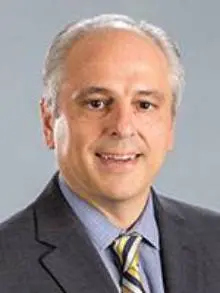
John Santopietro, MD, DFAPA
Physician-in-Chief, Behavioral Health Network & Senior Vice President, Hartford HealthCare

James F. O’Dea, Ph.D., MBA
Senior VP, Behavioral Health Network

Carla Schnitzlein, Natchaug Hospital
Medical Director

Paul V. Maloney
Regional VP, Finance Behavioral Health Network, Hartford HealthCare
Accreditations

The Joint Commission, formerly known as JCAHO, is a nonprofit organization that accredits rehab organizations and programs. Founded in 1951, the Joint Commision's mission is to improve the quality of patient care and demonstrating the quality of patient care.
Joint Commission Accreditation: Yes
Rehab.com regularly reviews this listing for accuracy but changes may occur between updates. For the most up-to-date information, please contact Natchaug Hospital- Joshua Center Enfield.
Contact Information


72 Shaker Road
Suite 7
Enfield CT, 06082
Sponsored Helpline



