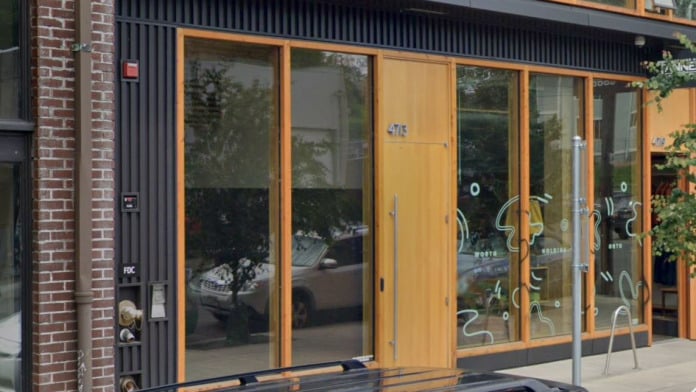
About Klinic
Klinic is a telehealth addiction treatment platform based in Seattle, Washington that connects patients nationwide to board certified providers through secure virtual appointments.
The service offers online therapy, medication assisted treatment evaluation, and personalized care for substance use and co-occurring mental health conditions. Their Seattle address is appointment-only and administrative. Klinic does not provide walk-in or in-person treatment services.
What addiction treatment services does Klinic offer?
Klinic provides virtual individual therapy, group therapy, and medication assisted treatment through online consultations. Providers can evaluate eligibility for medications such as Suboxone and Vivitrol and support clients with evidence based approaches including cognitive behavioral therapy, dialectical behavior therapy, and relapse prevention.
Who can get help through Klinic?
The platform serves adults seeking treatment for addiction and co-occurring conditions such as depression, anxiety, PTSD, bipolar disorder, and ADHD. Because care is delivered virtually, patients across the United States can access Klinic’s network of independent providers.
How does virtual treatment work?
All appointments are conducted through secure online video sessions, allowing clients to meet with providers from home or another private location. Treatment plans are personalized based on individual needs and may include ongoing therapy, medication management, and follow-up care.
What insurance does Klinic accept?
Klinic works with hundreds of insurance plans, including Medicare, Medicaid, and many private carriers. Clients are encouraged to verify their specific coverage before scheduling.
Similar Rehab Centers


Edited by:
Kimberly Hawkins, MSc

Rehab Score
 Our Methodology
Scoring is assigned by a proprietary system which helps surface key metrics that determine quality. The 10-point scale factors in categories such as operations, customer satisfaction, and trust metrics. Read Full Methodology

0.4 / 10
Location
Other Forms of Payment
Sliding scale payments are based on a client's income and family size. The goal is to make treatment affordable to everyone. By taking these factors into account, addiction recovery care providers help ensure that your treatment does not become a financial burden to you or your family, eliminating one barrier to care.
Addiction Treatments
Levels of Care
Telehealth in Washington gives you the option to receive treatment remotely. Instead of visiting a counselor or doctor in person, you can schedule a video call or phone call. Telehealth technology also allows your healthcare provider to monitor your physical condition remotely.
Treatments
Alcoholism is a chronic condition that often includes periods of relapse. A person with his alcohol addiction has become physically and/or psychologically dependent on alcohol. Often, alcohol use disorders occur alongside other mental health disorders. It is important to receive dual diagnosis treatment for both. Alcohol rehab in Washington can address co-occurring disorders through a variety of behavioral therapies and evidence-based approaches.
 Opioid Addiction
Effective drug rehab in Washington integrates care for the whole person, offering comprehensive solutions to addiction. Treatment methods address mental, physical, and relational aspects of substance abuse.
Inpatient and outpatient drug and alcohol rehabs are typically the best option if you're looking for substance abuse treatment in Washington. These programs employ evidence-based therapies such as cognitive-behavioral therapy (CBT), dialectical behavior therapy (DBT), and holistic approaches to help you overcome addiction, enhance your coping skills, and promote your mental health. Together, you'll learn the vital skills to support long-term sobriety and overall well-being.
If you have both a substance abuse problem and a mental health disorder like depression, bipolar disorder, or anxiety, it is known as a co-occurring disorder or a dual diagnosis. Dealing with substance abuse, alcoholism, or drug addiction is already difficult, but it becomes even more difficult when you combine addiction with mental health problems. That's why it's essential to treat both conditions at the same time.
Washington's specialized dual-diagnosis addiction treatment programs provide inpatient and intensive outpatient care for individuals with co-occurring substance use disorders and mental health conditions. Treatment generally includes psychiatric evaluations and individualized treatment planning, evidence-based therapies, mindfulness-based programming, and group therapy address both disorders and promote mental health. Treating both disorders simultaneously can improve long-term outcomes and sustain sobriety.
Programs
Teen programs are designed to address the unique pressures teens face, pressures that can drive them to experiment with dangerous, addictive substances. They need programs that meet them exactly where they are and give them tools for long-term recovery. Therapy can help teenagers understand and work through underlying issues so they can reclaim the life ahead of them.
Adult rehab programs include therapies tailored to each client's specific needs, goals, and recovery progress. They are tailored to the specific challenges adult clients may face, including family and work pressures and commitments. From inpatient and residential treatment to various levels of outpatient services, there are many options available. Some facilities also help adults work through co-occurring conditions, like anxiety, that can accompany addiction.
Serving in the military is both mentally and physically challenging, and can result in trauma that persists even after combat ends. Military programs are tailored to the specific and often complex needs of active duty personnel, veterans, and military families. Clients often access these programs through the U.S. Department of Veterans Affairs (VA).
Amenities
-
 Metropolitan Area
Contact Information


1201 2nd Ave, Seattle, WA 98101
Get Help Now - 206-809-2983
Sponsored Helpline
Sponsored Helpline