You took more THC than you meant to and want to know if you are safe. Your child ate an edible, and you are concerned about their condition. You are trying to understand whether what you experienced was a cannabis overdose or not.
A fatal cannabis overdose is extremely rare in adults, but acute cannabis intoxication is real and can land you in the ER. This is a more serious risk for children with certain types of products. On this page, we’ll discuss what a weed overdose looks like, why edibles drive most cases of marijuana overdose, when to go to the ER, and how cannabis use disorder fits in.
Key Points
- A fatal cannabis overdose from THC alone is extremely rare in healthy adults.
- Acute cannabis intoxication causes ER visits with anxiety, vomiting, racing heart, and possible hallucinations.
- Edibles cause most adult cannabis overdoses due to delayed onset and accidental re-dosing.
- Children who eat cannabis edibles face serious risks, including seizures and respiratory depression.
- Synthetic cannabinoids like K2 and Spice are not cannabis and can cause fatal overdoses.
- Cannabis use disorder is a recognized condition with treatment options covered by most insurance plans.
Quick Answer: Can You Overdose on Weed?
Yes, you can overdose on weed, but the meaning of “overdose” is different from that of opioids or alcohol. A fatal THC overdose alone is extremely rare in adults. What people usually mean by a cannabis overdose is acute cannabis intoxication, also called “greening out,” which can cause severe anxiety, vomiting, racing heart, hallucinations or psychotic symptoms:
- You almost certainly will not die from a THC overdose alone. Most overdoses resolve in 4 to 24 hours.
- Edibles cause most adult cannabis overdoses because of delayed onset and easy redosing.
- An overdose in children, taking synthetic cannabinoids (K2, Spice), and an overdose of a fentanyl-contaminated supply hold the highest risk. Emergency care is critical for any of these scenarios.
Key Points
- Fatal marijuana overdose from THC alone is extremely rare in adults. The CDC and NIDA do not list cannabis as a primary cause of overdose death.
- Acute cannabis intoxication is real and causes a significant share of emergency room visits. Symptoms include severe anxiety, vomiting, racing heart, and occasional hallucinations.
- Edibles cause most adult cannabis overdoses because their effects can take 1 to 2 hours to appear, which leads to re-dosing and accidentally taking three to five times the intended dose.
- Children who eat cannabis edibles can develop serious symptoms, including lethargy, seizures, and respiratory depression. About one-third of pediatric ED cases require ICU admission and treatment.
- Synthetic cannabinoids (K2, Spice) are not cannabis. They are unregulated chemicals that can cause fatal overdoses.
Can You Fatally Overdose on Cannabis?
Death from a THC overdose alone is extremely rare in adults. The medical literature has documented only a small number of cases, and most are disputed or involve other factors. The honest answer is that overdose is possible, but fatality almost always involves another factor, such as contaminated cannabis or an underlying medical condition.
CDC overdose mortality data does not list cannabis as a primary cause of death. The National Institute on Drug Abuse (NIDA), World Health Organization (WHO), and most clinical sources agree that fatal THC overdoses are exceptionally rare.
A small number of cases in medical literature have linked cannabis use to deaths, particularly in young children or in unusual circumstances involving extreme cardiovascular events, high-dose exposures, or edibles.
The reported deaths are most often associated with cannabis-related injury that happened during intoxication, such as fatal falls or motor vehicle accidents, rather than direct toxicity. THC works on cannabinoid receptors that are not densely expressed in the brainstem areas controlling breathing. This is why cannabis, unlike opioids, does not typically suppress breathing to the point of death in adults. Serious risk does exist in certain situations, including:
- Use by children
- Use of synthetic cannabinoids
- Supply that is contaminated with fentanyl
- Use by people with underlying cardiovascular conditions
What a Cannabis Overdose Looks Like (“Greening Out”)
Acute cannabis intoxication, sometimes called “greening out,” is the unpleasant cluster of physical and psychological symptoms that can occur when someone takes more THC than their body can comfortably process.
Symptoms typically peak within a few hours of inhalation or several hours after edibles and usually resolve within four to 24 hours. Symptoms are worse if you have a dual diagnosis and cannabis use, such as an existing anxiety disorder, while also using weed. When you overdose on weed, you can experience physical and psychological symptoms. Physical symptoms can include:
- Severe nausea and vomiting
- Racing or pounding heart (tachycardia)
- Chest discomfort or chest tightness
- Dizziness, lightheadedness, or fainting
- Inability to stand or walk steadily
- Pale skin, sweating
- Dry mouth and red eyes (common but mild)
Psychological symptoms can include:
- Intense anxiety or panic
- Paranoia or fear that something is seriously wrong
- Hallucinations or distorted perception
- Confusion or disorientation
- Dissociation (feeling detached from your body or surroundings)
- In rare cases, acute psychotic symptoms
Symptoms from smoked or vaporized cannabis usually peak within an hour and resolve within several hours. Symptoms from edibles can last 8 to 24 hours because the liver processes metabolized THC into a longer-acting form.
“Greening out” is rarely dangerous in adults, but it can be genuinely unpleasant. Most people recover at home with rest, hydration, and time.

Why Edibles Cause Most Cannabis Overdoses
Edibles are the leading cause of adult cannabis overdose for several reasons.
The Delayed-Onset Problem
Smoked or vaporized cannabis reaches the brain within minutes. Edibles take 30 minutes to two hours, sometimes longer, with a full stomach. People who do not feel the effect after an hour often take a second dose, and then a third, ending up with three to five times the intended amount in their system.
The 11-Hydroxy-THC Issue
When you eat cannabis, the liver converts THC into a metabolite called 11-hydroxy-THC that crosses the blood-brain barrier more efficiently and lasts longer. The effects of an edible are typically more intense and longer lasting than the same dose smoked.
Dose Unpredictability
Edibles in many U.S. markets contain 5 to 10 mg per serving, but a single package may contain 10 to 100 servings. Eating a “whole brownie” or “whole chocolate bar” can deliver hundreds of milligrams, far higher than a normal dose.
High-Potency Products
The modern cannabis flower averages 17% to 20% THC, compared with the 4% level found in marijuana grown in the 1990s. Concentrates like dabs, wax, or vape oil can exceed 80% THC. To reduce your risk of marijuana overdose, start low, wait two hours, and do not take another edible within the first two hours of the last edible.
Children and Cannabis Edibles
Children who accidentally eat cannabis edibles can develop serious symptoms that adults rarely experience. Pediatric cases account for a growing share of cannabis-related ER visits, and roughly one-third of children seen in pediatric emergency departments require intensive care-level treatment.
Pediatric edible exposures have risen sharply since recreational use was legalized in many states. Children under age 5 account for the majority of accidental marijuana ingestion and overdose because the edibles often look and taste like candy.
Children have smaller bodies, a developing brain, and an immature metabolism, which means that an adult dose can trigger a severe overdose in a child. THC overdose in a child produces slightly different symptoms than in adults, including:
- Severe lethargy or unresponsiveness
- Ataxia (loss of coordination)
- Vomiting
- Slowed or irregular breathing (respiratory depression, which is rare in adults but documented in children)
- Seizure
- Coma, in severe cases
What to Do If a Child Has Eaten an Edible:
If the child has trouble breathing, will not wake, has a seizure, or shows respiratory depression, you must call 911 immediately. It is critical to be honest with the emergency medical professionals about what the child ate or inhaled. The time it takes for the doctors to diagnose the problem when they aren’t aware of what the child ate is time the child does not have.
If you notice a child has eaten an edible but doesn’t have symptoms of a marijuana overdose, call Poison Control immediately: 1-800-222-1222. They can offer assistance in how to support the child and whether medical care is needed.
To prevent your child from accessing weed, lock cannabis products away, never buy products in packages that look like candy, and never use cannabis around children.
Call A Treatment Provider
For a conversation about what treatment options are available to you.
Make a Call
 800-985-8516
 Sponsored Helpline
Cannabis Hyperemesis Syndrome (CHS): The Leading ER Reason
Cannabis hyperemesis syndrome is the most common reason heavy cannabis users end up in the emergency room. CHS causes severe, repeated cycles of nausea, vomiting, and abdominal pain in people who use cannabis daily, often for years. The only treatment that consistently resolves CHS is to stop using cannabis.
What Is CHS?
CHS is a chronic condition caused by long-term cannabis use, not by a single overdose. It typically appears after years of daily use. It shows up as recurring cycles of severe nausea, vomiting (sometimes for hours or days), and intense abdominal pain. Episodes can recur every few weeks or months.
Cannabis is used to help with nausea during chemotherapy. However, this is a short-term, specific use. People with CHS may try increasing their THC dose to relieve the nausea and vomiting, which only makes this condition worse.
Many people with CHS find that hot showers temporarily relieve symptoms. This is so distinctive that it is sometimes used to support the diagnosis. CHS appears to be rising as cannabis potency has risen and daily use has spread. UCHealth and Duke Health both report seeing CHS cases multiple times a week.
Treatment
Standard antiemetics (like ondansetron) often do not work. The only consistent cure is cannabis cessation. Symptoms usually resolve within days to weeks of stopping cannabis use.

Synthetic Cannabinoids (K2, Spice, Delta-8) Are Different
Synthetic cannabinoids are not cannabis. They are manufactured chemicals designed to act on the same receptors as THC but with far stronger and less predictable effects. Synthetic cannabinoids can cause a fatal overdose, and several waves of mass overdose events have been linked to specific synthetic products.
Synthetic cannabinoids, sold as “K2”, “Spice”, “fake weed”, and other names, are lab-made chemicals sprayed onto plant material.
Why Are They Dangerous?
These drugs bind cannabinoid receptors in your body more powerfully than THC. Doses are unpredictable because the chemistry varies batch to batch, and many products are also contaminated with other substances. Documented overdose risks include:
- Severe agitation
- Psychosis
- Seizures
- Kidney failure
- Cardiac events
- Death
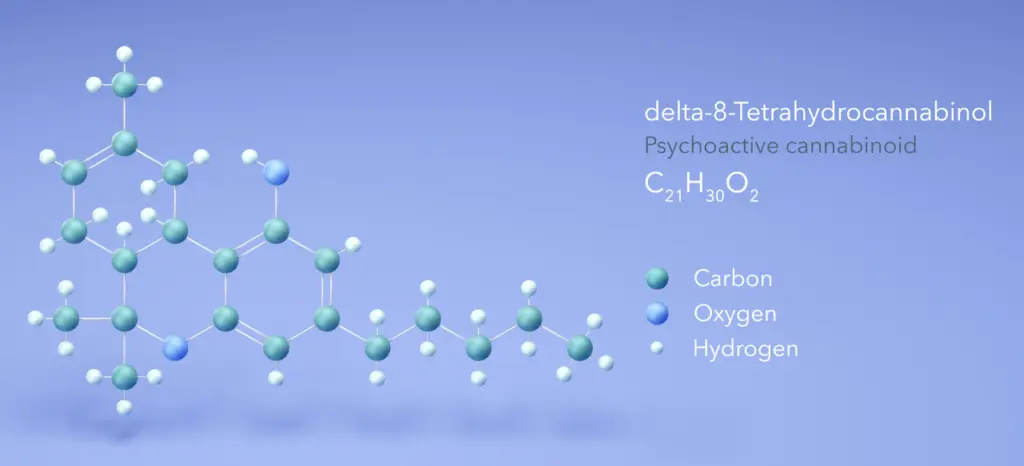
Multiple U.S. cities have seen mass overdose events from contaminated synthetic cannabinoid products. Delta-8-THC and other “hemp-derived” cannabinoids occupy a legal gray area. These are often produced in unregulated facilities. Some are contaminated, and the FDA has warned about accidental pediatric exposures and acute toxicity.
If someone is showing symptoms of severe agitation, seizure, or chest pain after using “synthetic weed”, K2, Spice, or unregulated Delta-8 products, treat it as a medical emergency and call 911.
What to Do If You or Someone Else Experiences a Marijuana Overdose
Most cannabis overdoses can be managed at home with rest, hydration, and time. A few specific situations warrant a call to 911 or a trip to the ER. Knowing the difference helps avoid unnecessary ER visits while ensuring genuine emergencies are not missed. At home, if symptoms are uncomfortable but not severe:
- Find a calm, quiet environment.
- Lie down or sit comfortably. Anxiety often improves with reduced sensory input.
- Hydrate with water or a light electrolyte drink; take small sips if you are nauseated.
- Eat something light if your appetite allows. Some people find that food helps reduce symptoms.
- Remind yourself or the person that this is temporary and will pass.
- Do not drive, do not operate equipment, do not make important decisions until the effects are clear.
Go to the ER or call 911 if any of these symptoms are present:
- Trouble breathing, very slow breathing, or blue-tinged lips
- Chest pain or signs of a possible heart attack
- Seizure or convulsions
- Loss of consciousness, especially if the person cannot be roused
- Severe and persistent vomiting (a hallmark symptom of CHS and a risk for getting vomit in the lungs)
- Hallucinations, severe paranoia, or psychotic symptoms that do not resolve
- A child who has ingested any cannabis product (call Poison Control at 1-800-222-1222 if symptoms are mild and 911 if the child has seizures, poor coordination, trouble breathing, or can’t be roused.)
- Use of a product that may have been laced with another substance, especially fentanyl
Fentanyl-laced marijuana is rare but has been documented. If breathing slows or stops, treat the situation as a possible opioid overdose: Call 911, give naloxone if available, and support breathing. Naloxone is safe even if no opioids are involved.
Call A Treatment Provider
For a conversation about what treatment options are available to you.
Make a Call
800-985-8516Sponsored Helpline
Frequently Asked Questions About Cannabis Overdose
The question of “Can you overdose on weed?” is commonly asked. Documented fatalities from THC alone in adults are exceptionally rare. However, there are a small number of case reports, primarily involving children, edibles, or high-dose exposures. Many of the deaths attributed to cannabis involve injury during intoxication rather than direct toxicity. Synthetic cannabinoids (K2, Spice) are a different category and have caused confirmed fatal overdoses.
Acute cannabis intoxication from smoked or vaporized cannabis usually peaks within an hour and resolves within several hours. Edible overdoses last longer, often 8 to 24 hours, because the drug must first be digested in the stomach and then converted in the liver to a longer-lasting metabolite. Symptoms gradually fade rather than disappearing all at once.
Yes, edibles are the most common cause of adult cannabis overdose because there is a delayed onset between eating the edible and the first symptoms, typically 30 minutes to 2 hours. This increases the risk of taking a second dose. The effects from an edible are also usually more intense and longer lasting than the same dose when it is smoked or vaped, which is why even experienced cannabis users can be caught off guard by edibles.
Call Poison Control immediately at 1-800-222-1222. They can give you specific guidance based on the child’s age, weight, and how much they ate. However, if the child shows trouble breathing, has a seizure, will not wake, or appears very lethargic, call 911 immediately. Be honest with medical providers about cannabis exposure so they do not waste time trying to diagnose the problem.
Recurring nausea and vomiting in a regular cannabis user, especially with abdominal pain, can be cannabis hyperemesis syndrome (CHS). CHS develops after long-term, often daily, cannabis use. The only treatment that consistently resolves CHS is stopping cannabis use. If you are vomiting severely or for more than 24 hours, go to the ER for IV fluids and evaluation.
When Should You Talk About Cannabis Use?
A single bad experience with cannabis usually does not mean someone has a substance use disorder. But repeated overdose experiences, cannabis hyperemesis syndrome, or use that interferes with daily life are signals worth taking seriously.
Cannabis use disorder is a recognized condition in the DSM-5, and treatment options like rehab and behavioral therapy are available. Many insurance plans provide coverage for substance use disorder treatment, including cannabis use disorder.
If you or someone you know would like to learn more about treatment for cannabis use, find a treatment center near you in our treatment directory.
Find Addiction Treatment Centers
Finding facilities near you…