





























































































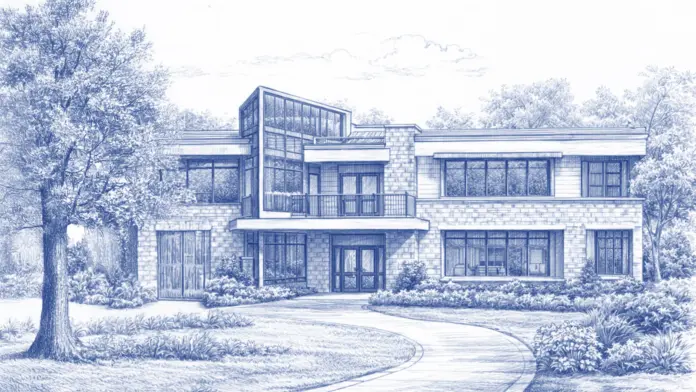


McLean County Center is a very good place to get better. Personally, I'm most grateful to my counselor who has been great with me through my recovery process.
About McLean County Center For Human Services
For urgent emergency crisis intervention, Center staff can respond quickly in person. They also offer phone assistance and walk-in assessments. This service is for any mental health issue. They also have an urgent behavioral health unit available free of charge to adults aged 18 and over. Counselors and peer staff members give an assessment, followed by short term counseling and medication.
The Recovery Program addresses mental health and addiction symptoms. A personalized recovery plan will be created and will include employment training, group counseling, and recovery coaching. While learning how addiction works, you’ll develop recovery skills and a positive self-image. Medical services and psychiatric care are provided on-site.
One unique part of this organization is they offer a recovery community center within this facility called A New Horizon. They offer recovery support groups and sober social events for adults, youths, and families.
For kids who are struggling with trauma, substance abuse, anxiety, anger or sadness, they offer counseling in area schools or the child’s home. While in sessions the kids will explore their emotions and improve their communication.
People who’ve used the services at McLean County Center for Human Services say it’s a great place with a wonderful and caring staff.
Latest Reviews
I am so grateful for such thoughtful providers. I have been in mental health treatment for anxiety and depression since I was 9 years old but never really felt like I’d gained much from therapy and medication. Insurance requirements meant that at 38, I’d be covered if I went to the Center for both my providers (therapy & medication). I am seeing Jodi for medication and Abby for therapy, and both are really great. Jodi listened really well and helped me sort my thoughts because I didn't even know where to begin. She explained to me that I’ve been battling undiagnosed ADHD, and as she explained further, suddenly the last 30 years of my life made much more sense. Treating my ADHD is resolving depression and anxiety, eliminating the need for medications and improving my overall well-being. I can’t be more thankful for them. Abby is the first therapist I’ve gone to who actively helps me challenge myself. Too many therapists just sit and validate without providing much external feedback. Abby does both - she’s validating but honest. Thank you so much!
Very caring and understanding about helping with coping skills .
Reviewed on 11/30/2018
McLean County Center is a very good place to get better. Personally, I'm most grateful to my counselor who has been great with me through my recovery process.

Rehab Score
 Our Methodology
Scoring is assigned by a proprietary system which helps surface key metrics that determine quality. The 10-point scale factors in categories such as operations, customer satisfaction, and trust metrics. Read Full Methodology

5.3 / 10
Location
Other Forms of Payment
Self-pay involves paying for treatment out of your own pocket. You can use savings or credit, get a personal loan, or receive help from family and friends to fund your treatment. If you don't have insurance or your insurance plan doesn't cover a specific program, self-pay can help ensure you still get the care you need.
Medicaid is a state based program that helps lower-income individuals and families pay for healthcare. Medicaid covers addiction treatment so those enrolled can use their coverage to pay for rehab. When a program accepts Medicaid the client often pays very little or nothing out of their own pocket.
Addiction Treatments
Levels of Care
When participating in an inpatient rehab program, you'll reside at the treatment center for the duration of the program. Your housing and meals are provided, allowing you to focus on your recovery without outside triggers, stressors, and other distractions. You'll receive daily addiction counseling, drawing on various psychotherapeutic approaches like cognitive behavioral therapy (CBT) and motivational interviewing. Many inpatient drug rehabs also offer complementary holistic therapies, such as yoga, meditation, or animal therapy, and creative arts therapy.
Loved ones can utilize a drug intervention in Illinois to help with addressing a family member's problematic substance use. The goal of the intervention is to educate the individual about the negative effects of their substance use and encourage them to accept professional treatment. Intervention services can help families initiate this conversation and plan appropriate follow-up care, such as inpatient or outpatient rehab.
Treatments
Mental health rehabs focus on helping individuals recover from mental illnesses like bipolar disorder, clinical depression, anxiety disorders, schizophrenia, and more. Mental health professionals at these facilities are trained to understand and treat mental health issues, both in individual and group settings.
Programs
Adult rehab programs include therapies tailored to each client's specific needs, goals, and recovery progress. They are tailored to the specific challenges adult clients may face, including family and work pressures and commitments. From inpatient and residential treatment to various levels of outpatient services, there are many options available. Some facilities also help adults work through co-occurring conditions, like anxiety, that can accompany addiction.
Young adulthood can be an exciting, yet difficult, time of transition. Individuals in their late teens to mid-20s face unique stressors related to school, jobs, families, and social circles, which can lead to a rise in substance use. Rehab centers with dedicated young adult programs will include activities and amenities that cater to this age group, with an emphasis on specialized counseling, peer socialization, and ongoing aftercare.
Clinical Services
Cognitive Behavioral Therapy (CBT) is a therapy modality that focuses on the relationship between one's thoughts, feelings, and behaviors. It is used to establish and allow for healthy responses to thoughts and feelings (instead of unhealthy responses, like using drugs or alcohol). CBT has been proven effective for recovering addicts of all kinds, and is used to strengthen a patient's own self-awareness and ability to self-regulate. CBT allows individuals to monitor their own emotional state, become more adept at communicating with others, and manage stress without needing to engage in substance abuse.
Group therapy is any therapeutic work that happens in a group (not one-on-one). There are a number of different group therapy modalities, including support groups, experiential therapy, psycho-education, and more. Group therapy involves treatment as well as processing interaction between group members.
In individual therapy, a patient meets one-on-one with a trained psychologist or counselor. Therapy is a pivotal part of effective substance abuse treatment, as it often covers root causes of addiction, including challenges faced by the patient in their social, family, and work/school life.
Nutrition therapy, aka medical nutrition therapy (MNT), is a way of treating physical, emotional, and medical conditions through diet. Specific dietary plans are designed by professional nutritionists or registered dietitians, and patients follow them in order to positively affect their physical and mental health.
Experiential therapy is a form of therapy in which clients are encouraged to surface and work through subconscious issues by engaging in real-time experiences. Experiential therapy departs from traditional talk therapy by involving the body, and having clients engage in activities, movements, and physical and emotional expression. This can involve role-play or using props (which can include other people). Experiential therapy can help people process trauma, memories, and emotion quickly, deeply, and in a lasting fashion, leading to substantial and impactful healing.
Staff
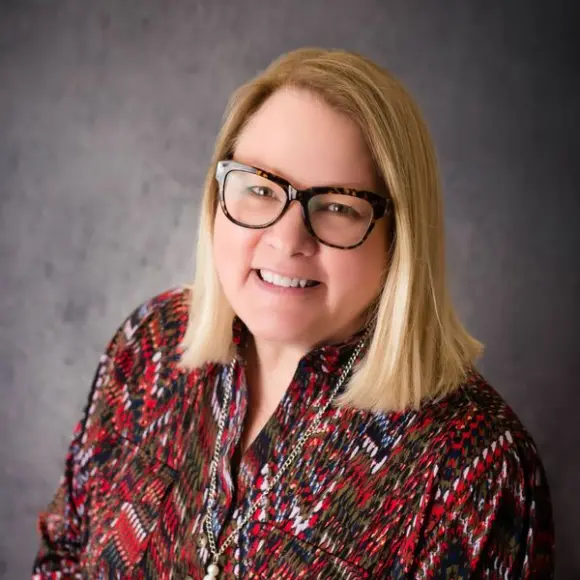
Joan Hartman
CEO
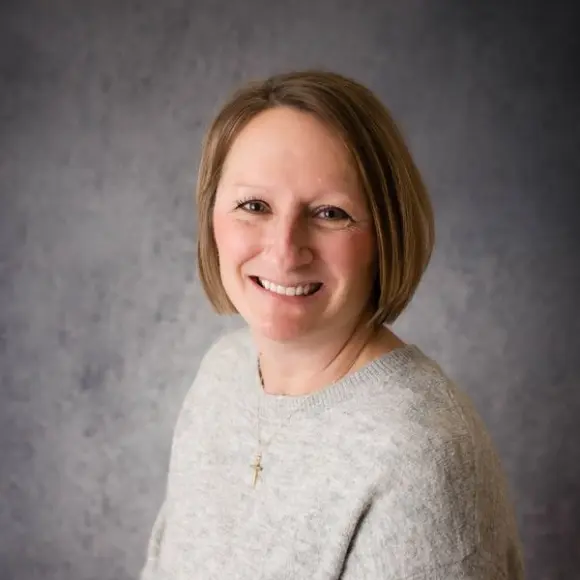
Kim Freymann
Chief Clinical Officer
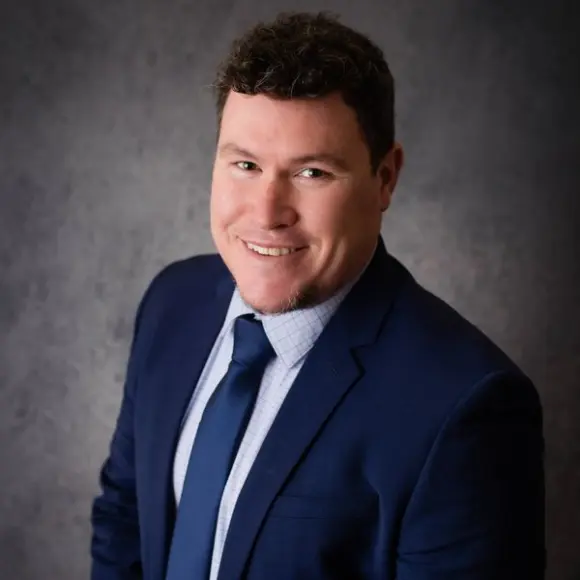
Hank Thornton
CFO & COO
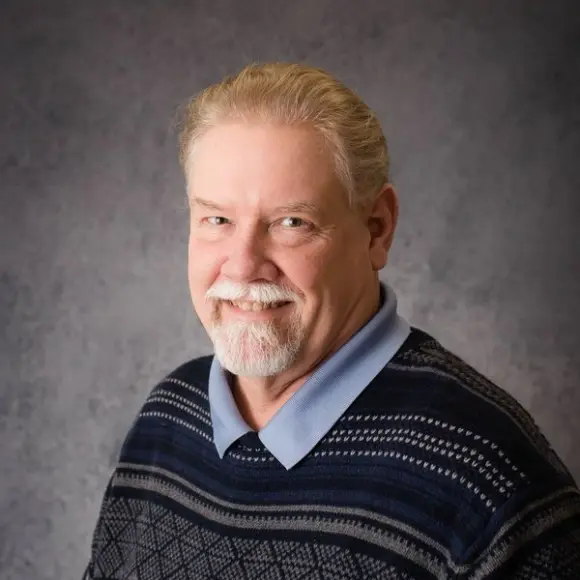
J Stephen DeCremer
Program Manager, Counseling Service
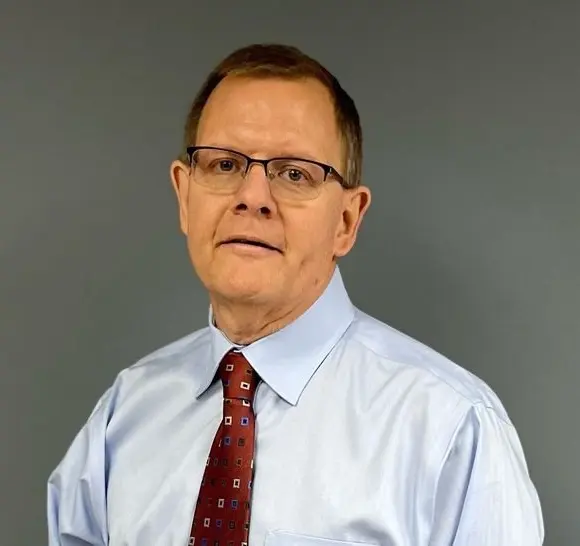
Ben Kissel
Program Manager, Information Services
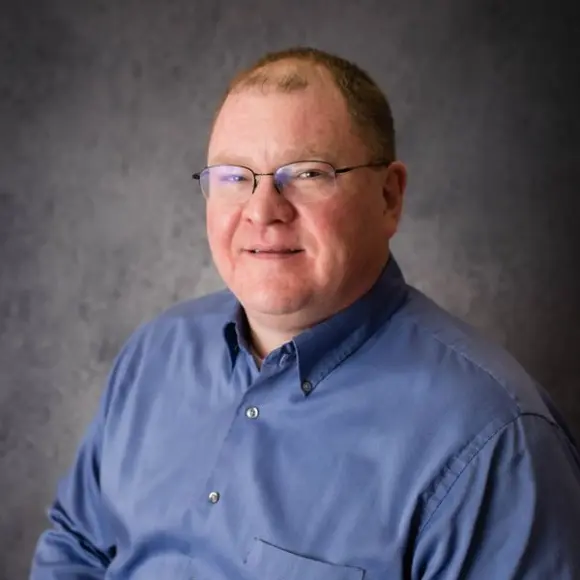
Kevin Mulloy
Program Manager, Compliance
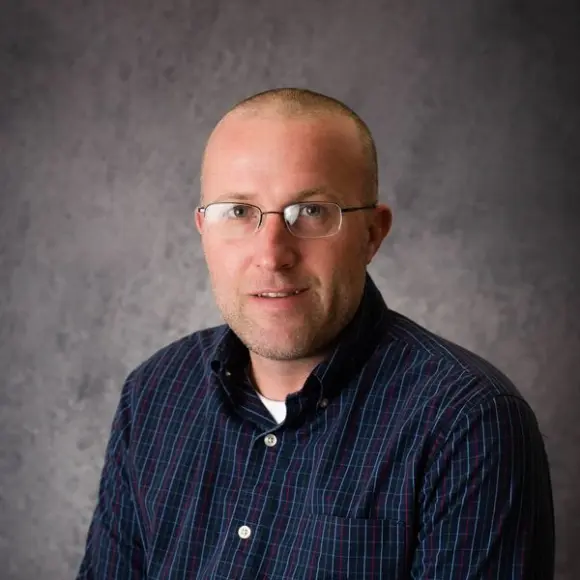
Josh Wheeler
Program Manager, Recovery Program
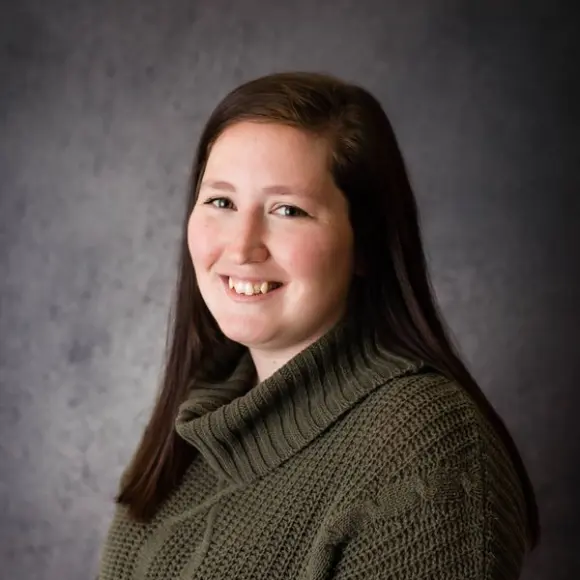
Myranda Whitman
Medical Services Program Manager
Rehab.com regularly reviews this listing for accuracy but changes may occur between updates. For the most up-to-date information, please contact McLean County Center For Human Services.
Contact Information

108 W Market St
Bloomington, IL 61701
Get Help Now - 309-322-3008
Sponsored Helpline
Sponsored Helpline



