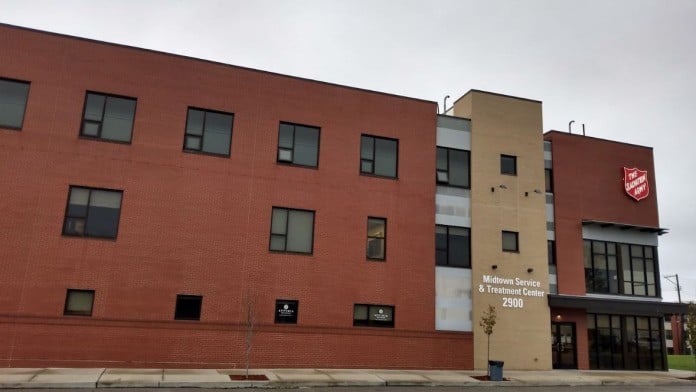
The Salvation Army Midtown Service and Treatment Center
1
Top 10 Rehab Centers In Saint Louis



















































































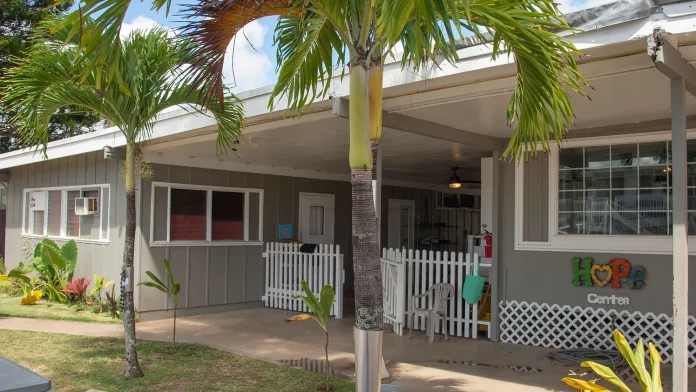
Men’s residential treatment is a five to seven-month program that starts with assessments. The program includes work therapy, scheduled classes, a contract that sets your goals for the program, biblical counseling, GED and work readiness training, and recreational activities.
The women’s and women with children programs last seven to 12 months. The program includes Bible-based addiction counseling, education about the impact of addiction, life skills and parenting training, and relapse prevention.
Aftercare services may include connections to 12-step and other recovery support programs and referrals to community resources such as housing services, education and employment support, and more.
Metro Hope Ministries does not accept insurance. Participants may be referred to additional services that accept private insurance plans such as Cigna, Humana, Blue Cross Blue Shield, Beacon, United Healthcare, and more. Be sure to check with the insurer to verify out of network benefits and other coverage information.

 Our Methodology


Self-pay involves paying for treatment out of your own pocket. You can use savings or credit, get a personal loan, or receive help from family and friends to fund your treatment. If you don't have insurance or your insurance plan doesn't cover a specific program, self-pay can help ensure you still get the care you need.
Residential treatment programs are those that offer housing and meals in addition to substance abuse treatment. Rehab facilities that offer residential treatment allow patients to focus solely on recovery, in an environment totally separate from their lives. Some rehab centers specialize in short-term residential treatment (a few days to a week or two), while others solely provide treatment on a long-term basis (several weeks to months). Some offer both, and tailor treatment to the patient's individual requirements. Linden Oaks' Residential Stay Program offers additional support for those who may benefit from a structured living environment. A patient's stay may vary from a few days to 30 days ago. The program includes group, family and individual counseling.
Outpatient Programs (OP) are for those seeking mental rehab or drug rehab, but who also stay at home every night. The main difference between outpatient treatment (OP) and intensive outpatient treatment (IOP) lies in the amount of hours the patient spends at the facility. Most of the time an outpatient program is designed for someone who has completed an inpatient stay and is looking to continue their growth in recovery. Outpatient is not meant to be the starting point, it is commonly referred to as aftercare.
Completing a drug or alcohol rehab program shouldn't spell the end of substance abuse treatment. Aftercare involves making a sustainable plan for recovery, including ongoing support. This can include sober living arrangements like halfway houses, career counseling, and setting a patient up with community programs like Alcoholics Anonymous (AA) or Narcotics Anonymous (NA).
Sober Living Houses (SLHs), aka sober homes or halfway houses, are safe, substance-free, supportive living facilities for those recovering from substance abuse. Ideal for those who've just been through inpatient or outpatient treatment, SLHs are supervised environments with rules that support sobriety, such as curfews, shared chores, and therapeutic meetings. Residents are also often trained on life skills and coping skills to make it easier to transition into society. SLHs also provide a strong sense of community that can lead to the kind of deep and lasting connections with other sober individuals that supports a new, healthy lifestyle.
12 step programs support long-term recovery through personal growth. Participants are expected to regularly attend 12 step meetings, which are free, anonymous, and accessible 365 days per year in most communities. They are also mentored by self-selected sponsors who help guide them through the steps of recovery, which are rooted in spiritual principles and designed to foster self-awareness, forgiveness, accountability, and acceptance. Religious affiliation is not required and specialized formats, including age and gender specific meetings, are available.
Adult rehab programs include therapies tailored to each client's specific needs, goals, and recovery progress. They are tailored to the specific challenges adult clients may face, including family and work pressures and commitments. From inpatient and residential treatment to various levels of outpatient services, there are many options available. Some facilities also help adults work through co-occurring conditions, like anxiety, that can accompany addiction.
Families in Minnesota use family therapy to understand the roles they play in addiction. Each member plays a role and contributes to a pattern of behavior. Families learn to interact in healthier ways that support each other and contribute to their loved one's journey to recovery.
Qualified therapists in Minnesota offer individual therapy to men and women so they can receive customized care tailored to their needs. Your therapist works to understand your unique circumstances and provide you with targeted interventions and coping skills essential for long term recovery.
People benefit from group therapy sessions that offer them the chance to learn and practice conflict resolution skills with their peers. This helps you recognize your strengths and capabilities, which boosts your self confidence as you work toward overcoming addiction and building a healthier lifestyle.
Couples therapy in Minnesota can help you understand yourself and your partner better and identify the issues causing stress in the relationship. From finances to addiction to children, you'll learn skills to deal with various stressors and strengthen your relationship.
President
Men’s Program Director
Women and Children’s Programs Director
Board President
Vice President
Rehab.com regularly reviews this listing for accuracy but changes may occur between updates. For the most up-to-date information, please contact Metro Hope Ministries.

2739 Cedar Ave
Minneapolis, MN 55407
Sponsored Helpline


Hope changed my life in helping me cope through addiction. It gave me the fortitude to stop TRYING so hard to end up failing and start TRAINING hard to succeed. Now I run to God's grace and he has shown me mercy. Thanks for my brothers at HOPE!

I have called this place many times, they dont answer their phone and when u leave messages, they never call back. they lost my application that was suppose to be given to the director on a Friday... I was suppose to get a call back that following Monday but I had ended up calling them that Thursday. Its been very poor communication on thier part! They are extremely disorganized. Brittany in the office has been rude every time we've spoken with her, which has been 3x cause they never return phone calls!!!! I hope others have better luck!!!!
 Back
Back
Sharing your insights and experiences can help others learn more about this rehab center.
 Written By: Nadia El-Yaouti
M. Ed.
Written By: Nadia El-Yaouti
M. Ed.