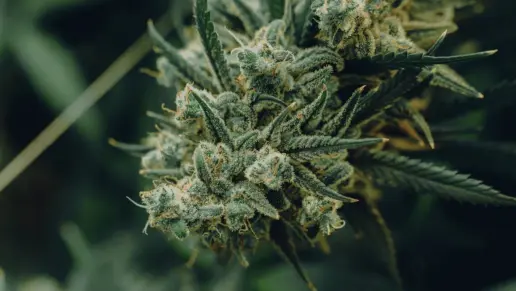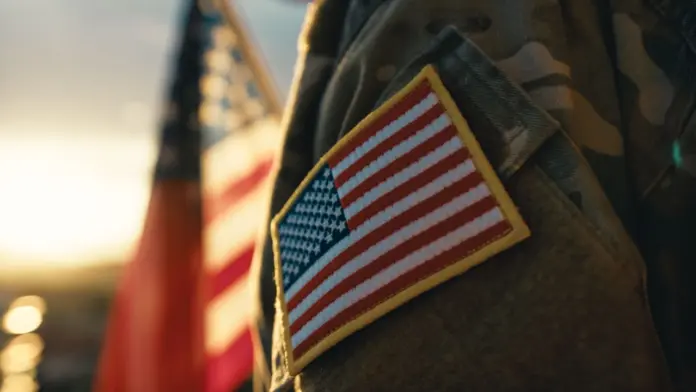
The Defense Department has confirmed that marijuana remains prohibited across the military regardless of what states allow or how the drug is scheduled federally.
The clarification came in a memorandum from Anthony Tata, undersecretary of defense for personnel and readiness, released in early July 2026.
Coverage of the memo by MyMilitaryBenefits describes it as confirming that marijuana remains banned for both service members and civilian defense employees.
Why Rescheduling Did Not Change Military Rules
In April 2026, federal officials moved state-licensed medical marijuana from Schedule I to Schedule III under the Controlled Substances Act.
That shift recognized an accepted medical use at the federal level, and it prompted speculation in some quarters that military policy would follow.
It did not. The Uniform Code of Military Justice prohibits the use, possession, or distribution of marijuana independent of federal scheduling, and Article 112a governs drug offenses across every branch.
Violations can lead to courts-martial, nonjudicial punishment, or administrative discharge. Active duty troops, National Guard members, and reservists are all covered.
Department of Defense civilian employees fall under a separate framework. They are subject to drug-free federal workplace regulations rather than the UCMJ, and executive orders requiring a drug-free federal workforce mean off-duty cannabis use remains prohibited for them as well.
Legal State, Same Consequences
For troops stationed where they can buy cannabis openly, the gap between state and federal authority creates real exposure.
Base leaders regularly remind personnel that state jurisdiction stops at the installation gate, and service members can be searched, drug tested, or detained for arriving on base with marijuana or under its influence.
Discipline is not limited to consumption. Visiting a dispensary can itself trigger disciplinary measures, because commanders frequently place dispensaries on lists of establishments that are off limits to military personnel. Violations can also put a security clearance at risk.
The memo carves out a narrow exception for pharmaceutical products approved by the Food and Drug Administration and accompanied by a prescription. Medical marijuana sold at a dispensary does not qualify, and holding a state medical card does not change that.
CBD and Hemp Products Are Covered Too
The prohibition extends further than many people expect. Hemp-derived cannabidiol products may be legal under federal law, but the Department of Defense bans troops from using them anyway.
Trace amounts of THC in over-the-counter hemp goods can produce a positive result on a drug screen, and the fact that a product remains otherwise legal has not functioned as a successful defense.
The department has previously barred service members from using legal, non-marijuana products on the same readiness grounds, and it has signaled no plans to revisit its zero-tolerance framework unless Congress compels a change.
What This Means for Addiction Treatment Seekers
The most consequential detail for anyone weighing care is this: military medical officers cannot recommend state-level medical marijuana or even discuss it as a treatment option.
Service members managing chronic pain, PTSD, or anxiety disorder therefore need to pursue paths their clinicians can actually support, which means conventional pain management, trauma-focused therapy, and evidence-based mental health treatment rather than cannabis.
That matters for a second reason. When someone has been using marijuana to manage an untreated condition, removing it without addressing what sits underneath tends to go poorly.
Clinicians can treat cannabis use disorder, and integrated care that handles a substance use problem alongside a co-occurring mental health condition generally produces better results than treating either one alone.
Enlistment policy has moved in a different direction than service policy. The Army updated its rules in 2026 to allow applicants with a past marijuana conviction to enlist without a waiver. Once active service begins, though, zero-tolerance standards apply in full.
Finding the Right Rehab
If you or a family member is serving and facing a marijuana or other substance use problem, a few steps help clarify options:
- Ask whether a program has experience with military and veteran clients, including how it handles command notification and confidentiality
- Verify what TRICARE covers and whether the facility is in network, and confirm insurance coverage for rehab before admission
- Look for programs offering integrated treatment for co-occurring PTSD, depression, or chronic pain rather than substance use alone
- Confirm accreditation and clinical credentials, and compare levels of care against the severity of the problem
Rehab.com’s directory of verified treatment centers lets you compare programs by location, level of care, insurance accepted, and specialty tracks, including facilities that work with active duty service members and veterans. Call
800-985-8516
(  Sponsored Helpline )
to learn more about your treatment options today.
Sponsored Helpline )
to learn more about your treatment options today.