


























































































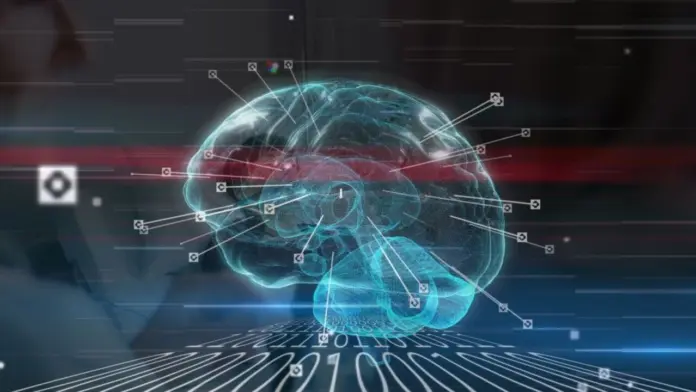
Research scientist Sandra Klonteig says neurotechnology could change that by reading the brain’s response to care before symptoms budge, giving doctors a faster way to diagnose disorders and match patients to the right treatment.
One Billion People Need Faster Answers
The World Health Organization reports that more than 1 billion people currently live with mental health disorders, with anxiety and depression the most common conditions.
Klonteig, who works at SINTEF Digital and took up the field during her doctoral studies at OsloMet, researches how sensors can measure and better understand the brain.
She notes that brain injuries and diseases collectively represent one of the leading causes of health problems in Norway, where she is based.
Reading the Brain Without Surgery
Much of the work relies on noninvasive tools. EEG headsets detect the brain’s electrical impulses, fNIRS sensors track blood flow to show which brain regions are active and consuming energy, and fMRI maps activity through changes in cerebral blood flow.
Eye-tracking adds another window by recording where a person’s attention lands, which researchers use to study attentional bias, the tendency to lock onto the negative parts of a situation.
Klonteig offers a simple picture of the concept. After watching a scary movie, one person walking through the woods sees threats in the shadows while another notices light coming through the trees.
Over time, she says, those interpretations can reinforce a negative spiral that feeds depression. Researchers also measure abnormalities in the brain’s functional networks, the patterns that show how regions communicate during thinking and feeling.
“It isn’t realistic to perform invasive brain procedures on every patient, so using solutions like sensor-equipped headgear, so-called noninvasive technologies, is more practical,” Klonteig said. “This is one of the areas we’re currently focusing on at SINTEF.”
Knowing Sooner Whether Treatment Works
Klonteig describes a dream scenario that captures the goal of this research. A patient visits a doctor because something feels wrong, and brain examinations point to a specific treatment likely to work well for that person.
Two weeks later, the patient returns, feeling no better and unsure whether the treatment is working, yet the doctor can see the brain is already changing even though symptoms have not caught up.
The reverse carries just as much value. Testing might show that a treatment is not producing the desired effect, telling the doctor it is time to try something else instead of riding out months of frustration.
Either answer beats the current reality, in which patients and providers can wait weeks or months for clarity before changing course.
Mental Health Treatment Without the Long Wait
“But to reach that point, we first need to understand the brain mechanisms underlying mental disorders,” Klonteig said. “These are the mechanisms that researchers are now trying to measure.”
That work is underway. Researchers are examining brain activity patterns in people living with depression and anxiety, pairing sensor readings with behavioral and psychological measurements and combining several technologies as the field evolves rapidly.
For anyone weighing mental health treatment today, the trajectory is encouraging, because care decisions are moving toward measurable evidence and away from guesswork, which could shorten the road from a first appointment to a plan that actually helps.
From Brain Chips to Stem Cells
Other teams push the hardware further. Researchers are testing tiny chips implanted in the brains of mice, placing nerve cells on laboratory chips to watch how they react to experimental drugs, and growing specific nerve cells from stem cells so they can study brain tissue without extracting cells from a living brain.
Artificial intelligence trained on MRI scans can flag abnormalities such as signs of a brain tumor, often faster than a human reviewer working alone.
Klonteig points out that neurotechnology and AI were once tied to science fiction films like The Matrix and Minority Report, and she says many of these technologies are no longer pure fantasy.
What This Means for Treatment Seekers
Objective brain measures remain research tools rather than something to expect at a local clinic. Even so, the direction matters for anyone comparing treatment options now.
Programs that measure progress and adjust care when a first approach fails already follow the logic this research supports.
That is especially relevant for people with co-occurring disorders, where addiction and mental health conditions interact and trial and error costs the most.
When you evaluate rehab centers, ask how they track response to treatment and how quickly they change course when a plan is not working.
Exploring Treatment Options
If you are weighing mental health treatment or addiction treatment for yourself or someone close to you, start by comparing rehab centers on the therapies they offer and the way they monitor progress.
Look for evidence-based care, verify facility credentials and treatment approaches, and ask how plans adapt over time. The Rehab.com directory lets you compare verified treatment centers by location and specialty, so you can find a program built around your needs. You can speak with a treatment specialist today by calling
800-985-8516
(  Sponsored Helpline )
.