






























































































One of the best places to go pretty expensive but they will work with you the best they can this place has saved my life
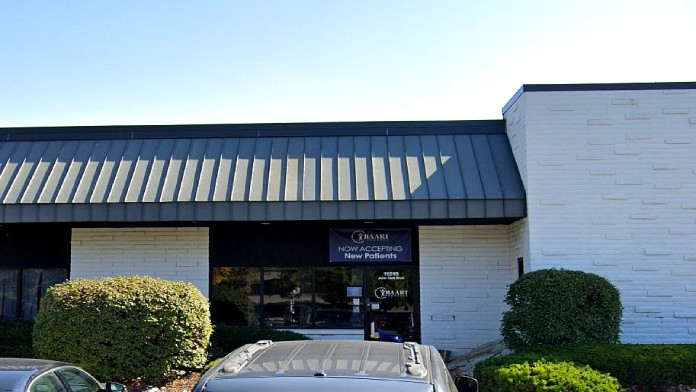
About Omaha Treatment Center
The outpatient program allows clients to continue living at home while receiving treatment. They travel to the facility on a regular schedule to meet with their care team, undergo assessments, and participate in treatment. Since outpatient care is less restrictive than a residential program, it’s best suited for clients with mild symptoms or transitioning out of a higher level of care.
BAART offers individual and group outpatient counseling, with different approaches based on client needs. Counseling helps clients to understand the nature of addiction, how to better regulate one’s emotions and change negative thinking that can lead to relapse, sharpen communication skills, and develop coping and life skills supportive of long term recovery.
The symptoms of opioid addiction and withdrawal are very strong, creating a high risk for relapse and a barrier to successful treatment and recovery. MAT can reduce or eliminate these symptoms by prescribing clients medication approved by the FDA, like Buprenorphine and methadone. MAT is paired with outpatient counseling services, and clients in MAT are often more receptive to treatment.
The personal care team closely monitors MAT to ensure the correct dosage and observe side effects. Clients undergo regular assessments to determine the success and viability of MAT so changes can be made as necessary. Before being accepted into the program, clients undergo a comprehensive physical and mental health assessment to determine eligibility for MAT services.
Latest Reviews
I was at my last time I almost from prescribed by a well known Dr in iowa who caused me to go from fentanyl to heroin and now I'm in recovery . I was prescribed very amount of oxys to get off fentanyl 100 mch patch every other . I convised the Dr my body absorbed it faster then a normal person and that happens to 1 in 200 people would absorb fentanyl faster then then normal the agreed I was to changing every 48 instead of 72 hrs . when I came into baart I was trying to put it off but I couldn't after my last dose of oxys then I had no choice or be deathly ill ask I went into baaet after iso I called the counselor and said I need to make it in the thing scared me was I just using heroin and the only reason I used it was cause to the withdrawal from fentanyl was that seeks out heroin cause there stronger then fentanyl. shows that a person who would do drugs like that unless phacuidicanlg
Response from the owner3 weeks ago
Thank you for taking time to share this with us, we will pass your feedback along to the facility for review.
This program saved my life beyond thankful for the staff
Response from the owner3 weeks ago
Thank you so much for your kind words! We work hard to meet expectations like yours, and we’re happy to hear we hit the mark for you.
I’ve been a patient here since 2016. My life is completely different and will continue to be thanks to the offering of medication assisted sobriety. The number one priority is you communicate with your counselor and the Doctor. Once you reach the dose your body needs the real changes begin. No more will you have to just get through the day because you’re sick or spend your entire paycheck to try and get enough to get through another week. The staff is made up of angels. Everyone is there to help us get better and live better. If you’re sick of being sick give the program a try. They only requirements are the desire for a better life and to stop abusing.
Response from the owner3 weeks ago
Thank you so much for your kind words! We work hard to meet expectations like yours, and we’re happy to hear we hit the mark for you. 
Rehab Score
 Our Methodology
Scoring is assigned by a proprietary system which helps surface key metrics that determine quality. The 10-point scale factors in categories such as operations, customer satisfaction, and trust metrics. Read Full Methodology

7.5 / 10
Gallery
Other Forms of Payment
Self-pay involves paying for treatment out of your own pocket. You can use savings or credit, get a personal loan, or receive help from family and friends to fund your treatment. If you don't have insurance or your insurance plan doesn't cover a specific program, self-pay can help ensure you still get the care you need.
Medicare is a federal program that provides health insurance for those 65 and older. It also serves people under 65 with chronic and disabling health challenges. To use Medicare for addiction treatment you need to find a program that accepts Medicare and is in network with your plan. Out of pocket costs and preauthorization requirements vary, so always check with your provider.
Addiction Treatments
Levels of Care
Outpatient Programs (OP) are for those seeking mental rehab or drug rehab, but who also stay at home every night. The main difference between outpatient treatment (OP) and intensive outpatient treatment (IOP) lies in the amount of hours the patient spends at the facility. Most of the time an outpatient program is designed for someone who has completed an inpatient stay and is looking to continue their growth in recovery. Outpatient is not meant to be the starting point, it is commonly referred to as aftercare.
Drug and alcohol addiction often takes a heavy toll on one's body. Over time, a physical dependence can develop, meaning the body physiologically needs the substance to function. Detox is the process of removing drugs and/or alcohol from the body, a process that can be lethal if mismanaged. Medical detox is done by licensed medical professionals who monitor vital signs and keep you safe, healthy, and as comfortable as possible as you go through detox and withdrawal.
Treatments
The goal of treatment for alcoholism is abstinence. Those with poor social support, poor motivation, or psychiatric disorders tend to relapse within a few years of treatment. For these people, success is measured by longer periods of abstinence, reduced use of alcohol, better health, and improved social functioning. Recovery and Maintenance are usually based on 12 step programs and AA meetings.
During drug rehab in Nebraska, you'll participate in therapies that address the many issues that contribute to addiction. Treatment includes physical, mental, emotional, and relational aspects. These methods provide the tools you need to achieve long-term recovery.
Opioid rehabs specialize in supporting those recovering from opioid addiction. They treat those suffering from addiction to illegal opioids like heroin, as well as prescription drugs like oxycodone. These centers typically combine both physical as well as mental and emotional support to help stop addiction. Physical support often includes medical detox and subsequent medical support (including medication), and mental support includes in-depth therapy to address the underlying causes of addiction.
Substance rehabs focus on helping individuals recover from substance abuse, including alcohol and drug addiction (both illegal and prescription drugs). They often include the opportunity to engage in both individual as well as group therapy.
Programs
Adult rehab programs include therapies tailored to each client's specific needs, goals, and recovery progress. They are tailored to the specific challenges adult clients may face, including family and work pressures and commitments. From inpatient and residential treatment to various levels of outpatient services, there are many options available. Some facilities also help adults work through co-occurring conditions, like anxiety, that can accompany addiction.
Young adulthood can be an exciting, yet difficult, time of transition. Individuals in their late teens to mid-20s face unique stressors related to school, jobs, families, and social circles, which can lead to a rise in substance use. Rehab centers with dedicated young adult programs will include activities and amenities that cater to this age group, with an emphasis on specialized counseling, peer socialization, and ongoing aftercare.
Clinical Services
Group therapy is any therapeutic work that happens in a group (not one-on-one). There are a number of different group therapy modalities, including support groups, experiential therapy, psycho-education, and more. Group therapy involves treatment as well as processing interaction between group members.
Staff & Accreditations
Staff
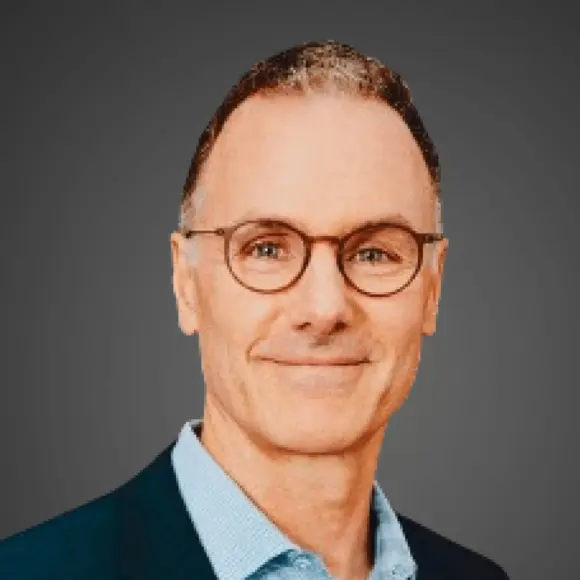
Bruce Jarvie
CFO
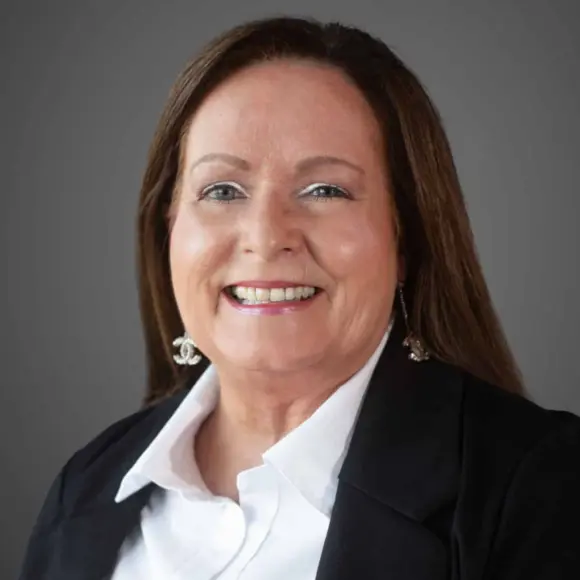
Cindy Novak
Senior VP of Human Resources
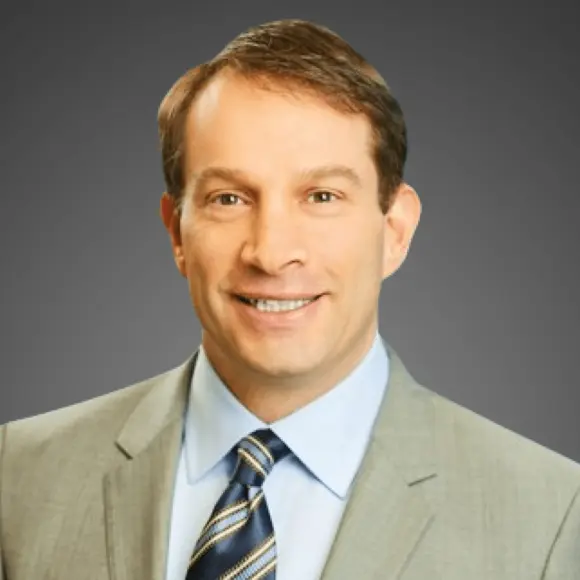
Jason Kletter, PhD
President
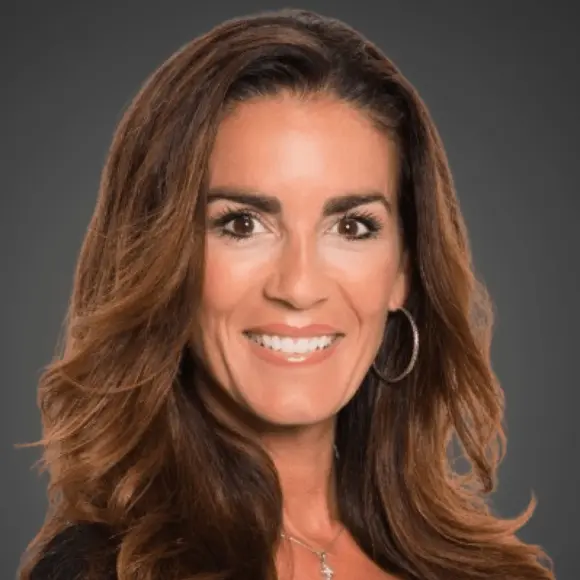
Libby Rohlfing
Senior VP of Payer Relations & Contracting
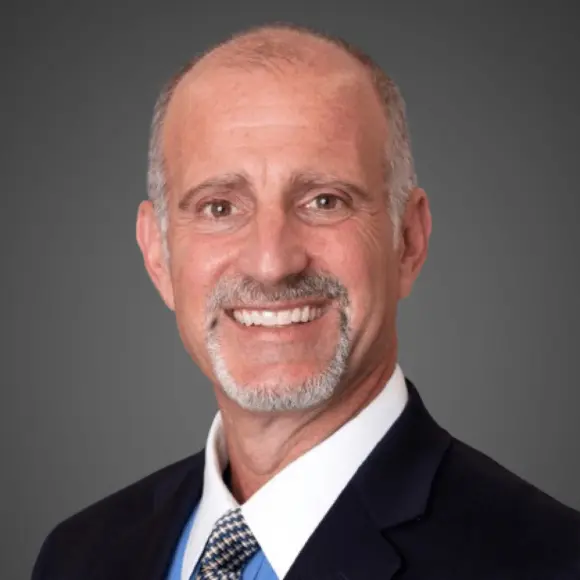
Marshal Salomon
CEO
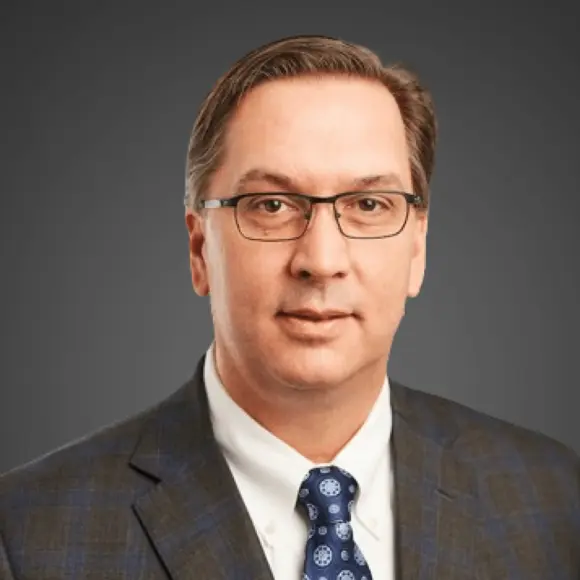
Michael Minks
CIO
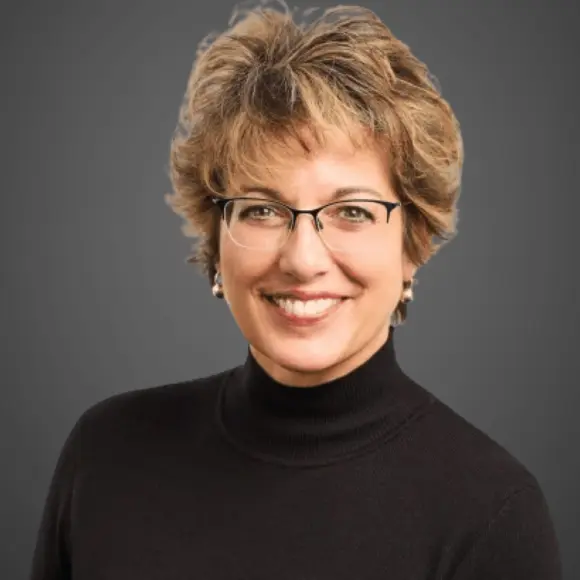
Robin Johnson
Senior VP of Marketing & Business Development
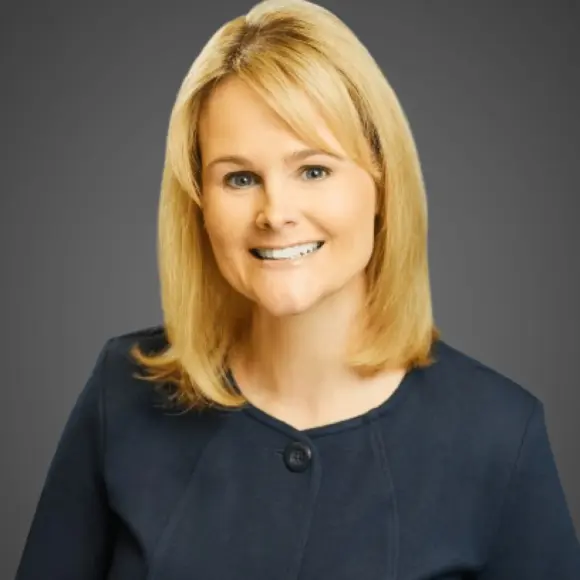
Susan Meyercord
Chief Compliance Officer & General Counsel
Accreditations

The Commission on Accreditation of Rehabilitation Facilities (CARF) is a non-profit organization that specifically accredits rehab organizations. Founded in 1966, CARF's, mission is to help service providers like rehab facilities maintain high standards of care.
CARF Accreditation: Yes
Accreditation Number: 215276
Rehab.com regularly reviews this listing for accuracy but changes may occur between updates. For the most up-to-date information, please contact Omaha Treatment Center.
Contact Information

11215 John Galt Boulevard
Omaha, NE 68137
Get Help Now - 402-230-7969
Sponsored Helpline
Sponsored Helpline


