






























































































Thanks everyone at recovery unplugged yall are amazing and are family too me thanks for all yall did for me I miss yall already glad I went too yall for my care this gonna be my only time but if it wasn't I knw where I would be going too yall are amazing can't wait too see y ...
About Recovery Unplugged Nashville Drug & Alcohol Rehab
Here at one of Tennessee’s top-rated inpatient rehabs, medical detox is a first step for many people suffering from substance use disorders. It’s a gentle way for you to safely stop using drugs or alcohol. You’ll have a team of experienced medical professionals to help you manage withdrawal before you transition to residential treatment.
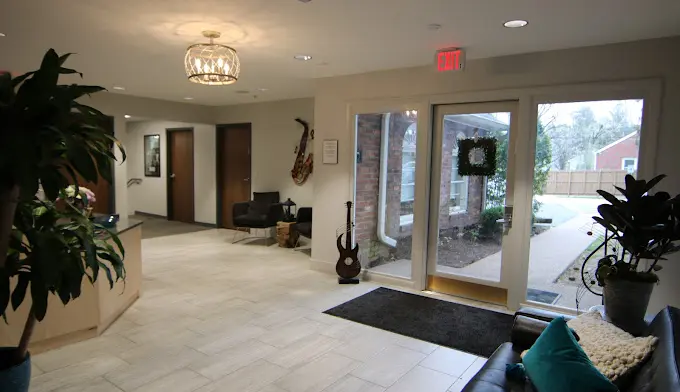
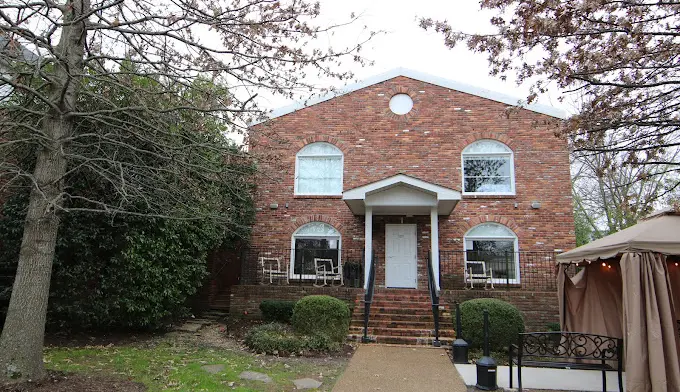
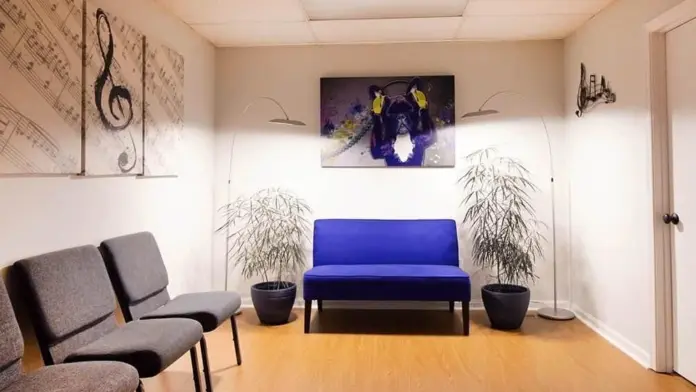
Residential treatment can really work well for people who’ve tried other options and found themselves struggling again. You’ll stay in a beautiful, spacious semi-private room. You can even bring your pet! For people who need a little extra privacy, they offer a VIP suite. A professional chef prepares all your meals. When you need some solitude, the Zen room is the perfect chill spot.
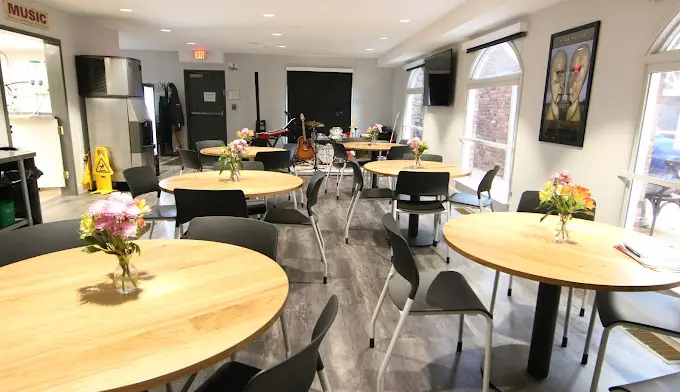
They combine traditional evidence-based treatments like cognitive behavioral therapy (CBT) with more advanced treatment options like dialectical behavior therapy (DBT), transcranial magnetic stimulation (TMS), and Ketamine therapy. Unlike other substance use treatment programs that offer music therapy, Recovery Unplugged weaves music into every aspect of care. They’re proud of the fact that they’re the first and only behavioral health organization to fully incorporate music in rehab. And you don’t have to be a musician to enjoy time spent creating music in the Jam room.
Once you finish residential treatment, they make it easy to get the support you need through their virtual intensive outpatient program (IOP). You can access treatment whenever it works for you. That includes daytime, nighttime or even on the weekends.
If you’d like a warm, music-infused approach to addiction recovery, you may want to consider Recovery Unplugged. They offer flexible treatment options and a supportive environment to help you find your path to healing.
Facility Overview
 31-50
31-50 Number of Available Beds
 15 - 30
 Avg Length of Stay in Days
 $920
$920 Avg Cost per Day
Latest Reviews
This place helped me save my own life. I couldn’t recommend a company more.. especially in a dire situation. They are family.
What an amazing place to save your life!
Help my family out wonders!

Rehab Score
 Our Methodology
Scoring is assigned by a proprietary system which helps surface key metrics that determine quality. The 10-point scale factors in categories such as operations, customer satisfaction, and trust metrics. Read Full Methodology

9.6 / 10
Gallery

Accepted Insurance

Scott & White Health Plan
Optima Health
Oxford Health Plans
Other Forms of Payment
Private insurance refers to any kind of healthcare coverage that isn't from the state or federal government. This includes individual and family plans offered by an employer or purchased from the Insurance Marketplace. Every plan will have different requirements and out of pocket costs so be sure to get the full details before you start treatment.
Self-pay involves paying for treatment out of your own pocket. You can use savings or credit, get a personal loan, or receive help from family and friends to fund your treatment. If you don't have insurance or your insurance plan doesn't cover a specific program, self-pay can help ensure you still get the care you need.
Medicare is a federal program that provides health insurance for those 65 and older. It also serves people under 65 with chronic and disabling health challenges. To use Medicare for addiction treatment you need to find a program that accepts Medicare and is in network with your plan. Out of pocket costs and preauthorization requirements vary, so always check with your provider.
Medicaid is a state based program that helps lower-income individuals and families pay for healthcare. Medicaid covers addiction treatment so those enrolled can use their coverage to pay for rehab. When a program accepts Medicaid the client often pays very little or nothing out of their own pocket.
Military members, veterans, and eligible dependents have access to specific insurance programs that help them get the care they need. TRICARE and VA insurance can help you access low cost or no cost addiction and mental health treatment. Programs that accept military insurance often have targeted treatment focused on the unique challenges military members, veterans, and their families face.
Addiction Treatments
Levels of Care
Outpatient rehabs enable clients to receive care without leaving their home, workplace, and community. Clients typically receive intensive addiction counseling, including individual, group, and family therapy. Many programs promote clients' long-term sobriety through recovery-focused life skills training and ancillary services, such as peer coaching. Medication assisted treatment (MAT), including medication induction and maintenance, are common in outpatient care. Most facilities offer multiple levels of care to accommodate clients' evolving needs, including intensive outpatient (IOP) and standard outpatient programming.
Residential treatment programs are those that offer housing and meals in addition to substance abuse treatment. Rehab facilities that offer residential treatment allow patients to focus solely on recovery, in an environment totally separate from their lives. Some rehab centers specialize in short-term residential treatment (a few days to a week or two), while others solely provide treatment on a long-term basis (several weeks to months). Some offer both, and tailor treatment to the patient's individual requirements.
Clients in intensive outpatient programs (IOP) receive robust, personalized care to support their reintegration into their community. Clients stepping down from inpatient treatment frequently enroll in IOP before entering standard outpatient care or community-based recovery programs, such as AA. Intensive outpatient treatment generally involves between nine and 20 therapeutic hours weekly, with the frequency and duration of sessions decreasing as clients stabilize. IOP services commonly include counseling, recovery education, holistic therapies, and medication assisted treatment (MAT).
When enrolld in an addiction recovery program that's based on the 12 step model, clients are able to cultivate recovery-focused life skills emphasizing spiritual, mental, and emotional healing. Participants receive intensive peer support in 12 step meetings, which are anonymous, free, open to the public, and available day and night in most communities. Self-selected sponsors guide sponsees through the recovery journey, cultivating self-awareness, forgiveness, acceptance, and accountability. Though these programs are rooted in spiritual principles, participants aren't required to be religiously affiliated.
Drug and alcohol addiction often takes a heavy toll on one's body. Over time, a physical dependence can develop, meaning the body physiologically needs the substance to function. Detox is the process of removing drugs and/or alcohol from the body, a process that can be lethal if mismanaged. Medical detox is done by licensed medical professionals who monitor vital signs and keep you safe, healthy, and as comfortable as possible as you go through detox and withdrawal. The length of stay at the detoxification program is determined according to the specific needs of the patient.
A partial hospitalization program (PHP) is an intensive outpatient option for those with moderate to severe addictions, allowing you to return home at the end of the day. It can be an alternative to hospitalization or used as a step-down option. PHP treatment requires a minimum of 20 hours of treatment per week for an average of 90 days. Depending on your needs, PHP treatment includes relapse prevention, medication management, and behavioral therapy services. PHP treatment is often covered by providers.
Treatments
Substance rehabs focus on helping individuals recover from substance abuse, including alcohol and drug addiction (both illegal and prescription drugs). They often include the opportunity to engage in both individual as well as group therapy.
Alcohol use disorder (AUD) is a treatable condition characterized by uncontrolled consumption of alcohol which continues despite negative consequences. Treatment options for alcohol addiction include inpatient or outpatient alcohol rehab in Tennessee. Therapeutic methods include group and individual therapy, medication, and holistic therapies. Aftercare is often provided through 12-step support groups, which offer ongoing accountability and encouragement.
When your day-to-day life is taken over by drug use, this is known as substance use disorder. If you abruptly stop using your drug of choice, you experience withdrawal symptoms. To overcome this cycle, professional drug rehab in Tennessee is usually needed.
In Tennessee, dual-diagnosis addiction treatment programs provide integrated care for individuals with co-occurring substance use disorders and mental health conditions. Offered on an outpatient or inpatient basis, addiction experts utilize evidence-based therapies, such as cognitive-behavioral therapy (CBT), dialectical behavior therapy (DBT), together with recovery and skills groups, to address both disorders and promote mental health. You'll also receive comprehensive aftercare planning and relapse prevention training.
Programs
Adult rehab programs include therapies tailored to each client's specific needs, goals, and recovery progress. They are tailored to the specific challenges adult clients may face, including family and work pressures and commitments. From inpatient and residential treatment to various levels of outpatient services, there are many options available. Some facilities also help adults work through co-occurring conditions, like anxiety, that can accompany addiction.
Clinical Services
Group therapy is any therapeutic work that happens in a group (not one-on-one). There are a number of different group therapy modalities, including support groups, experiential therapy, psycho-education, and more. Group therapy involves treatment as well as processing interaction between group members.
In individual therapy, a patient meets one-on-one with a trained psychologist or counselor. Therapy is a pivotal part of effective substance abuse treatment, as it often covers root causes of addiction, including challenges faced by the patient in their social, family, and work/school life.
If you participate in motivational interviewing in Tennessee, your therapist will focus on four key strategies: open questions, affirmation, reflections, and summarizing. Rather than confront or warn you to change, the clinician will allow you to explore your own motivations and decide what changes you may need to make in your life.
While engaged in couples therapy in Tennessee, you'll learn how to trust, communicate, forgive, and manage emotions. Developing these skills can be beneficial at any time during the relationship, but they are particularly crucial when facing life challenges.
Family therapy uses a structured environment to address the complexities of addiction and the negative influences it has on the family unit. Therapists work with family members to develop effective coping and communication strategies that support their loved one's recovery while also focusing on the health and well being of each family member.
Life skills training teaches you how to cope with challenging situations in non destructive ways. This crucial piece of drug rehab in Tennessee gives you tools for decision making, relationship building, and self care.
Recreational therapy supports addiction recovery by giving you structured activities that promote physical and mental health. These help build a supportive network of your peers that promotes sobriety. Activities can include sports, creative arts, and outdoor adventures that help you reduce cravings, manage stress, and give you an emotional outlet.
Creativity is inherently healing, and can help those in recovery express thoughts or feelings they might not otherwise be able to. Creative arts therapy can include music, poetry/writing, painting, sculpting, dance, theater, sandplay, and more. Unlike traditional art, the final product matters far less than the experience of creation and expression itself.
A wide range of therapeutic methods fall under the category of experiential therapy. Examples include drama therapy, animal assisted therapy, wilderness therapy, music therapy, and martial arts. Each of these offers an experience that allows the individual to express themselves and work through their emotions and experiences.
Typical cognitive behavioral therapy in Tennessee involves recognizing negative thinking and learning techniques to change that thinking and create new, positive behaviors. Strategies may include SMART goals, journaling, and situation exposure.
Counseling in Tennessee that takes a dialectical behavior therapy approach can last from six to 12 months. During that time, you'll develop skills in the areas of distress tolerance, mindfulness, emotional regulation, and interpersonal effectiveness.
Amenities
-
 Yoga Studio
 -
 Residential Setting
 -
 Private Rooms
Staff & Accreditations
Staff
Rachel Jackson
Chief Operations Officer
Barry Reiman
VP of Business Development
Ashley Armstrong
National Director of Alumni
Diana Johnson
Director of Nursing
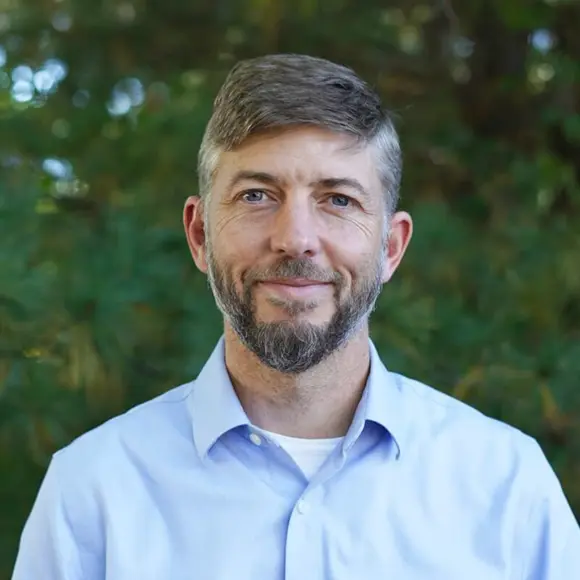
Dr. Michael Ferri
Medical Director
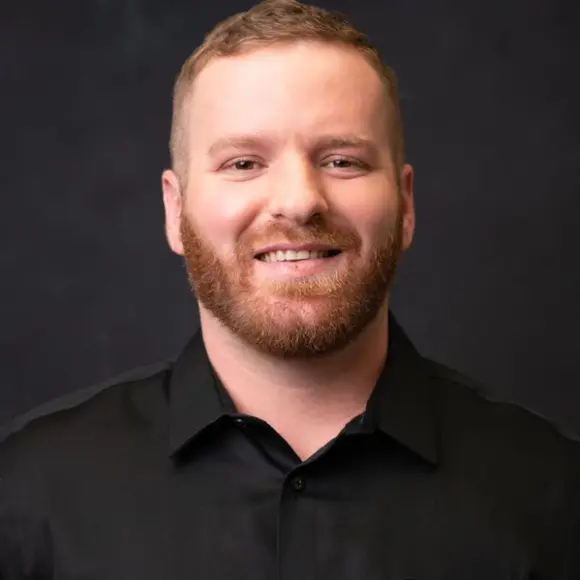
Ian Jackson
Clinical Director
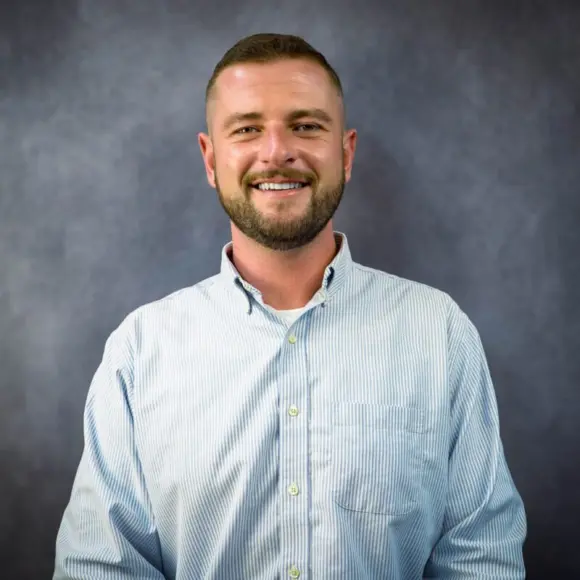
Patrick Rosenthal
Executive Director
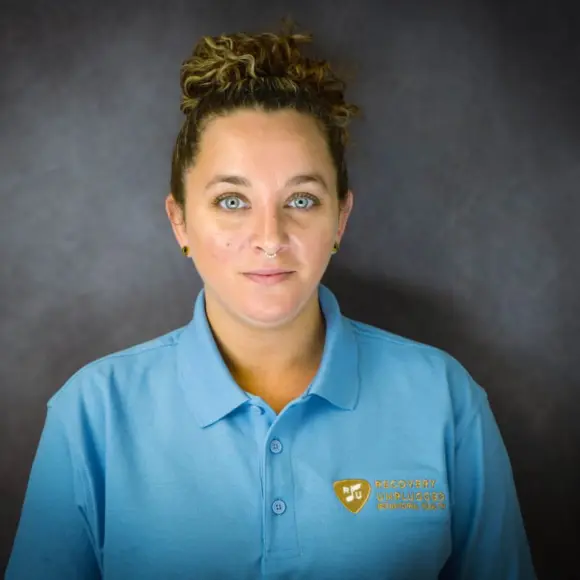
Teagan Tennyson
Lead Alumni Coordinator
Accreditations

LegitScript has reviewed Recovery Unplugged Nashville Drug & Alcohol Rehab as part of their certification program, and has determined that it meets the LegitScript standards for legality, safety and transparency.
LegitScript verified in August 2021

The Joint Commission, formerly known as JCAHO, is a nonprofit organization that accredits rehab organizations and programs. Founded in 1951, the Joint Commision's mission is to improve the quality of patient care and demonstrating the quality of patient care.
Joint Commission Accreditation: Yes

The Commission on Accreditation of Rehabilitation Facilities (CARF) is a non-profit organization that specifically accredits rehab organizations. Founded in 1966, CARF's, mission is to help service providers like rehab facilities maintain high standards of care.
CARF Accreditation: Yes

The National Association of Addiction Treatment Providers (NAATP) is a professional association that represents organizations in the field of addiction services. Founded in 1978, NAATP's mission is to advance addiction services and ensure that high-quality addiction treatment is available and accessible.
NAATP Member: Yes

The Substance Abuse and Mental Health Services Administration (SAMHSA) is a branch of the U.S. Department of Health and Human Services. Established in 1992 by congress, SAMHSA's mission is to reduce the impact of substance abuse and mental illness on American's communities.
SAMHSA Listed: Yes
Rehab.com regularly reviews this listing for accuracy but changes may occur between updates. For the most up-to-date information, please contact Recovery Unplugged Nashville Drug & Alcohol Rehab.
Contact Information

255 Wilson Pike Cir
Brentwood, TN 37027
Get Help Now - 615-437-0407
Sponsored Helpline
Sponsored Helpline


