

































































































This facility caused me to have a nervous breakdown down due to the fact I cried out for begging for therapy I didn't recieve.I would never recommend to any person in need.Nobody cared enough to help they only tried to cover their assess after I spoke up and advocated for m ...
About ReCreate Behavioral Health of Ohio
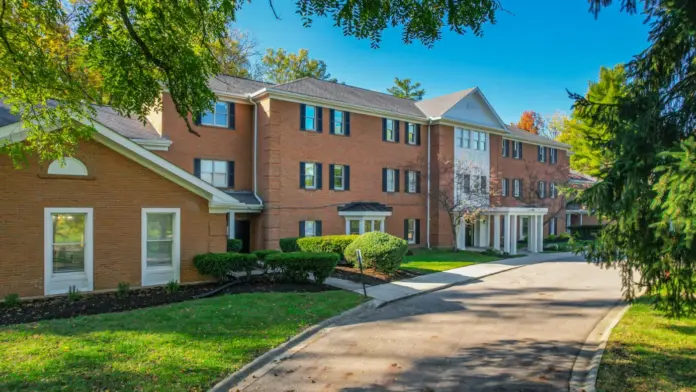
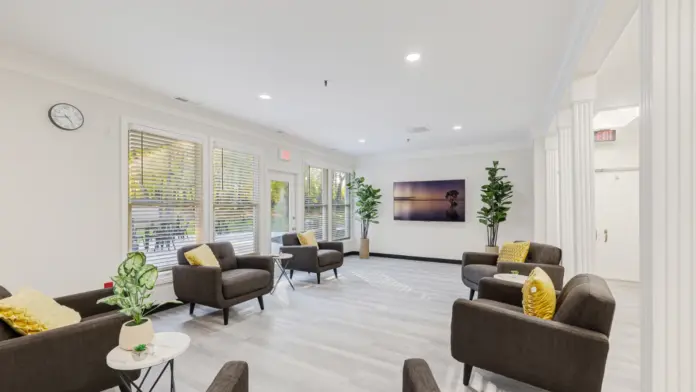
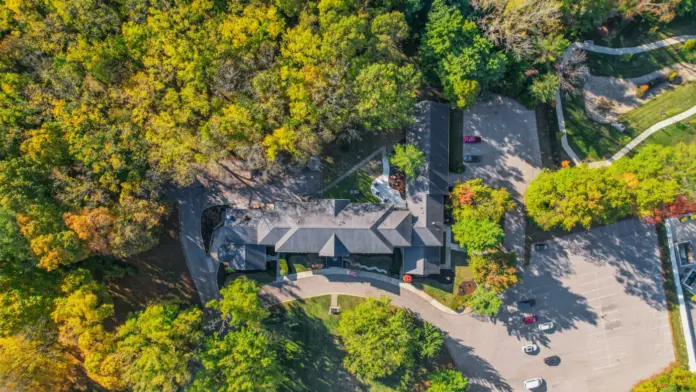
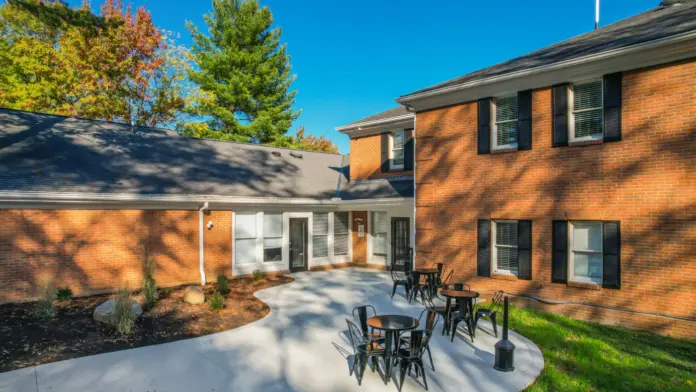
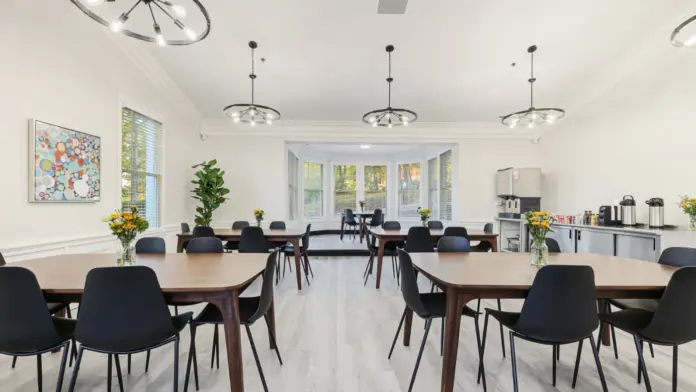
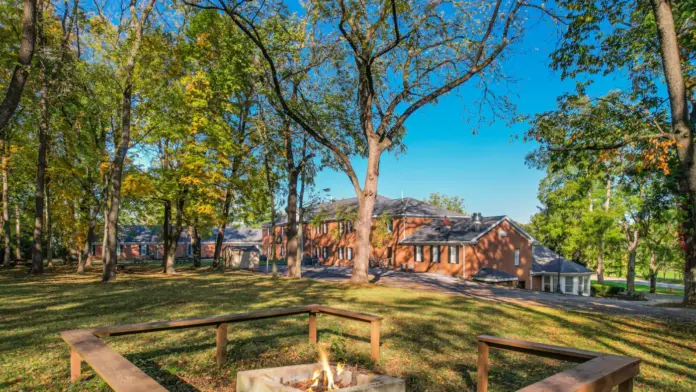
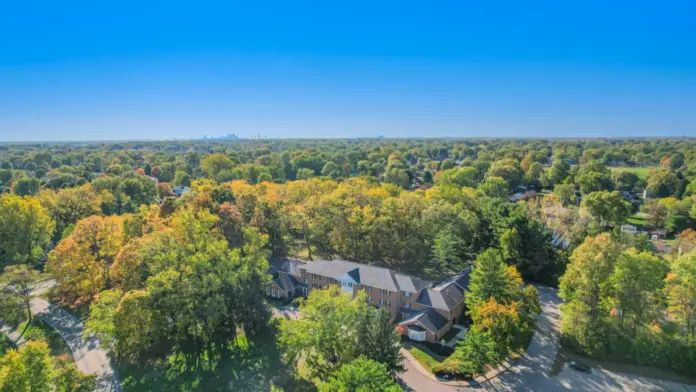
Across the road from the municipal golf course in Gahannah, Ohio, you’ll find the beautiful campus belonging to ReCreate Behavioral Health of Ohio. Here, they offer a full continuum of treatments and services that can help you break free from substance and alcohol addictions. Their treatment options are available to men and women aged 18 and older and are designed to comprehensively address addictive behaviors as well as any underlying or contributing mental health conditions.
Inpatient Detox in a Serene Setting
Detoxification is the first, often challenging, step on the recovery journey during which many people need assistance and care to help keep them safe while their bodies get rid of harmful substances. ReCreate offers a detox treatment via medical supervision and certain medications to help keep you safe during this period. Their detox program includes further addiction education and an opportunity to help you plan your next steps.
Holistic Inpatient Treatment
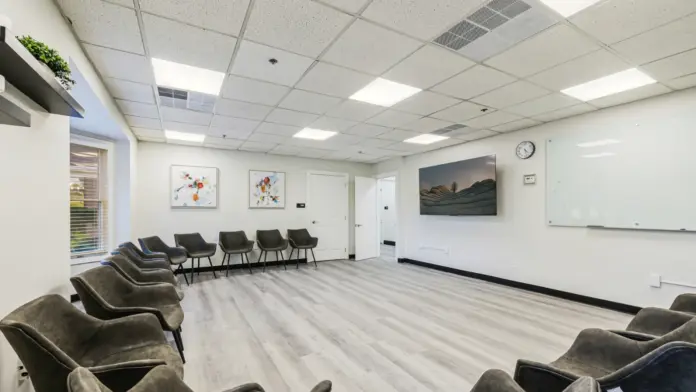
After detoxing, it’s common for the next step to be inpatient or residential treatment, which ReCreate offers at this facility. Their residential treatment comprises therapy and therapeutic activities such as art therapy and cognitive exercises. They also offer 24 hour supervision and can provide you with medication assisted treatment (MAT) if you need it.
Flexible Outpatient Services In an Idyllic Neighborhood
ReCreate also hosts an intensive outpatient program (IOP) as well as standard outpatient counseling and therapy sessions. Their primary goal with these programs is to provide you with continued support and treatment to help you maintain sobriety after leaving a residential or alternatively intensive treatment program. While pursuing this goal, they also place a strong emphasis on helping you develop more and more independence as well as deeper relationships with your family, friends, or peers.
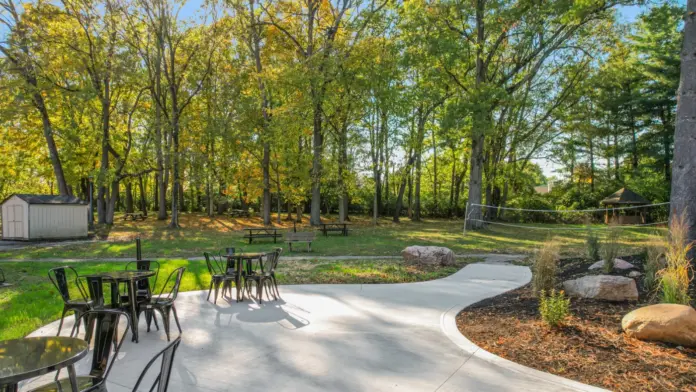
Their services are incredibly well rated, with one recent reviewer describing the facility as “a gem” and the services as “thoughtfully designed to support healing.” The suburban setting also puts you close to many restaurants, community resources, and the various trails and creekside parks along Big Walnut Creek.
Latest Reviews
Couldn't have had a better experience here. The staff here are some of the most responsive and genuine people I've ever met in life. They truly care for each individual in the facility. Including myself, even though I've moved on to bigger and better things in life. I will forever take the lessons and wisdom they gave me through out my entire life. I am very grateful for this facility and staff. I couldn't thank them enough.
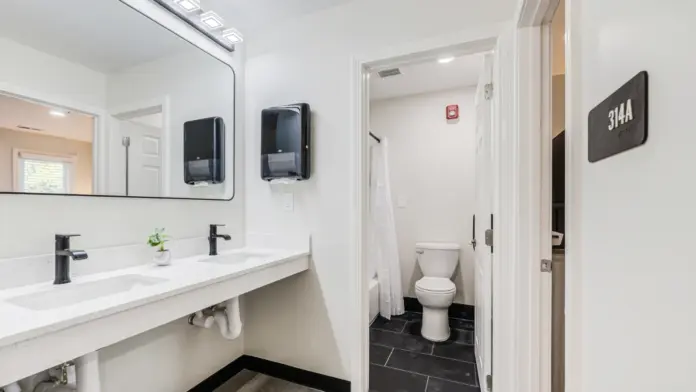
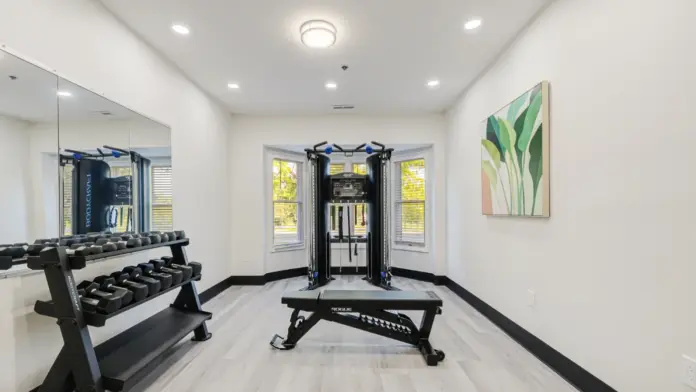
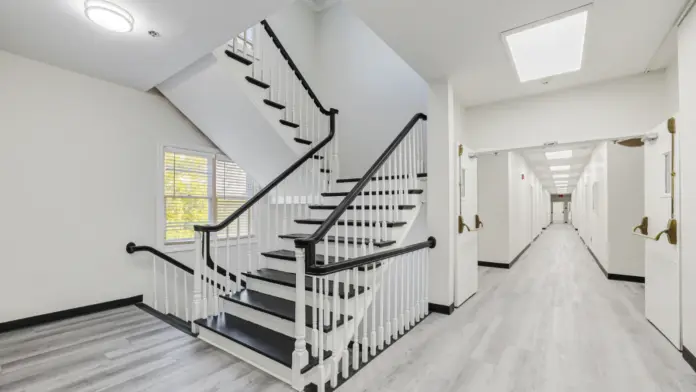
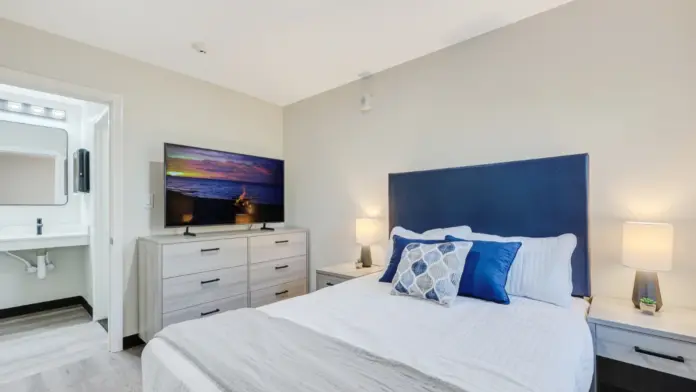
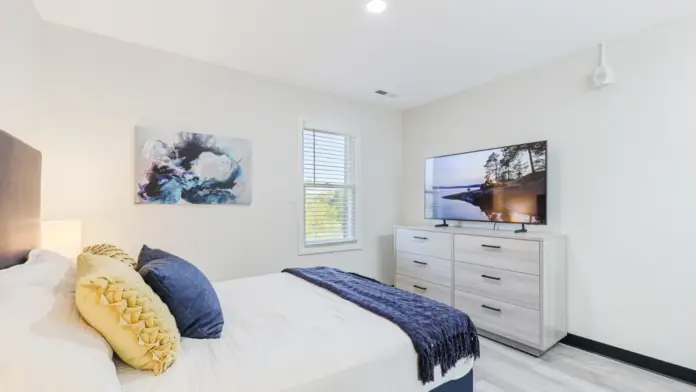
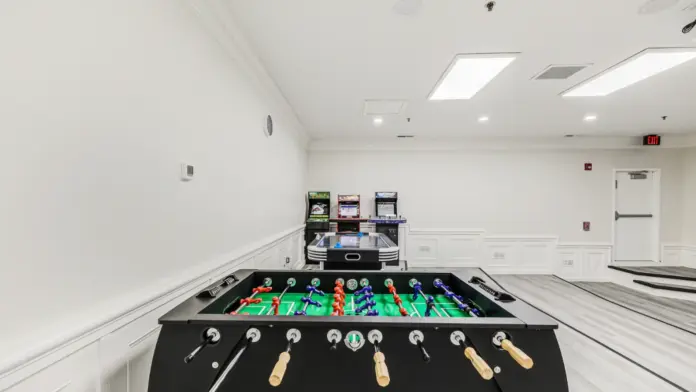
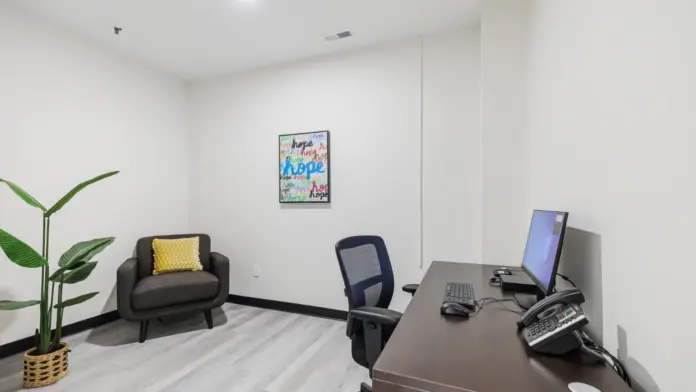
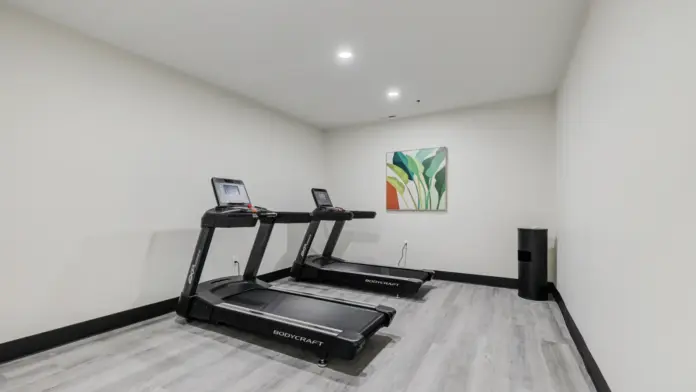
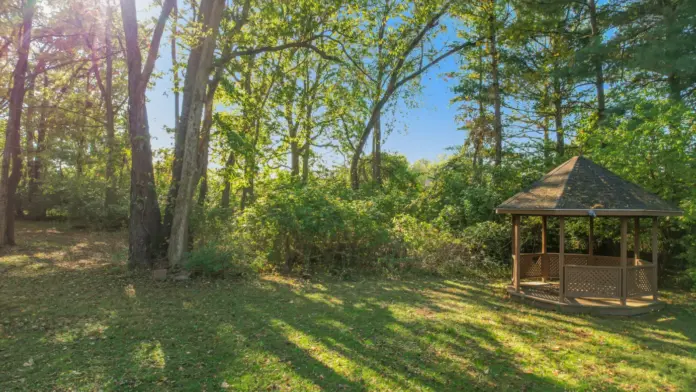
The rooms here have Bamboo beds, very comfortable. There are dressers, closets and some rooms have private bathrooms. There are large flat screens in each room with Hulu, HBO and Netflix for free. There is a workout facility as well as a basketball court and a walking trail. There is also a gazebo in the corner of the back yard, so it's kind of private.
God Bless and best wishes to the ReCreate team.
I spent a few weeks here. I think it was a very structured helpful place. The staff is very caring and relatable. Michael has the best work ethic ever does an awesome job encouraging the residents. Torri was really great also. I would recommend this place as a person that struggles with mental health. Thank you Recreate Ohio
Recreate is truly a top-notch facility. From the accommodations and beautiful property to the incredible staff, the entire experience has been exceptional. The nursing staff is compassionate, attentive, and genuinely cares about the people they are helping.
What really stands out is the administration, case managers, and counselors. They consistently go out of their way to help, listen, advocate for you, and make sure you have the support and resources you need. You can tell that the people who work here take their jobs seriously and genuinely want to see the people in their care succeed.
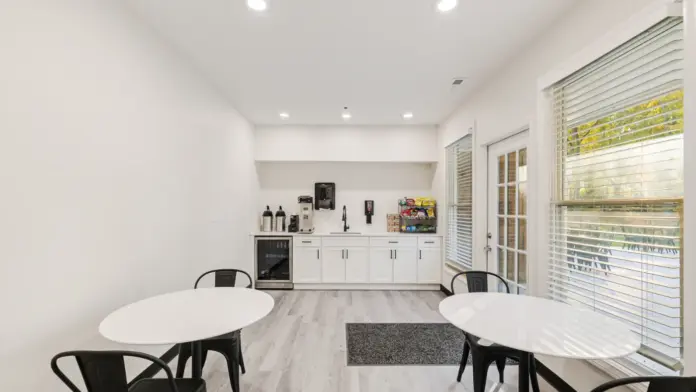
The accommodations are comfortable, the property is well maintained, and the overall environment feels welcoming and supportive. Every department works together to provide a level of care that is hard to find.
I’m extremely grateful for the staff and everything they have done. If you are looking for a quality facility with excellent accommodations, caring professionals, and a team that will truly go the extra mile for you, I highly recommend Recreate. Five stars all the way.

Rehab Score
 Our Methodology
Scoring is assigned by a proprietary system which helps surface key metrics that determine quality. The 10-point scale factors in categories such as operations, customer satisfaction, and trust metrics. Read Full Methodology

8.3 / 10
Gallery

Accepted Insurance
Other Forms of Payment
Private insurance refers to any kind of healthcare coverage that isn't from the state or federal government. This includes individual and family plans offered by an employer or purchased from the Insurance Marketplace. Every plan will have different requirements and out of pocket costs so be sure to get the full details before you start treatment.
Self-pay involves paying for treatment out of your own pocket. You can use savings or credit, get a personal loan, or receive help from family and friends to fund your treatment. If you don't have insurance or your insurance plan doesn't cover a specific program, self-pay can help ensure you still get the care you need.
Sliding scale payments are based on a client's income and family size. The goal is to make treatment affordable to everyone. By taking these factors into account, addiction recovery care providers help ensure that your treatment does not become a financial burden to you or your family, eliminating one barrier to care.
Addiction Treatments
Levels of Care
Outpatient rehabs offer robust wraparound care for clients who are stepping down from intensive inpatient care, with many facilities providing multiple levels of care, including partial hospitalization (PHP), intensive outpatient (IOP), sober living/halfway housing, and standard outpatient programming. Clients may also elect to enroll in outpatient care immediately after completing inpatient detox. Those who are at lower risk of withdrawal complications may also choose to receive ambulatory medical detox from an outpatient facility. Outpatient programs typically involve addiction counseling, recovery education, and/or medication assisted treatment (MAT). Holistic therapies, such as art and music therapy, are commonly available.
Intensive outpatient programs (IOP) are designed for clients who need frequent, high-level care but do not require, or choose to forgo, inpatient treatment. Most intensive outpatient rehabs offer a minimum of nine hours of treatment weekly, though clients may receive up to 20 hours of care as needed. These programs typically combine various treatment modalities, including individual, group, and family counseling, medication assisted treatment (MAT), addiction and recovery education, and evidence-based complementary therapies, such as acupuncture and massage.
Many treatment centers base their recovery models on the 12 step programming standard, which combines intensive peer support with spiritual, psychological, and emotional growth. Participants in 12 step recovery programs are expected to regularly attend group meetings, which are free, anonymous, peer-led, and open to the public. They are also required to select a sponsor to guide them through the recovery journey. These programs deploy spiritual principles to foster participants' self-understanding, forgiveness, acceptance, and accountability.
Medical detox involves clearing your body of drugs and/or alcohol under the 24/7 care of licensed medical professionals. If you've become dependent on alcohol or drugs (like benzodiazepines or opioids), quitting abruptly can have uncomfortable and even dangerous side effects. The purpose of medically assisted detox is to keep you as safe and comfortable as possible during this process. Medications like Suboxone or Vivitrol may be provided if necessary to mitigate any withdrawal symptoms.
Clients who have just completed detox or who are at an increased risk of relapse, such as those experiencing a life crisis, typically enroll in an inpatient rehab. There, they receive housing, meals, and intensive clinical supervision. Inpatient treatment typically involves extensive individual, group, and family therapy. Clients may also participate in life skills training to support their long-term sobriety. Integrative rehab centers offer a variety of evidence-based holistic therapies, such as meditation or equine therapy.
Designed for individuals with moderate to severe addictions, a partial hospitalization program (PHP) provides a more intensive form of outpatient therapy. PHP treatment can serve as an alternative to inpatient hospitalization or as a step-down option after being discharged from a hospital or residential program. A partial hospitalization program typically requires a minimum of 20 hours weekly for an average of 90 days. Depending on your care plan, PHPs can include relapse prevention, medication management, and behavioral therapy services.
Rehab aftercare programs are designed to ensure clients receive continuing care while in the maintenance phase of recovery. Some clients may be in outpatient treatment, which is generally considered to be an element of drug rehab aftercare. The specific services provided in these programs are often determined by the client's case manager and care team in consultation with the client. Common services include peer coaching, career counseling, and 12 step program induction.
Treatments
An alcohol use disorder (AUD), also commonly called alcoholism, can range from mild to severe. It involves compulsive consumption of alcohol and maladaptive patterns of drinking that lead to negative physical, social, and relational consequences. Diverse treatment programs are available for people with AUD. Mutual-support groups, medications, and behavioral treatments are provided through alcohol rehab in Ohio. If co-occurring disorders are present, it is important to receive treatment for both disorders.
Drug rehab in Ohio provides comprehensive treatment to address the physical and psychological needs of those struggling with substance use disorders. This may involve inpatient and/or outpatient care.
 Mental Health And Substance Abuse
 Opioid Addiction
Ohio's substance abuse treatment programs can support individuals struggling with drug and alcohol use. Typically available on an outpatient or inpatient basis, these programs employ evidence-based therapies such as cognitive-behavioral therapy (CBT), dialectical behavior therapy (DBT), and holistic approaches to provide effective addiction treatment. This comprehensive approach ensures long-term sobriety, improved mental health, and coping skills to overcome risk of relapse.
In Ohio, dual-diagnosis addiction treatment programs provide specialized care for individuals with co-occurring substance use disorders and mental health conditions. These programs offer outpatient, residential drug and alcohol rehab, and intensive outpatient options. Treatment usually includes a thorough mental health assessment, tailored treatment plan, various types of therapy, and education to equip you with the tools to achieve and maintain your sobriety.
Programs
Adult rehab programs include therapies tailored to each client's specific needs, goals, and recovery progress. They are tailored to the specific challenges adult clients may face, including family and work pressures and commitments. From inpatient and residential treatment to various levels of outpatient services, there are many options available. Some facilities also help adults work through co-occurring conditions, like anxiety, that can accompany addiction.
Young adulthood can be an exciting, yet difficult, time of transition. Individuals in their late teens to mid-20s face unique stressors related to school, jobs, families, and social circles, which can lead to a rise in substance use. Rehab centers with dedicated young adult programs will include activities and amenities that cater to this age group, with an emphasis on specialized counseling, peer socialization, and ongoing aftercare.
Recovery is most successful when clients feel accepted and validated by their peers and treatment providers. Facilities that offer LGBTQ-inclusive programming are committed to creating a safe space where everyone can grow and recover without fear of judgment or discrimination. They will have dedicated policies in place to create a safe and supportive environment that fosters free expression.
Clinical Services
Individual therapy for drug and alcohol addiction treatment gives you a safe space to discuss your emotional, mental, and physical challenges. Your therapist will guide and support you as you collaborate to develop personalized strategies to manage your stress and navigate the challenges of your recovery.
Cognitive behavioral therapy in Ohio may occur in individual, group, or family sessions. It involves focusing on specific thought and behavior problems. Participants learn coping techniques and are asked to practice them as homework between sessions.
 Equine Therapy
Family therapy offers a group time to collectively make an effort to understand and combat the issues and challenges associated with addiction. Therapists work with family members to establish healthy boundaries between each other and their loved one who is addicted, improve emotional support systems, and work together toward a sustained long term recovery.
The main goals of dialectical behavior therapy are to teach you how to regulate your emotions, develop positive ways to cope with stress, improve your relationships, and live in the moment. This therapy lasts about six months and involves weekly individual and group sessions.
Therapists who apply motivational interviewing in Ohio don't try to confront clients or force advice onto them. Instead, they listen and come alongside clients to help them explore why and how they might decide to make changes for themselves.
Participants of group therapy sessions typically learn coping skills, communication techniques, and relapse prevention strategies. This unique set of skills helps you to navigate the challenges you find in the community and supports your long term sobriety.
Amenities
-
 Art Activities
 -
 Meditation Room
 -
 Music Room
 -
 Recreation Room
 -
 Yoga Studio
 -
 Gym
Gym -
 Private Rooms
 -
 Residential Setting
Accreditations

The Joint Commission, formerly known as JCAHO, is a nonprofit organization that accredits rehab organizations and programs. Founded in 1951, the Joint Commision's mission is to improve the quality of patient care and demonstrating the quality of patient care.
Joint Commission Accreditation: Yes

LegitScript has reviewed ReCreate Behavioral Health of Ohio as part of their certification program, and has determined that it meets the LegitScript standards for legality, safety and transparency.
LegitScript verified in

State Licenses are permits issued by government agencies that allow rehab organizations to conduct business legally within a certain geographical area. Typically, the kind of program a rehab facility offers, along with its physical location, determines which licenses are required to operate legally.
State License: Ohio
Rehab.com regularly reviews this listing for accuracy but changes may occur between updates. For the most up-to-date information, please contact ReCreate Behavioral Health of Ohio.
Contact Information

349 Olde Ridenour Rd
Gahanna, OH 43230
Get Help Now - 614-758-3634
Sponsored Helpline
Sponsored Helpline



