















































































































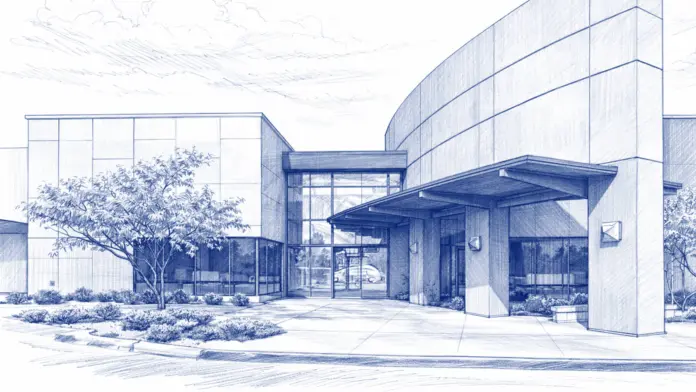
About Restored Hope Recovery
Latest Reviews


Thank you for taking the time to leave your feedback. We strive to provide a supportive and safe environment for everyone in our community.
Please note that, Google's review policies discourage reviews from people with no legitimate experience as well as Google's policy states that contributions must be based on real experiences and information.
Our facility operates in accordance with local ordinances and we do not designate parking areas. We encourage all neighbors to communicate directly and politely with us regarding any concerns, as we believe in fostering a positive relationship. We always aim for resolutions when issues arise and appreciate open dialogue.
We genuinely value community interactions and are committed to being good neighbors. If there's anything else you'd like to discuss, please feel free to reach out directly. Your input is important to us, and we hope to turn any negative experiences into positive ones in the future.
Thank you for your understanding.
- Restored Hope Recovery

Thank you so much for your heartfelt review! We are thrilled to hear that your client had a positive experience with us at Restored Hope Recovery. Our mission is to ensure that individuals seeking help receive the care and support they need, and it’s rewarding to know that we could assist in making the process smooth and effective.
Your kind words about our team’s dedication and compassion truly mean a lot to us. We’re grateful for your partnership and trust in referring clients to our facility. It’s wonderful to hear that your client is doing great after completing the program!
We look forward to continuing to work together to support those in need of substance abuse treatment. Thank you again for your support and for recommending us!
Best regards,
The Restored Hope Recovery Team

Rehab Score
 Our Methodology


Location
Accepted Insurance

Other Forms of Payment
Private insurance refers to any kind of healthcare coverage that isn't from the state or federal government. This includes individual and family plans offered by an employer or purchased from the Insurance Marketplace. Every plan will have different requirements and out of pocket costs so be sure to get the full details before you start treatment.
Self-pay involves paying for treatment out of your own pocket. You can use savings or credit, get a personal loan, or receive help from family and friends to fund your treatment. If you don't have insurance or your insurance plan doesn't cover a specific program, self-pay can help ensure you still get the care you need.
Addiction Treatments
Levels of Care
Inpatient rehab is designed primarily for persons in early recovery and those who are exiting detox programs. It's ideal for clients in crisis or at an elevated risk of relapse. Inpatient treatment centers provide housing and meals, allowing clients to focus on their recovery away from distractions and addiction triggers. Clients engage in intensive psychotherapy, and many inpatient programs feature recovery-focused life skills training and/or complementary therapies like meditation, creative arts therapy, and other holistic treatments.
Treatments
Alcohol use disorder (AUD), also referred to as alcoholism and alcohol addiction, is a chronic condition that involves craving alcohol and an inability to control drinking. A person with AUD must drink greater and greater amounts of alcohol to achieve the same effects and experiences withdrawal symptoms if they stop drinking alcohol. Several evidence-based methods are available to treat AUD through alcohol rehab in Arizona. This treatment can occur on an outpatient or inpatient basis.
Drug rehab in Arizona is the process of treating individuals who are dependent on a particular addictive drug. Because addiction is complex, this treatment typically includes a variety of interventions that address the many physical and emotional issues involved.
 Opioid Addiction
Arizona's substance abuse treatment centers can provide tailored treatment for individuals with substance use disorders and mental health conditions. Treatment programs may include medically assisted detox, 12-Step recovery, intensive outpatient programs, and aftercare support. Addiction experts employ evidence-based therapies like cognitive behavioral therapy (CBT), dialectical behavioral therapy (DBT), and talk therapy to uncover and reframe unhelpful patterns. By graduation, you'll have developed new coping strategies, learned new stress management techniques, and have the capability of sustaining your recovery.
Dual-diagnosis addiction treatment in Arizona provides integrated care for individuals with co-occurring substance use disorders and mental health conditions. Services may include medically assisted detox, 12-Step recovery, intensive outpatient programs, and aftercare support. Addiction experts use evidence-based therapies, like cognitive behavioral therapy, or dialectical behavioral therapy, and trauma-focused therapy, to simultaneously address substance use and mental health disorders. This comprehensive approach to treatment helps to ensure sustained recovery.
Treatment for addiction includes mental health services that are provided while during your stay at the facility. This may be a hospital, clinic, or a luxury treatment center setting. You receive 24-hour support and monitoring by mental health counselors and clinical staff. Most inpatient programs last 30 days, but some can last for two months or longer. Mental health is addressed during treatment via group and individual counseling, addiction education programming, and often recreational activities.
Programs
Men face specific challenges and concerns when seeking addiction treatment. Gender-specific recovery programs help them tackle these issues head-on in an environment that's focused, targeted, and distraction-free. It also gives them the opportunity to connect with and learn from other men who have been through a similar journey and can offer support for the next step.
Rehabs for women provide a safe, nurturing space for female clients to heal. These treatment programs consider the specific obstacles that women can face during recovery and place a special emphasis on mental, social, physical, and reproductive health. They explore how each woman's experience has shaped the trajectory of their substance use, addressing issues such as sexual abuse and past trauma.
Clinical Services
Also known as CBT, cognitive behavioral therapy in Arizona is one of the most common types of psychotherapy. It offers a structured method of counseling that effectively treats substance use disorder and dual diagnosis disorders.
Dialectical behavior therapy in Arizona focuses on acceptance of your reality and behaviors while also attempting to make changes in unhealthy behaviors. It has been shown to be effective for the treatment of anxiety, depression, PTSD, and substance use disorder.
The goal of motivational interviewing in Arizona is to enhance your confidence in your ability to make changes in your life. It encourages you to commit to change and plan for the process of making those changes that will allow you to reach your goals.
In Arizona, group therapy helps promote accountability and motivation for men and women who want to stay committed to addiction recovery. It fosters a sense of community where you can share your progress and learn new coping strategies from your peers.
Amenities
-
 Residential Setting
Accreditations

The Joint Commission, formerly known as JCAHO, is a nonprofit organization that accredits rehab organizations and programs. Founded in 1951, the Joint Commision's mission is to improve the quality of patient care and demonstrating the quality of patient care.
Joint Commission Accreditation: Yes
Contact Information


11354 E Covina St, Mesa, AZ 85207
Sponsored Helpline
