






























































































They would be able to laugh at you instead of helping you. What a terrible place, they should forbid them to get into people's lives
About Root Center for Advanced Recovery – Willimantic Clinic
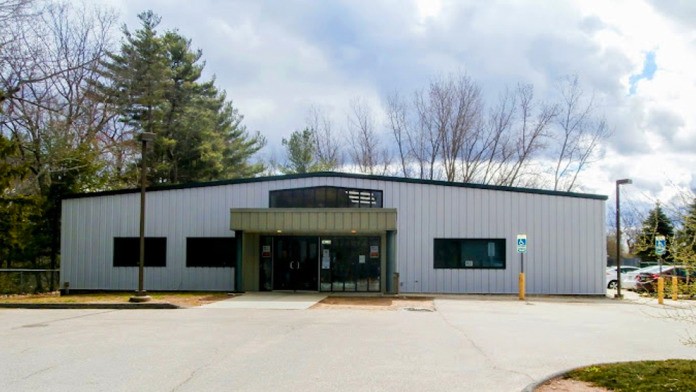
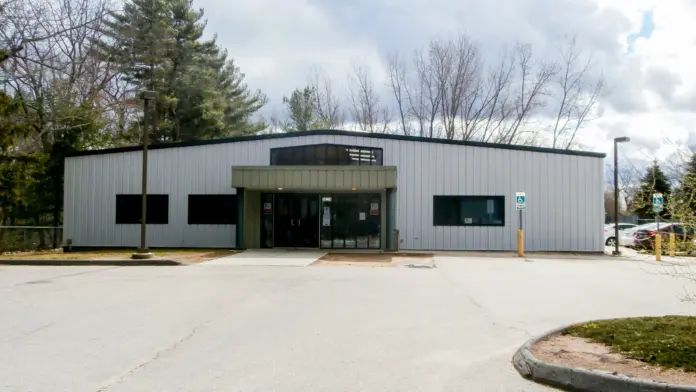
Root Center for Advanced Recovery Willimantic Clinic is a nonprofit substance use treatment program in Willimantic, Connecticut, offering medication assisted treatment and outpatient behavioral healthcare for adults and adolescents.
Located at 54 56 Boston Post Road, the clinic provides individual therapy, group therapy, intensive outpatient programming, medication management and family therapy.
Operating in the community since 1987 and serving over 500 patients daily, Root Center emphasizes whole person, compassionate, evidence based care.
MAT for Opioid Use Disorder
Care at Root Center centers on medication assisted treatment for opioid use disorder, with multiple medication options including buprenorphine, naltrexone and methadone.
Within the broader network, structured levels of care include a Partial Hospitalization Program/Adult Day Treatment and an Intensive Outpatient Program to match each client’s needs.
Clients can expect evidence based psychotherapy paired with medication management, along with individual, group and family counseling.
Root Center also offers teen specific services, gambling addiction treatment and whole person support addressing medical, financial, spiritual and social factors.
Quick Facts About Root Center Willimantic
- Location: Boston Post Road in Willimantic, Connecticut
- Levels of care: Medication assisted treatment, IOP, PHP/Adult Day Treatment, and outpatient therapy
- Who they treat: Adults and adolescents, including teen MAT services
- Approach: Evidence based, whole person care with family involvement and community collaboration
- Payment options: Accepts Medicaid, private insurance and self pay
- Specialties: Opioid use disorder, mental health treatment and gambling addiction
Getting Started
To begin treatment at Root Center in Willimantic, Connecticut, prospective clients can complete an assessment to determine the right level of care.
The admissions team can explain available programs, medication options and payment or insurance details.
Latest Reviews
Great Place and friendly staff.Counsler Kelly is always available and extremely helpful !
Response from the owner1 week ago
Thanks for your 5-star review! We are so happy you’re having a great experience!
You definitely will get out what you put in while visiting this establishment.
Response from the owner1 week ago
Thanks for the kind words. We are glad to hear you’ve had a positive experience!
Totally saved my life and got me back on track to livea happy and healthy life!! I was very skeptical at first (many reasons).
Response from the owner1 week ago
Thank you for your review! We're so thrilled to hear you're doing well, and appreciate you taking the time to share your experience. Our Willimantic Staff do amazing work! 
Rehab Score
 Our Methodology
Scoring is assigned by a proprietary system which helps surface key metrics that determine quality. The 10-point scale factors in categories such as operations, customer satisfaction, and trust metrics. Read Full Methodology

6.5 / 10
Gallery
Other Forms of Payment
Medicaid is a state based program that helps lower-income individuals and families pay for healthcare. Medicaid covers addiction treatment so those enrolled can use their coverage to pay for rehab. When a program accepts Medicaid the client often pays very little or nothing out of their own pocket.
Private insurance refers to any kind of healthcare coverage that isn't from the state or federal government. This includes individual and family plans offered by an employer or purchased from the Insurance Marketplace. Every plan will have different requirements and out of pocket costs so be sure to get the full details before you start treatment.
Self-pay involves paying for treatment out of your own pocket. You can use savings or credit, get a personal loan, or receive help from family and friends to fund your treatment. If you don't have insurance or your insurance plan doesn't cover a specific program, self-pay can help ensure you still get the care you need.
Addiction Treatments
Levels of Care
Outpatient Programs (OP) are for those seeking mental rehab or drug rehab, but who also stay at home every night. The main difference between outpatient treatment (OP) and intensive outpatient treatment (IOP) lies in the amount of hours the patient spends at the facility. Most of the time an outpatient program is designed for someone who has completed an inpatient stay and is looking to continue their growth in recovery. Outpatient is not meant to be the starting point, it is commonly referred to as aftercare.
Intensive outpatient programs (IOP) offer robust support for clients who are at an elevated risk of relapse, including those in early recovery and those in crisis. Clients in intensive outpatient treatment typically receive between nine and 20 hours of service per week, with the intensity and frequency of treatment decreasing as clients stabilize. The services provided in these programs vary, but generally include addiction counseling, recovery-focused life skills training, medication assisted treatment (MAT), and holistic therapies.
Rehab aftercare programs promote clients' long-term sobriety through a suite of services designed to provide a complete continuum of care. Drug rehab aftercare typically begins as soon as patients exit inpatient care and often includes formal outpatient treatment. Clients who no longer require outpatient counseling, education, or other treatment generally continue to receive rehab aftercare services, such as peer coaching, career counseling, or 12 step program induction. Clients typically develop their program in collaboration with their case manager.
Drug and alcohol addiction often takes a heavy toll on one's body. Over time, a physical dependence can develop, meaning the body physiologically needs the substance to function. Detox is the process of removing drugs and/or alcohol from the body, a process that can be lethal if mismanaged. Medical detox is done by licensed medical professionals who monitor vital signs and keep you safe, healthy, and as comfortable as possible as you go through detox and withdrawal.
Treatments
The goal of treatment for alcoholism is abstinence. Those with poor social support, poor motivation, or psychiatric disorders tend to relapse within a few years of treatment. For these people, success is measured by longer periods of abstinence, reduced use of alcohol, better health, and improved social functioning. Recovery and Maintenance are usually based on 12 step programs and AA meetings.
Drug rehab in Connecticut provides the professional support that is often necessary to break free from drug dependency. With proper treatment, individuals can make changes that restore balance and health to their lives and achieve long-term recovery.
Many of those suffering from addiction also suffer from mental or emotional illnesses like schizophrenia, bipolar disorder, depression, or anxiety disorders. Rehab and other substance abuse facilities treating those with a dual diagnosis or co-occurring disorder administer psychiatric treatment to address the person's mental health issue in addition to drug and alcohol rehabilitation.
Opioid rehabs specialize in supporting those recovering from opioid addiction. They treat those suffering from addiction to illegal opioids like heroin, as well as prescription drugs like oxycodone. These centers typically combine both physical as well as mental and emotional support to help stop addiction. Physical support often includes medical detox and subsequent medical support (including medication), and mental support includes in-depth therapy to address the underlying causes of addiction.
Substance rehabs focus on helping individuals recover from substance abuse, including alcohol and drug addiction (both illegal and prescription drugs). They often include the opportunity to engage in both individual as well as group therapy.
Programs
Adult rehab programs include therapies tailored to each client's specific needs, goals, and recovery progress. They are tailored to the specific challenges adult clients may face, including family and work pressures and commitments. From inpatient and residential treatment to various levels of outpatient services, there are many options available. Some facilities also help adults work through co-occurring conditions, like anxiety, that can accompany addiction.
Young adulthood can be an exciting, yet difficult, time of transition. Individuals in their late teens to mid-20s face unique stressors related to school, jobs, families, and social circles, which can lead to a rise in substance use. Rehab centers with dedicated young adult programs will include activities and amenities that cater to this age group, with an emphasis on specialized counseling, peer socialization, and ongoing aftercare.
Recovery is most successful when clients feel accepted and validated by their peers and treatment providers. Facilities that offer LGBTQ-inclusive programming are committed to creating a safe space where everyone can grow and recover without fear of judgment or discrimination. They will have dedicated policies in place to create a safe and supportive environment that fosters free expression.
Clinical Services
Group therapy is any therapeutic work that happens in a group (not one-on-one). There are a number of different group therapy modalities, including support groups, experiential therapy, psycho-education, and more. Group therapy involves treatment as well as processing interaction between group members.
Individual therapy uses evidence based treatment modalities to focus on building a strong therapeutic alliance between yourself and your therapist. This crucial relationship fosters trust that enables you to discuss your struggles and work together to develop effective strategies to overcome addiction.
Motivational interviewing in Connecticut is a method of communication designed to stimulate motivation and commitment to change. It encourages clients to move toward goals by exploring their own motivations for change rather than coercing them to change through advice, warnings, or judgment.
Family therapy sessions work to strengthen the family unit by addressing addiction related conflicts and fostering support between family members. Your therapist guides family members in developing effective communication strategies and creating an environment that aids in your loved one's recovery.
During rehab treatment, you and your therapist will identify any life skills that you need to develop. Your treatment will include methods to strengthen those skills so you can have a successful long term recovery. These skills include thinking skills, self awareness, and interpersonal skills.
Staff & Accreditations
Staff
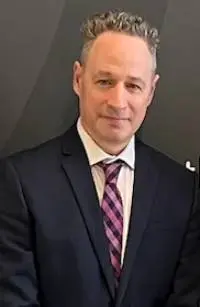
Steven Zuckerman
President & CEO
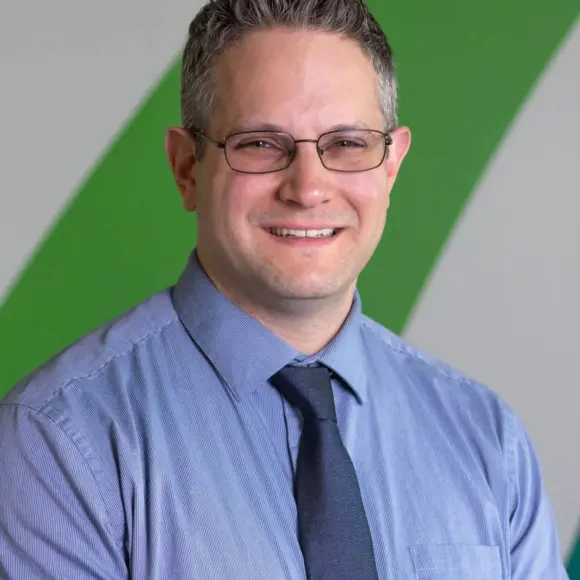
Ben Metcalf
Chief Operations Officer
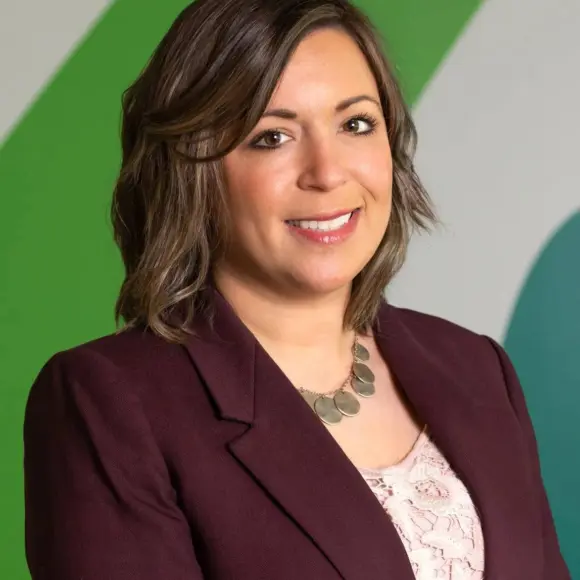
Jennifer Succi
Chief Financial Officer

Margaux Farrell
Chief of Staff
Accreditations

The Substance Abuse and Mental Health Services Administration (SAMHSA) is a branch of the U.S. Department of Health and Human Services. Established in 1992 by congress, SAMHSA's mission is to reduce the impact of substance abuse and mental illness on American's communities.
SAMHSA Listed: Yes
Rehab.com regularly reviews this listing for accuracy but changes may occur between updates. For the most up-to-date information, please contact Root Center for Advanced Recovery – Willimantic Clinic.
Contact Information

54-56 Boston Post Road
Windham CT, 06226
Get Help Now - 860-264-6018
Sponsored Helpline
Sponsored Helpline


