I would like to say thanks to all the members of the staff for all the attention and love that they gave me. Thanks to the support received in this place I was able to heal.


























































































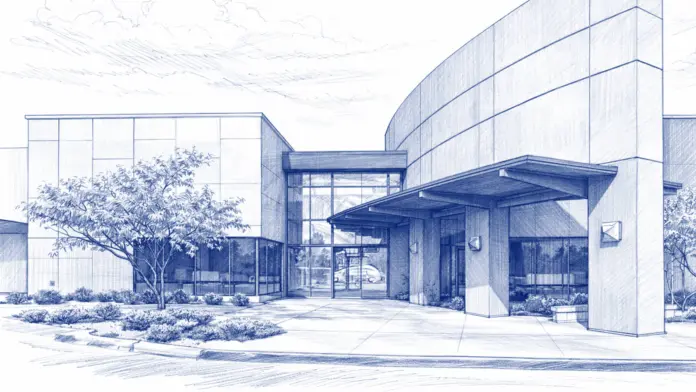
Saint Joseph’s Home for Children is a residential behavioral health program in Minneapolis, Minnesota, serving children and adolescents with complex mental health and cooccurring needs. This can include substance use.
The program offers individual psychotherapy, group therapy, family therapy, case management, crisis intervention, and psychotropic medication support for youth.
As part of Catholic Charities Twin Cities, the home is grounded in a mission to support young people through compassionate, whole-person care that nurtures healing and growth.
Saint Joseph’s Home for Children provides a residential treatment setting designed for children and teens navigating serious emotional and behavioral health concerns.
The program brings together clinical therapy, psychosocial rehabilitation, and family psychoeducation to support young clients and their loved ones.
Treatment incorporates cognitive behavioral therapy and trauma focused approaches, helping youth build coping skills, process difficult experiences and strengthen daily functioning.
Reviews from former residents highlight positive experiences, with one describing being taught lasting life skills and feeling unconditionally supported throughout their stay.
The program is well suited to adolescents dealing with PTSD, trauma histories, and co-occurring mental health conditions, and it welcomes LGBTQ+ youth. Services such as crisis intervention and case management wrap around clinical care to help stabilize young people and connect them with longer-term supports.
Saint Joseph’s Home for Children is located in Minneapolis and operates as part of Catholic Charities Twin Cities in a residential setting.
Accepted payment sources include Medicaid, state financed insurance, private health insurance or juvenile justice funding.

 Our Methodology


Medicaid is a state based program that helps lower-income individuals and families pay for healthcare. Medicaid covers addiction treatment so those enrolled can use their coverage to pay for rehab. When a program accepts Medicaid the client often pays very little or nothing out of their own pocket.
Private insurance refers to any kind of healthcare coverage that isn't from the state or federal government. This includes individual and family plans offered by an employer or purchased from the Insurance Marketplace. Every plan will have different requirements and out of pocket costs so be sure to get the full details before you start treatment.
Self-pay involves paying for treatment out of your own pocket. You can use savings or credit, get a personal loan, or receive help from family and friends to fund your treatment. If you don't have insurance or your insurance plan doesn't cover a specific program, self-pay can help ensure you still get the care you need.
Financial aid can take many forms. Centers may have grants or scholarships available to clients who meet eligibility requirements. Programs that receive SAMHSA grants may have financial aid available for those who need treatment as well. Grants and scholarships can help you pai for treatment without having to repay.
Residential treatment programs are those that offer housing and meals in addition to substance abuse treatment. Rehab facilities that offer residential treatment allow patients to focus solely on recovery, in an environment totally separate from their lives. Some rehab centers specialize in short-term residential treatment (a few days to a week or two), while others solely provide treatment on a long-term basis (several weeks to months). Some offer both, and tailor treatment to the patient's individual requirements.
Mental health rehabs focus on helping individuals recover from mental illnesses like bipolar disorder, clinical depression, anxiety disorders, schizophrenia, and more. Mental health professionals at these facilities are trained to understand and treat mental health issues, both in individual and group settings.
Recovery is most successful when clients feel accepted and validated by their peers and treatment providers. Facilities that offer LGBTQ-inclusive programming are committed to creating a safe space where everyone can grow and recover without fear of judgment or discrimination. They will have dedicated policies in place to create a safe and supportive environment that fosters free expression.
Cognitive Behavioral Therapy (CBT) is a therapy modality that focuses on the relationship between one's thoughts, feelings, and behaviors. It is used to establish and allow for healthy responses to thoughts and feelings (instead of unhealthy responses, like using drugs or alcohol). CBT has been proven effective for recovering addicts of all kinds, and is used to strengthen a patient's own self-awareness and ability to self-regulate. CBT allows individuals to monitor their own emotional state, become more adept at communicating with others, and manage stress without needing to engage in substance abuse.
Whether a marriage or other committed relationship, an intimate partnership is one of the most important aspects of a person's life. Drug and alcohol addiction affects both members of a couple in deep and meaningful ways, as does rehab and recovery. Couples therapy and other couples-focused treatment programs are significant parts of exploring triggers of addiction, as well as learning how to build healthy patterns to support ongoing sobriety.
Research clearly demonstrates that recovery is far more successful and sustainable when loved ones like family members participate in rehab and substance abuse treatment. Genetic factors may be at play when it comes to drug and alcohol addiction, as well as mental health issues. Family dynamics often play a critical role in addiction triggers, and if properly educated, family members can be a strong source of support when it comes to rehabilitation.
Group therapy is any therapeutic work that happens in a group (not one-on-one). There are a number of different group therapy modalities, including support groups, experiential therapy, psycho-education, and more. Group therapy involves treatment as well as processing interaction between group members.
In individual therapy, a patient meets one-on-one with a trained psychologist or counselor. Therapy is a pivotal part of effective substance abuse treatment, as it often covers root causes of addiction, including challenges faced by the patient in their social, family, and work/school life.
Trauma therapy addresses traumatic incidents from a client's past that are likely affecting their present-day experience. Trauma is often one of the primary triggers and potential causes of addiction, and can stem from child sexual abuse, domestic violence, having a parent with a mental illness, losing one or both parents at a young age, teenage or adult sexual assault, or any number of other factors. The purpose of trauma therapy is to allow a patient to process trauma and move through and past it, with the help of trained and compassionate mental health professionals.
Interim President & CEO, CFO
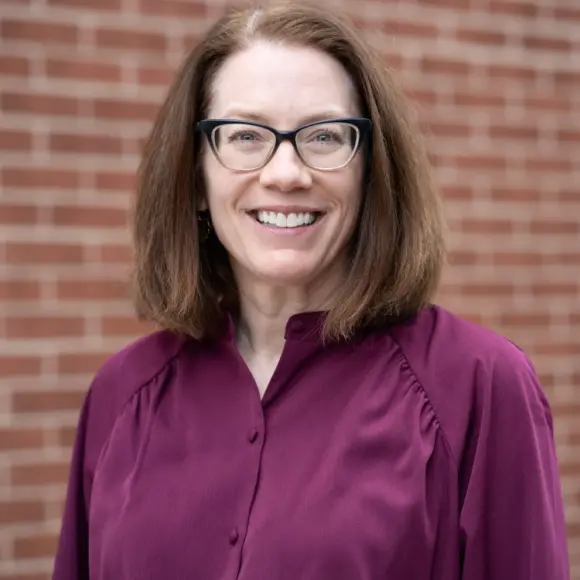
Senior Project Manager for Transformation

Senior VP of Advancement

Division Director of Emergency Services
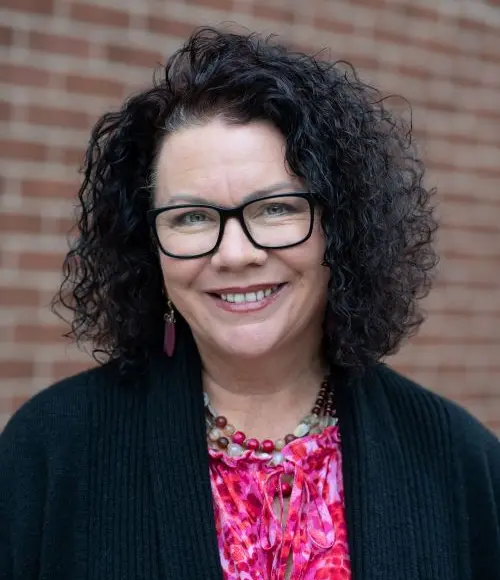
Chief Legal & Compliance Officer
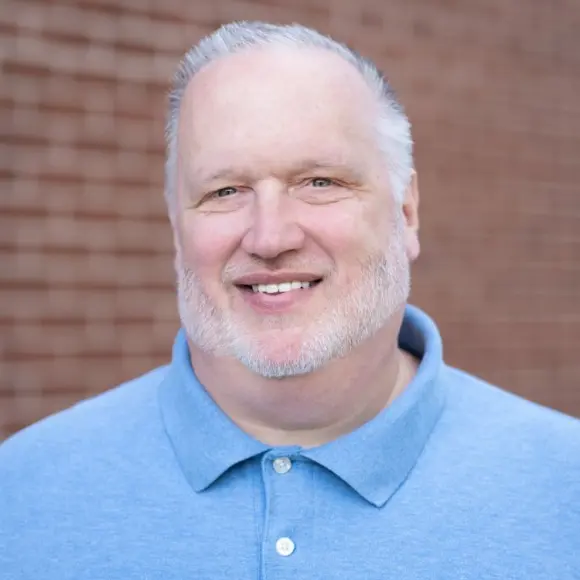
Chief Program Officer
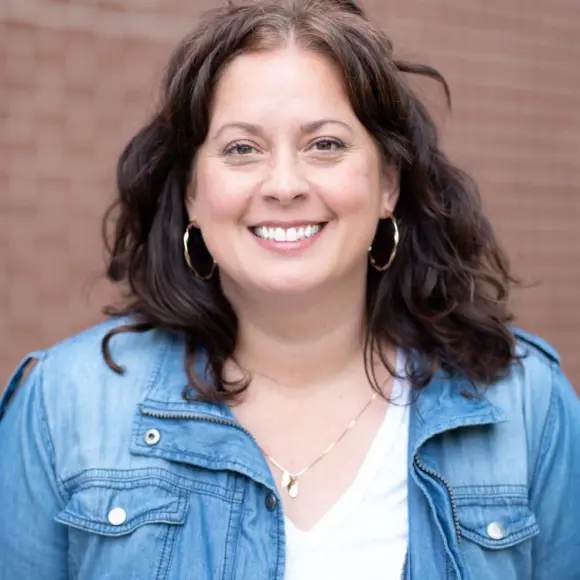
Senior Division Director, Children and Family Services

1121 East 46th street
Minneapolis, MN 55407
Sponsored Helpline
I would like to say thanks to all the members of the staff for all the attention and love that they gave me. Thanks to the support received in this place I was able to heal.


This place took me in when I had no where to go and my mom was no where to be found they took me out of a dark place in my life and helped me find a loving family who took me in their home and welcome me in to their family

King hall and Theresa hall!! Shout out candy and Mr Peña the best chess player ever!!
 Back
Back
Sharing your insights and experiences can help others learn more about this rehab center.