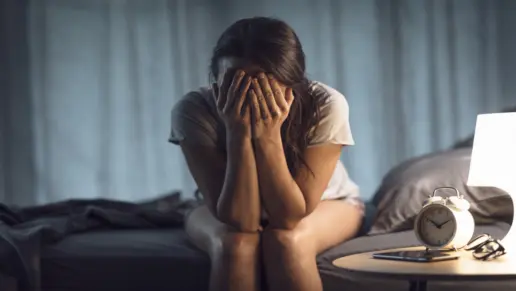
For anyone managing depression alongside substance use, or protecting a hard-won recovery, the season ahead is also a mental health treatment planning window, because low mood and addiction risk tend to travel together.
What Scientists Know About Seasonal Affective Disorder
Seasonal affective disorder, or SAD, typically brings episodes of depression that begin in the fall and ease in the spring or summer.
One trigger is the shift back to standard time, which happened across much of the United States on Sunday. A milder form called subsyndromal SAD is recognized by medical experts, and a summer variety exists, though less is known about it.
The disorder affects many more women than men, according to the National Institutes of Health. Symptoms can resemble major depression and include persistent feelings of hopelessness or pessimism and difficulty concentrating, remembering, or making decisions. A team led by Dr. Norman Rosenthal, then an NIH researcher, first described the condition and coined the term in 1984.
How Blue Light May Drive Winter Depression
No single cause for SAD has been identified, but one line of research focuses on specialized cells in the eye that turn the blue wavelength of light into neural signals affecting mood and alertness. Sunlight contains abundant blue light, which activates the brain’s alertness centers when absorbed by these specialized cells.
Researcher Kathryn Roecklein at the University of Pittsburgh tested people with and without SAD to see how their eyes reacted to blue light. As a group, people with SAD were less sensitive to it, especially during winter months, a finding that points to one possible driver of wintertime depression.
Light Therapy Works When the Light Is Right
Many people with SAD respond to light therapy, said Dr. Paul Desan of Yale University’s Winter Depression Research Clinic in New Haven, Connecticut. The therapy involves exposure to bright light for about half an hour each morning from devices roughly 20 times brighter than regular indoor light.
Yale has tested products and publishes recommendations, and the nonprofit Center for Environmental Therapeutics offers a consumer guide. If a doctor has diagnosed you with SAD, your insurance may cover the cost of a light.
Mental Health Treatment Beyond Light Therapy
Antidepressant medications are a first-line treatment for SAD alongside light therapy. Doctors also recommend keeping a regular sleep schedule and walking outside, even on cloudy days.
Light therapy’s benefits can fade when people stop using it, while cognitive behavioral therapy has shown more durable effects in studies, said Kelly Rohan of the University of Vermont in Burlington.
Working with a therapist can help people take small steps toward enjoyment again. Rohan suggests planning undemanding but pleasant activities, like getting out to see a friend for coffee, to break out of hibernation mode.
Where Seasonal Depression and Addiction Risk Intersect
Depression and substance use disorders frequently co-occur, and each condition can make the other harder to treat. When winter depression sets in, some people reach for alcohol or drugs to take the edge off, a pattern clinicians call self-medication, and one that can restart a substance use problem without anyone naming it.
For someone already in recovery, a depressive episode can erode the sleep, routine, and social connection that protect sobriety.
That overlap is exactly what dual diagnosis treatment exists for. Programs that treat co-occurring disorders screen for both conditions and address them together, rather than treating depression in one office and addiction in another. If winter reliably brings you down, telling a treatment provider about that pattern now, before symptoms peak, gives you more options.
What This Means for Treatment Seekers
If you are researching rehab or mental health care and you know winter hits you hard, ask programs directly how they screen for and treat depression alongside substance use.
Effective, evidence-based treatments for SAD exist, including light therapy, CBT, and medication, and a quality program will build them into a care plan rather than treating your mood as an afterthought.
Exploring Treatment Options
If seasonal depression is complicating your relationship with alcohol or drugs, comparing treatment centers that offer dual diagnosis care is a practical next step.
Look for programs with licensed clinicians, evidence-based therapies like CBT, and clear answers about how they treat co-occurring conditions.
Rehab.com’s directory can help you compare verified treatment centers and find care that fits your needs. Call
800-985-8516
(  Sponsored Helpline )
to get in touch with a specialist today.